|
By: Paul S Cilwa |
Occurred: 3/4/2026 |
|
Page Views: 48 |
| Hashtags: #Science #History #Technology #AtomicTheory #Democritus #Aristotle #ScientificRevolution #NuclearPhysics #ManhattanProject #Hiroshima #NuclearPower #RadiationTherapy #NuclearMedicine #AtomicAge |
| The Atomic Age: How we went from philosophy about the makings of the world, to having the power to unmake it—or save it. |
| Estimated reading time: 17 minute(s) (3846 words) |
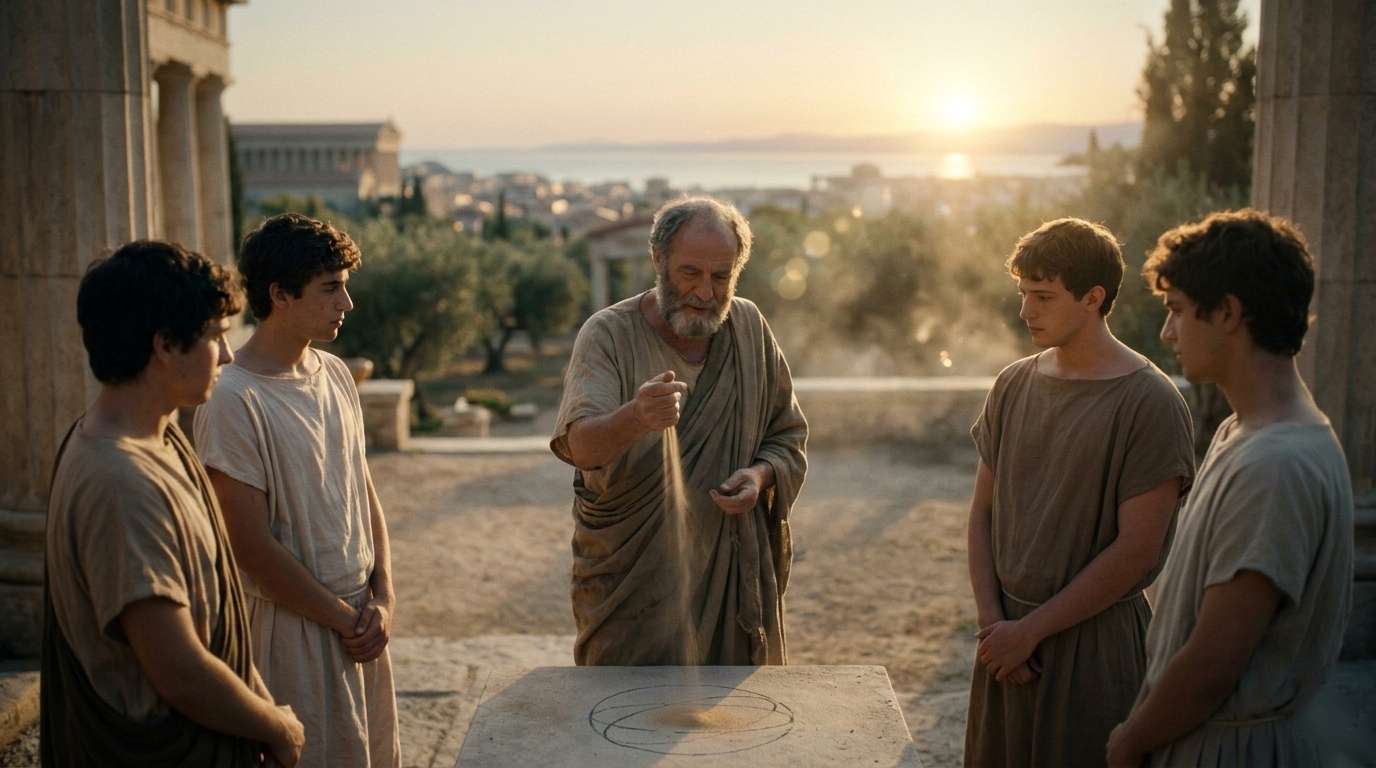
The 5th century BCE was a period when Greek intellectual life was shifting from mythic explanations
of nature to rational inquiry. City-states like Athens, Miletus, and Abdera were vibrant centers of
trade, travel, and debate, and ideas circulated quickly across the Aegean. The earlier Presocratics
had already begun asking what the world was made of—water, air, fire, or some underlying
substance—and philosophers were increasingly willing to challenge traditional cosmologies.
This was also the age of the Sophists, who encouraged argument, skepticism, and the idea that human
reason could uncover the principles of nature. In this environment, speculation about the
fundamental structure of matter was not only possible but fashionable, and competing theories
flourished side by side.
Democritus of Abdera (c. 460–370 BCE) is one of the most elusive figures of antiquity. None of his
original works survive; everything we know comes from later writers, especially Aristotle, who
quoted him in order to refute him. What emerges is the portrait of a wide-ranging
thinker—mathematician, natural philosopher, and observer of human behavior—who traveled
extensively and absorbed ideas from across the Mediterranean. He belonged to a generation that
embraced rational, naturalistic explanations of the world, and he pushed this impulse further than
most. His reputation in antiquity was that of the "laughing philosopher," someone who saw
human folly with clarity and detachment, but he was also regarded as a rigorous thinker whose ideas
were bold enough to unsettle more conservative philosophers.
Remember, in this era, philosophers were the rockstars of their age. People would gather to hear
them expound; they were the public intellectuals who shaped how people understood their world.
Other Philosophers would argue with them, even after they were dead. And if anyone's ideas
became unpopular enough, they could be forced to kill themselves, as happened to Socrates.
Their albums—I mean, their scrolls—might be destroyed, but their influence could still be felt for centuries.
So Democritus's ideas were not just academic; they had real social and political implications.
Aristotle (384–322 BCE) lived a generation after Democritus, in a Greece transformed by the rise of
Macedon and the consolidation of knowledge in institutions like Plato's Academy. He was a
system-builder, committed to organizing all human knowledge—biology, ethics, politics,
physics—into a coherent whole: A Theory of Everything, so to speak.
Unlike the wandering natural philosophers of the previous
century, Aristotle worked within a structured intellectual environment and had access to extensive
observational material, especially in biology. His approach emphasized purpose, form, and the
continuity of nature. He believed that understanding the world required identifying the causes and
functions of things, not reducing them to mechanical interactions. This worldview shaped his
physics and metaphysics, giving him a strong preference for explanations grounded in qualities,
forms, and teleology rather than invisible particles.
Aristotle rejected atomism because it contradicted the core principles of his system: matter, he
argued, is continuous and infinitely divisible; natural processes are
guided by purposes, not random collisions; a vacuum cannot exist.
His famous saying, translated into English as Nature abhors a vacuum,
encapsulates his rejection of the void,
which was essential to Democritus' theory.

Aristotle believed that atomism failed to explain the
persistence of forms, the behavior of substances, and the apparent order of the natural world.
Because Aristotle's works became foundational in Hellenistic, Roman, Islamic, and medieval
Christian scholarship, his authority shaped scientific thought for nearly two millennia. Atomism
survived only in marginal traditions—Epicureanism, Lucretius' poetry—but lacked
institutional support. Not until the 17th century, when experiments by Torricelli, Pascal, and
Boyle demonstrated the existence of the vacuum and the behavior of gases, did atomism regain
credibility. Aristotle's intellectual dominance, combined with the absence of experimental tools to
challenge him, effectively kept atomic theory dormant until the dawn of modern science.
But… Democritus' atomic theory is more often called Epicurean atomic theory.
Why is that?
Well, although Democritus invented atomism, it was Epicurus who preserved, systematized, and transmitted
the theory in a form that survived into later philosophical and scientific traditions. Democritus'
own writings were almost entirely lost, and what we know of his atomism comes mostly through
Aristotle's critiques. Epicurus, however, rebuilt the theory in the 3rd century?BCE, embedding it
within a complete philosophical system—physics, ethics, and epistemology—and founding a
school whose texts and teachings endured for centuries. Because of this continuity, later
generations encountered atomism primarily through Epicurus and his followers rather than through
Democritus directly.
Epicurus adopted the core idea that all matter consists of indivisible bodies
(atomoi) moving in the void, but he reshaped the theory to serve his ethical aims. He emphasized
that atoms are eternal, unchanging, and combine to form all visible objects, a view he laid out
systematically in works such as the Letter to Herodotus. His school treated atomism not as a
speculative cosmology but as the foundation for a worldview that rejected superstition and divine
intervention. This structured, teachable version of atomism—complete with arguments,
definitions, and canonical texts—became the form that later thinkers encountered.

The Roman poet Lucretius then carried Epicurean atomism into the Latin world through
De rerum natura (On the Nature of Things)
ensuring its survival long after most Greek philosophical texts had vanished. Because Lucretius'
poem survived the Middle Ages, Renaissance scholars rediscovered atomism through an Epicurean lens,
not a Democritean one. As a result, when early modern thinkers revived atomistic ideas in the 17th
century, they were drawing on Epicurus' version—complete with its terminology, arguments, and
conceptual structure. This is why the tradition is often labeled Epicurean atomism, even though its
roots lie with Democritus.
The Revival of Atomism in the Scientific Revolution
By the 17th century, Europe had entered a period of intellectual upheaval in which
inherited Aristotelian doctrines were being challenged by new methods of inquiry. The rise of
experimental science, precision instruments, and mathematical description created a climate in
which ancient atomism could be reconsidered on empirical grounds rather than philosophical
speculation. Thinkers such as Pierre Gassendi revived Epicurean atomism explicitly, arguing that
matter must consist of discrete particles moving in empty space. At the same time, the mechanical
philosophy of Descartes and Boyle emphasized matter in motion governed by laws, not purposes. This
shift from teleology to mechanism opened the conceptual space for atoms to re-enter scientific
thought.
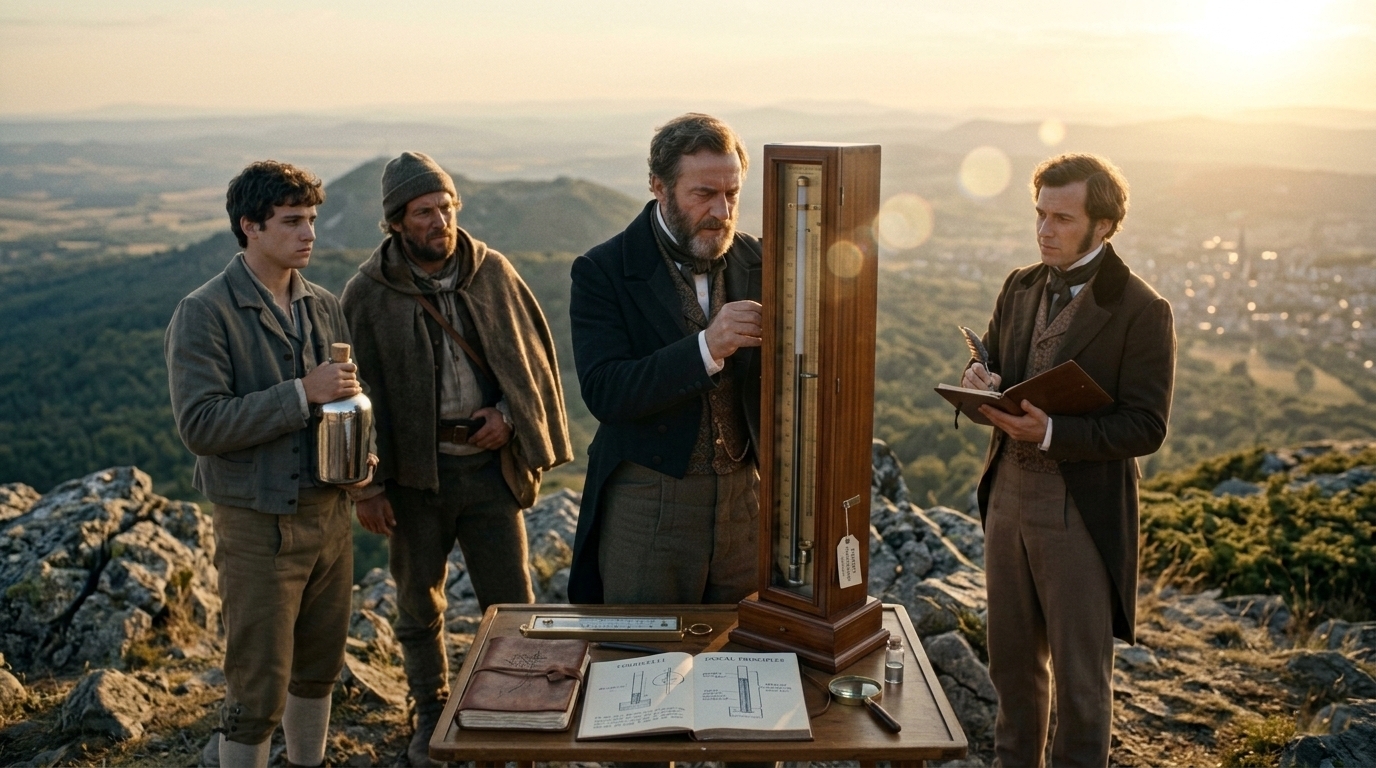
A decisive blow to Aristotle's rejection of the void came from the barometer experiments
of Evangelista Torricelli and Blaise Pascal. Torricelli's mercury column created the first
laboratory vacuum, demonstrating that empty space could exist without violating nature. Pascal's
mountain experiment showed that atmospheric pressure decreases with altitude, proving that air has
weight and that the vacuum above the mercury column was real. These findings dismantled the
Aristotelian claim that nature abhors a vacuum
and provided the physical foundation for a
particulate view of matter. Once the void was experimentally verified, atomism was no longer a
metaphysical curiosity—it became a viable scientific hypothesis.
Robert Boyle's work on
gases further strengthened the case for atoms. His studies of pressure and volume revealed that air
behaves as if composed of discrete particles in motion, and his insistence on experimental rigor
helped establish chemistry as a quantitative science. By the late 1600s, the intellectual climate
had shifted decisively: matter was increasingly understood as particulate, mechanical, and governed
by universal laws. Atomism had returned, not as a philosophical doctrine but as an emerging
scientific framework.
The Chemical Atom and the Birth of Modern Atomic Theory
The 18th and early 19th centuries transformed atomism from a philosophical idea into a
quantitative scientific theory. Antoine Lavoisier's work on combustion and conservation of mass
showed that chemical reactions involved the rearrangement of stable units of matter. Building on
this foundation, John Dalton proposed in 1803 that each chemical element consists of identical
atoms with characteristic masses, and that compounds form when atoms combine in fixed ratios.
Dalton's atomic theory explained the laws of definite and multiple proportions and provided
chemistry with a coherent, predictive structure.
Amedeo Avogadro refined this picture by
distinguishing between atoms and molecules (molecules are made of atoms), allowing chemists to determine relative atomic masses
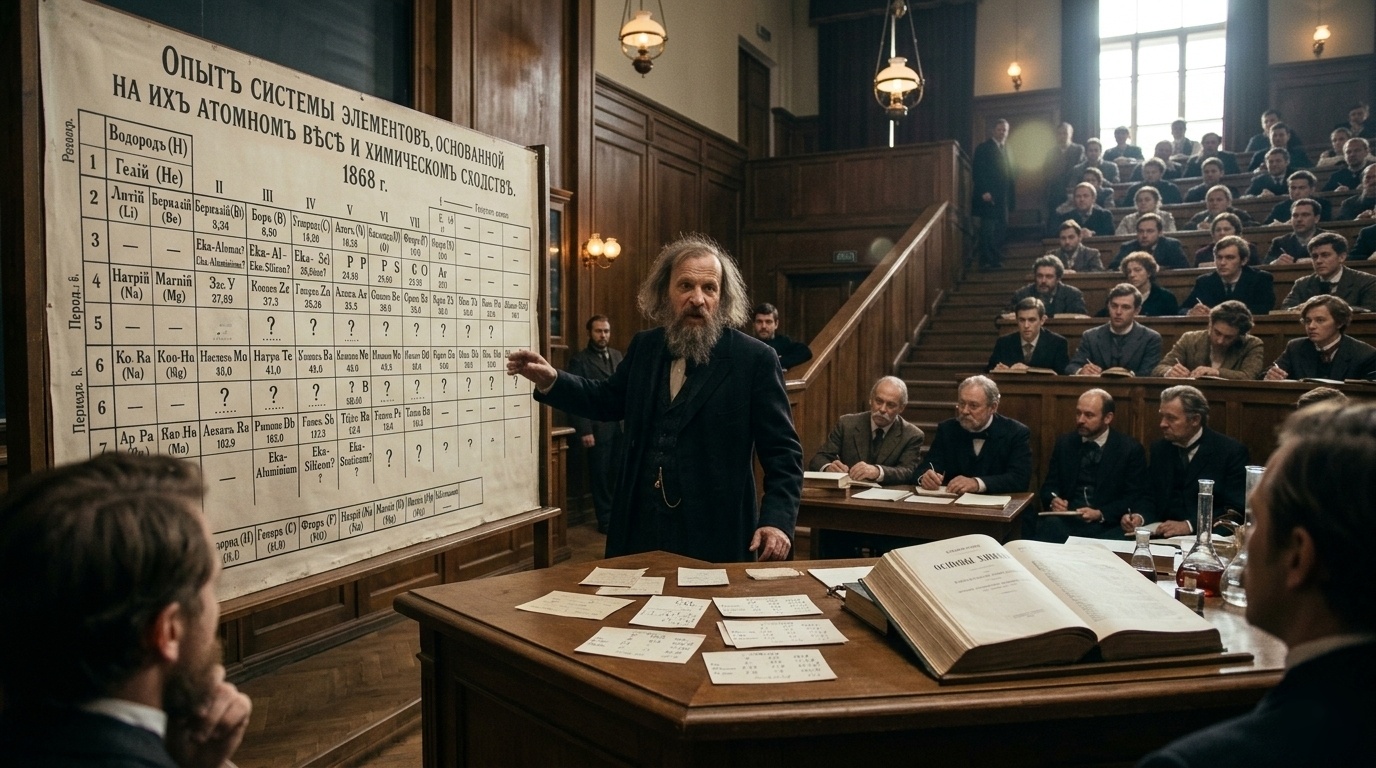
with greater accuracy. The culmination of this period came with Dmitri Mendeleev's periodic table
in 1869. By arranging elements according to atomic weight and chemical behavior, Mendeleev revealed
a deep internal order in atomic identity. The periodic table not only organized known elements but
predicted new ones, demonstrating that atoms were not arbitrary units but possessed internal
structure that governed their properties. This was the first strong indication that the atom was
not an indivisible chunk of stuff, after all.
The late 19th and early 20th centuries shattered the notion of the atom as a solid, indivisible particle. J.
J. Thomson's discovery of the electron in 1897 showed that atoms contained smaller charged
components. Ernest Rutherford's gold-foil experiment in 1911 revealed that atoms consist of a tiny,
dense nucleus surrounded by electrons. Meanwhile, the
work of Henri Becquerel and Marie Curie on radioactivity demonstrated that atoms could
spontaneously transform, releasing enormous energy and emitting particles from deep within their
structure.
Just a few years later, in 1913, Niels Bohr refined Rutherford's model by proposing that electrons
occupy fixed, quantized orbits around the nucleus—and that they emit or absorb energy only
when jumping between those orbits. This explained the characteristic spectral lines of hydrogen
with remarkable precision and laid the groundwork for quantum mechanics. Bohr's model was the
first to connect atomic structure to the behavior of light, making the invisible atom visible, in
a sense, through the colors it produced.
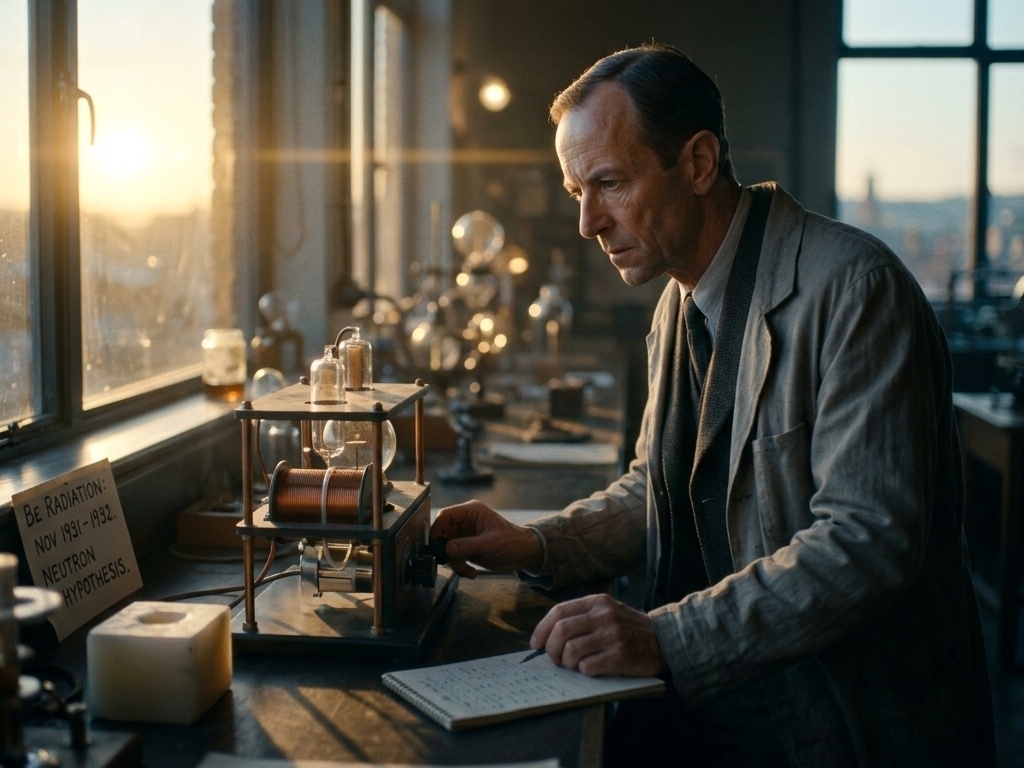
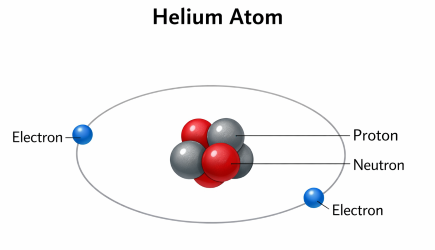
The final piece of the nuclear puzzle came in 1932, when James Chadwick discovered the
neutron. This neutral particle explained the mass of nuclei and provided the key to unlocking
nuclear reactions. Because neutrons carry no electric charge, they can penetrate nuclei and induce
transformations that charged particles cannot. With the neutron's discovery, the atom was no longer
a philosophical abstraction or a chemical bookkeeping device—it was a dynamic, structured
system capable of releasing energies far beyond anything previously imagined.
The Road to Nuclear Physics and the Atomic Age
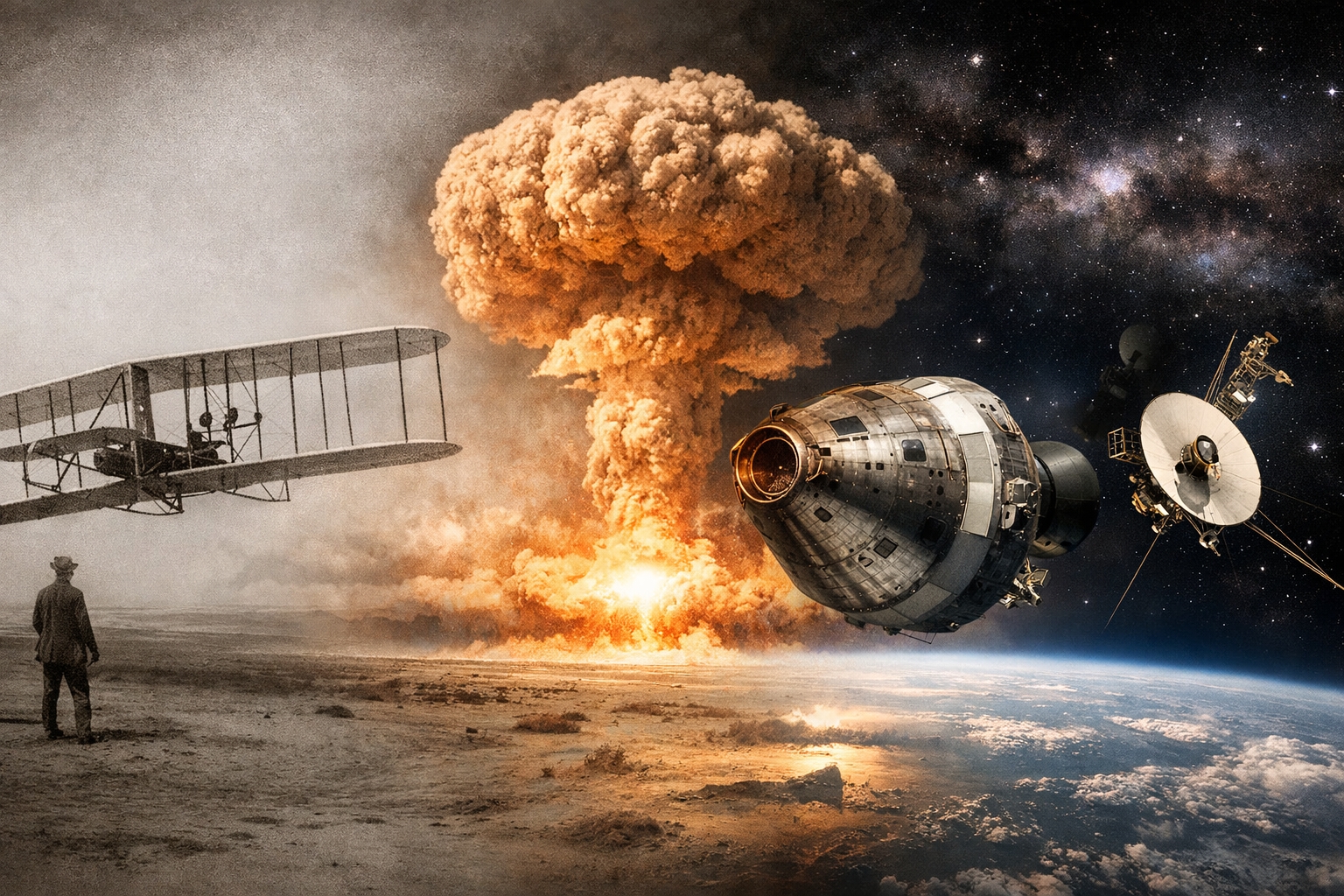
Armed with the neutron, physicists began probing
the nucleus with unprecedented precision. Enrico Fermi's experiments in the 1930s showed that slow
neutrons could induce transformations in heavy elements, setting the stage for the discovery of
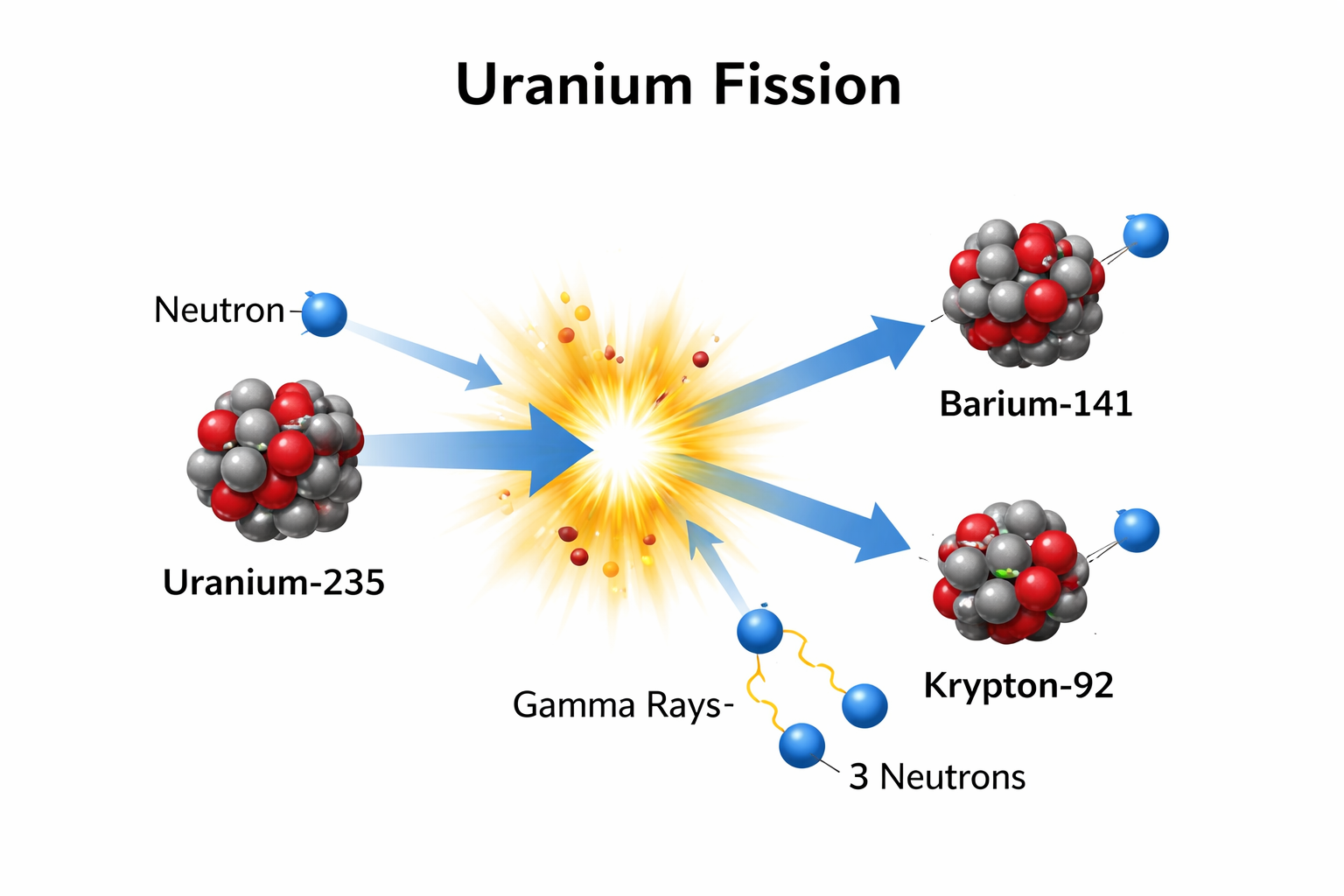
nuclear fission. In 1938, Otto Hahn and Fritz Strassmann found that bombarding uranium with
neutrons produced barium, a much lighter element. Lise Meitner and Otto Frisch interpreted this
result as the splitting of the uranium nucleus, releasing about 200 MeV of energy per fission event
and emitting additional neutrons capable of sustaining a chain reaction.
Why so much energy from splitting a single atom? The answer lies in Albert Einstein's 1905 equation,
E=mc2. Mass and energy are interchangeable, related by the square of the speed of light—an
almost incomprehensibly large number. When a uranium nucleus splits, a tiny fraction of its mass
vanishes, converted directly into energy. That tiny fraction, multiplied by c2, produces the
explosive release that makes nuclear weapons so devastating and nuclear power plants so efficient.
Democritus' indivisible atomoi had turned out to be not only divisible, but to contain within them
an energy that would change the world.
This discovery
transformed physics into a world-altering technology. Within seven years, the Manhattan Project had
built the first nuclear reactors, produced enriched uranium and plutonium, and detonated the first
atomic bombs. The same principles that made weapons possible also enabled controlled chain
reactions for power generation. By 1951, the first electricity from nuclear fission was produced,
and by the mid-1950s commercial nuclear power plants were operating. The Atomic Age had begun,
rooted in a 2,500-year intellectual journey from Greek speculation to modern physics.
BOOM!
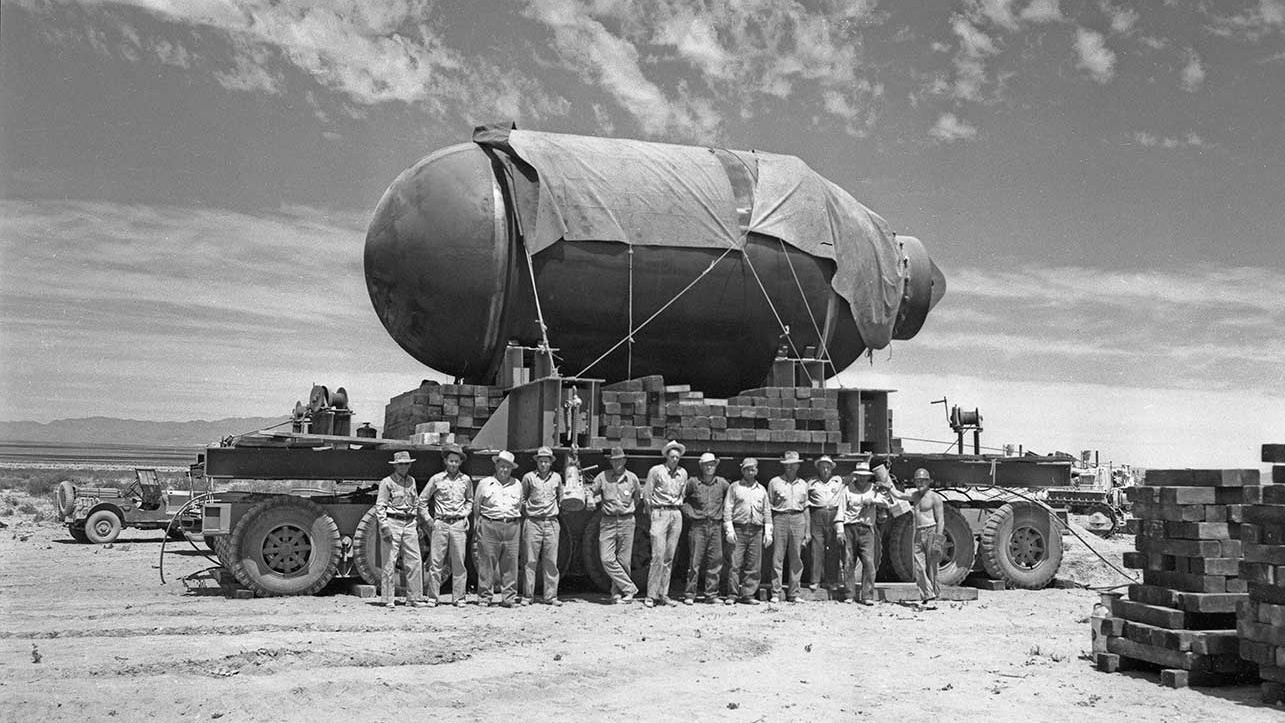
The development, testing, and use of the first atomic bombs unfolded over a compressed and
extraordinary period between 1942 and 1945, beginning with the Manhattan Project and culminating in
the bombings of Hiroshima and Nagasaki. The first nuclear detonation occurred on July 16, 1945, at
the Trinity test site in New Mexico, where the United States successfully tested an implosion-type
plutonium device. This test confirmed that nuclear fission could be weaponized on a scale far
beyond conventional explosives, and it directly informed the decision to deploy atomic weapons
against Japan.
The first combat use of an atomic bomb took place on August 6, 1945, when the B-29
Enola Gay, piloted by Col. Paul W. Tibbets Jr., dropped the uranium-based Little Boy bomb on
the Japanese city of Hiroshima. The aircraft had been specially modified under the "Silverplate" program to carry
nuclear weapons, and its crew included a navigator, bombardier, flight engineer, radio operators,
gunners, and mission specialists. The strike destroyed roughly three-quarters of the city. Three
days later, on August 9, the plutonium Fat Man bomb was dropped on Nagasaki. Although the Enola
Gay served as a weather reconnaissance aircraft for that mission, the strike plane was Bockscar,
commanded by Maj. Charles W. Sweeney. The Hiroshima mission also involved multiple support
aircraft—The Great Artiste as an observation plane and Necessary Evil as a camera
ship—each with full crews and scientific observers.
Casualty estimates for the bombings
vary, but Hiroshima's immediate and short-term deaths are commonly placed in the range of
70,000–140,000, with Nagasaki adding another 40,000–70,000. These figures include those killed
instantly and those who died in the following weeks from burns, trauma, and radiation sickness. The
scale of destruction was unprecedented, but U.S. military planners at the time believed that
continuing the war without atomic weapons would have resulted in far higher casualties on all
sides. Contemporary projections for Operation Downfall—the planned invasion of the Japanese
home islands—estimated American fatalities in the hundreds of thousands and Japanese military
and civilian deaths potentially reaching into the millions. These estimates were based on the
ferocity of fighting on Iwo Jima and Okinawa, the mobilization of Japanese civilians for defense,
and intercepted communications indicating Japan's unwillingness to surrender unconditionally.
The bombings of Hiroshima and Nagasaki became the hinge point between the end of World War II and
the beginning of the Atomic Age. They demonstrated the destructive potential of nuclear fission,
accelerated Japan's surrender, and reshaped global politics, strategy, and ethics for generations.
Within four years, the Soviet Union had tested its own atomic bomb, and the arms race that would
define the Cold War had begun. By the 1950s, both superpowers were developing thermonuclear
weapons many times more powerful than those dropped on Japan, and the doctrine of
mutually assured destruction—MAD, with grim aptness—became the uneasy foundation
of global stability. The atom that had once been merely a philosopher's thought experiment now
held the fate of civilization in its nucleus.
Turn On The Lights
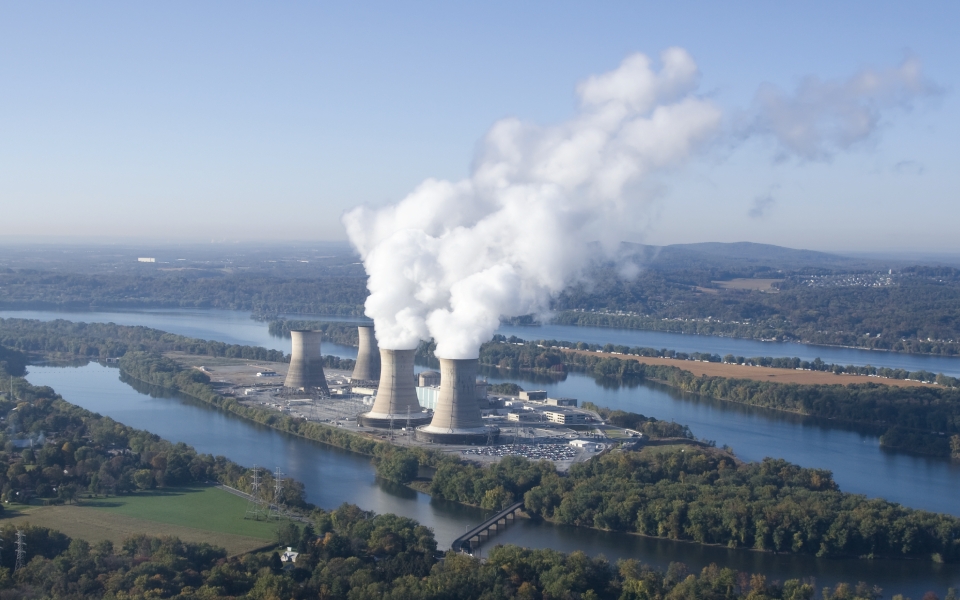
Nuclear electric power grew out of the same discoveries that made atomic weapons possible, but its
development followed a different trajectory—one focused on controlled, steady heat rather
than explosive release. After the discovery of fission in the late 1930s, scientists quickly
realized that a self-sustaining chain reaction could produce continuous heat suitable for
generating electricity. A nuclear reactor works by using
the heat from a controlled chain reaction to boil water, produce steam, and turn turbines, just as
in a conventional power plant, with the only difference being the heat source.
The first demonstration of this principle came during World War II with Chicago Pile-1, which achieved the
first self-sustaining chain reaction, in 1942. Although built for research, it proved that fission
could be controlled. After the war, attention shifted toward peaceful applications.
Scientists soon concentrated on non-military uses of nuclear technology,
with electricity generation becoming one of the most important. This transition marked the
beginning of nuclear energy as a civilian enterprise.
The first electricity ever produced by a
nuclear reactor occurred in 1951 at the Experimental Breeder Reactor-1 in Idaho, which powered four
light bulbs before later generating enough electricity for its own systems. This milestone showed
that nuclear heat could be harnessed for practical power production. By the mid-1950s, countries
began constructing reactors specifically for civilian electricity. Early commercial
plants—known today as Generation I reactors—appeared in the United States and the
United Kingdom, including the Shippingport and Calder Hall stations. These early designs were
prototypes that established the basic engineering patterns for later reactors.
As nuclear power
expanded, reactor technology evolved through successive generations. Generation II reactors,
introduced in the mid-1960s, became the backbone of global nuclear power and remain the most common
type in operation today. They incorporated improved safety systems but still relied on active
controls that required electrical power and operator intervention. In the 1990s, Generation III
reactors introduced passive safety features—systems designed to shut down and cool the
reactor without human action or external power. Examples include the European Pressurized Water
Reactor and the Westinghouse AP1000, which use gravity-fed cooling and natural circulation to
manage heat in emergencies.
That evolution was partly driven by hard lessons. Three significant accidents reshaped public
attitudes toward nuclear power. The partial meltdown at Three Mile Island in Pennsylvania in 1979
released minimal radiation into the environment but shook American confidence in nuclear safety
and effectively halted new plant construction in the United States for decades. The Chernobyl
disaster of 1986 in Soviet Ukraine was far more severe: a flawed reactor design combined with
operator error caused an explosion and fire that scattered radioactive material across much of
Europe, forcing the permanent evacuation of the surrounding region and resulting in thousands of
long-term cancer deaths. And in 2011, an earthquake and tsunami overwhelmed the cooling systems
at Japan's Fukushima Daiichi plant, causing three reactor meltdowns and triggering a global
reassessment of nuclear risk. Each accident produced new regulations, redesigns, and, in some
countries, a political retreat from nuclear power altogether.
Across these decades, nuclear electric power grew from a wartime
scientific breakthrough into a major component of global energy infrastructure. Its history
reflects a steady progression toward safer, more efficient designs, shaped by lessons learned from
earlier reactors and by the ongoing need for reliable, low-carbon electricity.
Before solar and other renewables entered the picture in a meaningful way, nuclear power supplied a
large share of electricity both in the United States and globally. In the early 2000s, when solar
generation was effectively negligible, nuclear power consistently provided close to
20% of U.S. electricity. This level held steady for many years because the American
nuclear fleet was large, mature, and operated at very high capacity factors. Worldwide, nuclear
power's share was also higher than it is today, though unevenly distributed: countries like France,
Slovakia, and Hungary relied heavily on nuclear generation, while many developing nations had no
nuclear capacity at all. The global average during this period was higher than today's roughly
10 %, reflecting a time before the rapid expansion of solar and wind reshaped the world's
electricity mix.
Physician, Nuke Thyself
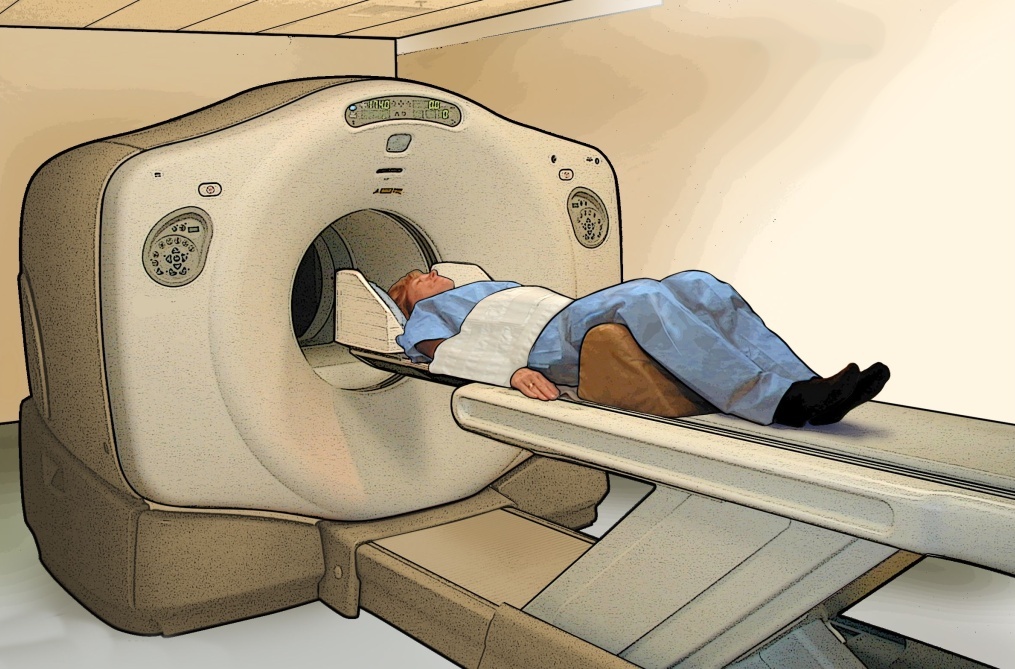
Nuclear medicine grew out of the same discoveries that revealed the structure of the atom, but
instead of releasing energy explosively, it uses carefully controlled radiation to diagnose and
treat disease. The field began in the mid-20th century, when scientists realized that radioactive
isotopes could be introduced into the body and tracked as they moved through organs and tissues.
Because these isotopes emit detectable radiation, they allow physicians to visualize physiological
processes in real time—blood flow, metabolism, organ function—rather than relying
solely on anatomical images. This shift from structure to function made nuclear medicine one of the
most powerful diagnostic tools in modern healthcare.
Radiation therapy emerged alongside these
diagnostic techniques as a way to target and destroy cancer cells. High-energy beams—often
gamma rays, X-rays, or particle beams—are directed at tumors to damage the DNA of malignant
cells, preventing them from dividing. Healthy tissue is spared as much as possible through precise
targeting and controlled dosing. Over time, radiation therapy has become a cornerstone of cancer
treatment, used alone or in combination with surgery and chemotherapy. It is especially effective
for localized tumors and for shrinking cancers before or after surgical removal. While radiation
can cause side effects, its ability to eradicate cancerous tissue has saved millions of lives.

The irony at the heart of this field is that Marie Curie, whose pioneering work uncovered the nature of
radioactivity, ultimately died from the long-term effects of radiation exposure. She handled
radioactive materials before the dangers were understood, often carrying samples in her pockets or
storing them in her desk because she was fascinated by their faint glow. Her notebooks, laboratory
equipment, and even some personal belongings remain radioactive to this day. Yet the very phenomena
she discovered—radioactive decay, ionizing radiation, and the behavior of
isotopes—became the foundation for treatments that now cure cancers, diagnose heart disease,
and guide countless medical decisions. Curie's death from aplastic anemia, likely caused by chronic
radiation exposure, stands as a tragic counterpoint to the life-saving technologies her discoveries
made possible.
Nuclear medicine continues to evolve, with newer techniques such as PET scans,
targeted radiopharmaceuticals, and precision radiation therapies offering increasingly effective
and less invasive options. The same scientific principles that once produced weapons of
unprecedented destructive power also gave rise to some of the most important tools in modern
medicine—a reminder that knowledge itself is neither weapon nor cure, but only what we
choose to make of it.
The ages of human progress have never waited politely for one another to finish. Even as mushroom
clouds reshaped the political map and physicists argued over whether the bomb had saved the world
or damned it, another age was quietly being born from the same equations. The rocket fuel of the
Cold War—fear, ambition, and the desperate need to demonstrate national power—was
burning on a different launchpad. The uranium that leveled Hiroshima and the reactors that lit
American cities also seeded the technologies that would soon lift human beings off the planet
entirely. The Atomic Age did not end to make room for the Space Age; it ignited it. Next,
we'll follow that trajectory upward.