|
By: Paul S Cilwa |
Posted: 2/28/2026 |
|
Page Views: 58 |
| Hashtags: #Science #History #Technology |
| How the Industrial Age came to be. |
| Estimated reading time: 16 minute(s) (3618 words) |
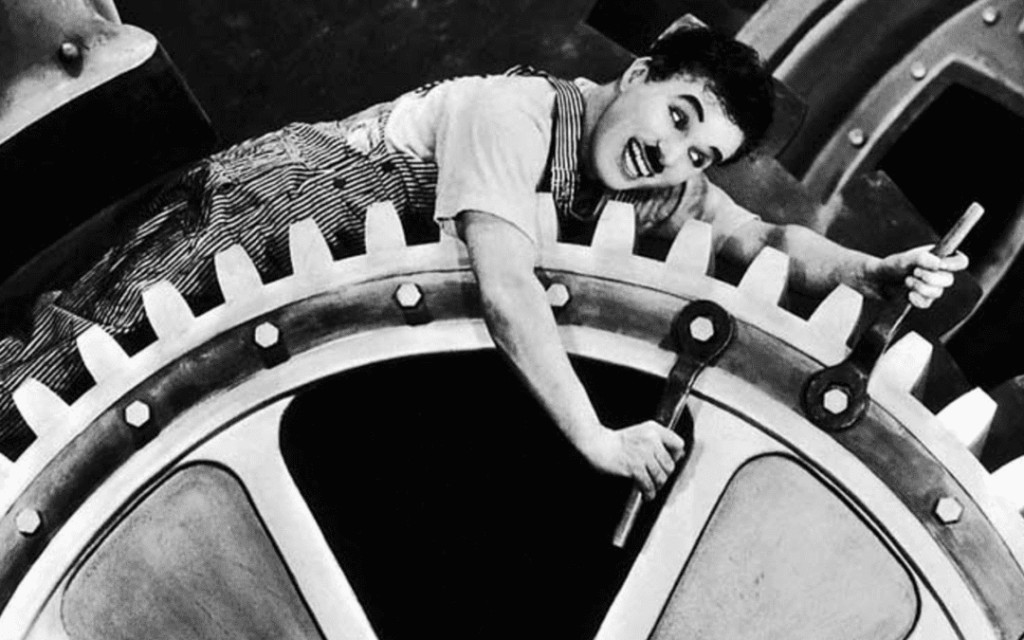
For those of us who aren't paleoarchaeologists, the Stone Age is pretty
much personified by The Flintstones, with the caveat that 1) we know
it's a cartoon, and 2) we know there weren't really dinosaurs living
alongside humans (if we don't count RFK Junior). The Copper, Bronze,
and Iron Ages, for most people, boil down to the composition of
weaponry, and scenes from such films as Monty Python and the Holy Grail,
or perhaps, if you were born this century, Game of Thrones. As for the
Gunpowder Age, the first image is either from the likes of Lonesome
Dove, or perhaps the fireworks scene in Mulan.
There's a reason these eras blur together in the popular imagination:
each one was built on the last. The Iron Age didn't arrive by
magic; it required the Bronze Age's knowledge of smelting and
metalworking, plus furnaces hot enough to smelt iron ore. Those living
in the Bronze Age couldn't have imagined what iron tools and weapons
would look like; they were too busy mastering copper and tin. And
nobody in any of these eras was writing history books about the one
before it. The Stone Age was just…life, until it wasn't.
There's another pattern worth noticing: each age is shorter than the
one that preceded it. The Stone Age lasted roughly 3.4 million years.
The Bronze Age? About two thousand. The Iron Age, a few hundred. The
Gunpowder Age, measured in centuries. And the Industrial Age—the
subject of this essay—compressed changes that once took millennia
into a single lifetime. The pace of transformation has been
accelerating ever since, which is either thrilling or terrifying,
depending on your temperament.
Why Britain? Why Then?
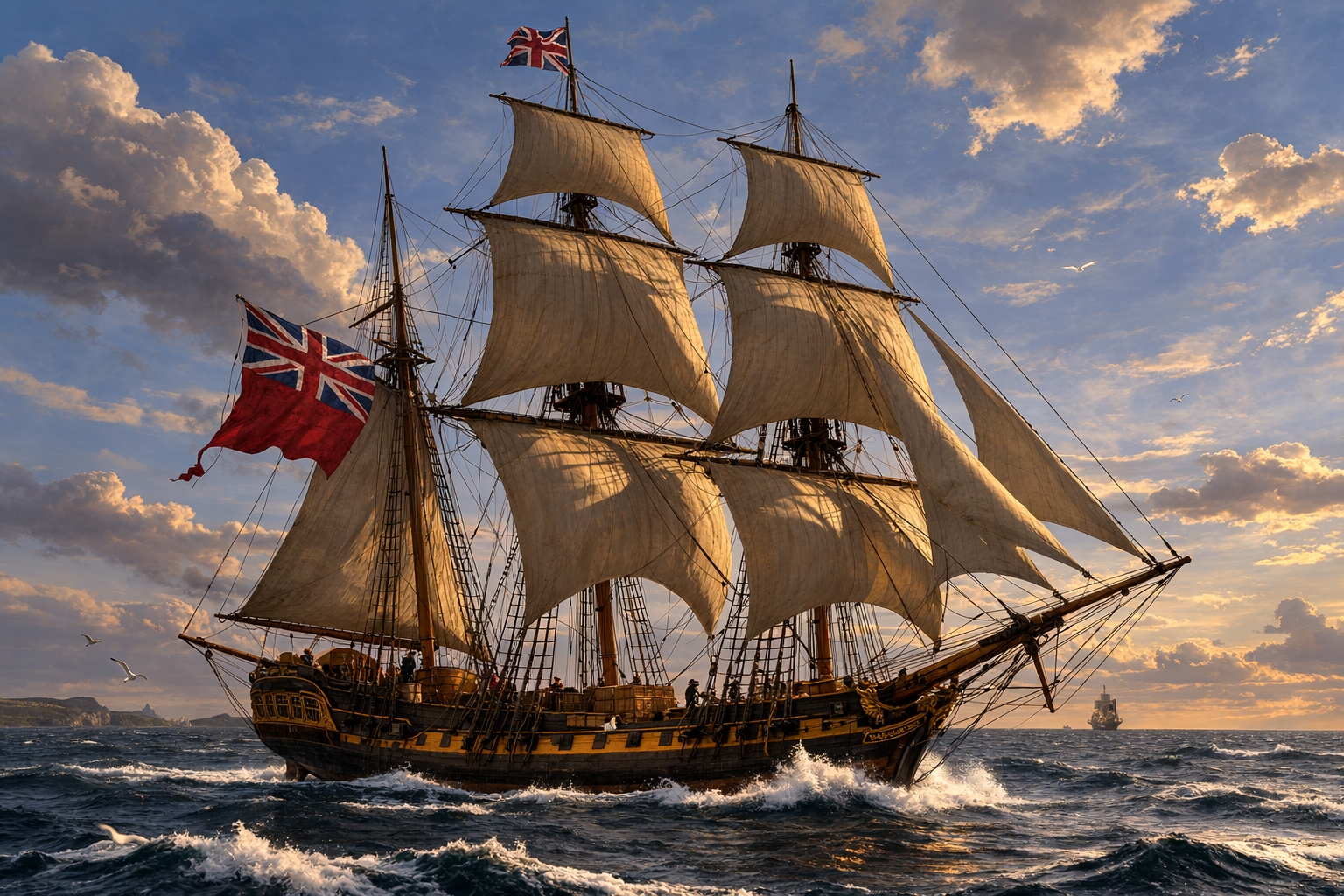
First, Britain was already a trading nation. For centuries, its
chief export had been wool and woolen textiles—not iron, as one
might assume. The wool trade had, over generations, built the merchant
networks, the banking relationships, and the commercial habits of mind
that would later power industrial capitalism. By the mid-18th century,
Britain controlled a global trading empire stretching from the
Caribbean to the Indian subcontinent. Trade was already in its DNA.
Second, Britain had an unusual legal and financial environment.
Following the political upheavals of the 17th century—the Civil War
and the Glorious Revolution of 1688—Parliament emerged as a check
on royal power, and with it came stronger protections for private
property. Courts enforced contracts. Banks extended credit. A merchant
or manufacturer who had a good idea could borrow money to pursue it
without fearing that a king would simply seize the fruits of his labor.
Entrepreneurial risk-taking made sense in a way it simply didn't
elsewhere in Europe, where absolute monarchs could (and did) confiscate
wealth on a whim.
 Coke here means coal that has been heated to drive off
impurities, leaving nearly pure carbon. It burns hotter and cleaner
than raw coal, making it ideal for iron smelting. It is, in this
context, neither a refreshing beverage nor Donald Trump, Jr.'s
drug-of-choice.
Coke here means coal that has been heated to drive off
impurities, leaving nearly pure carbon. It burns hotter and cleaner
than raw coal, making it ideal for iron smelting. It is, in this
context, neither a refreshing beverage nor Donald Trump, Jr.'s
drug-of-choice.
Third, Britain sat on top of enormous coal deposits, and had ready
access to iron ore. Coal had already become essential for smelting
iron—the old charcoal-fired furnaces were straining under demand, and in
1709 Abraham Darby pioneered the use of coke (a processed form of coal)
to produce cast iron far more cheaply and in greater quantities than
before. The resulting availability of inexpensive iron was, in itself,
one of the triggers of the Revolution. Iron and coal, it turned out,
were the matched pair the age was waiting for.
Fourth, and often underappreciated, was what historians call the
Second Agricultural Revolution. The first, if you're wondering,
was the Neolithic Revolution roughly 12,000 years ago, when humans
shifted from hunting and gathering to farming—arguably the single
most consequential change in human history. The Second Agricultural
Revolution, which unfolded in Britain roughly from the 17th to early
19th centuries, was less dramatic but nearly as important. Through
innovations like crop rotation (the Norfolk four-course system, which
replaced fallow years with nitrogen-fixing clover), selective breeding
of livestock, new plowing technology, and the enclosure of common
lands into privately managed farms, British agriculture became
astonishingly productive. Output grew faster than population for over
a century.
This had two crucial effects. It freed labor—fewer farmers
were needed to feed the country, pushing people off the land and into
the cities, where they became the factory workforce that the industrialists
needed. And it increased disposable income, creating a consumer
class that could buy the manufactured goods the new factories were
producing. Workers and consumers were created simultaneously—exactly
what a revolution in production requires.
Finally, Britain had developed a remarkable ecosystem of inventors,
tinkerers, and practical engineers who talked to each other. This
matters more than it might seem. Clever people have ideas in every
society, in every era—so why don't those ideas always go anywhere?
Because an idea without capital, without legal protection for the
resulting invention, and without a network of craftsmen skilled enough
to build the thing, is just a daydream. Britain had all three: the
patent system protected inventors' profits, banks provided capital,
and a growing community of skilled metalworkers and machinists could
actually make the designs a reality. The Lunar Society of Birmingham—a
loose club of industrialists, scientists, and inventors that
included James Watt, Matthew Boulton, Erasmus Darwin, and Josiah
Wedgwood—is a perfect example of how ideas cross-pollinated and
accelerated each other.
What Was Missing: A Source of Power
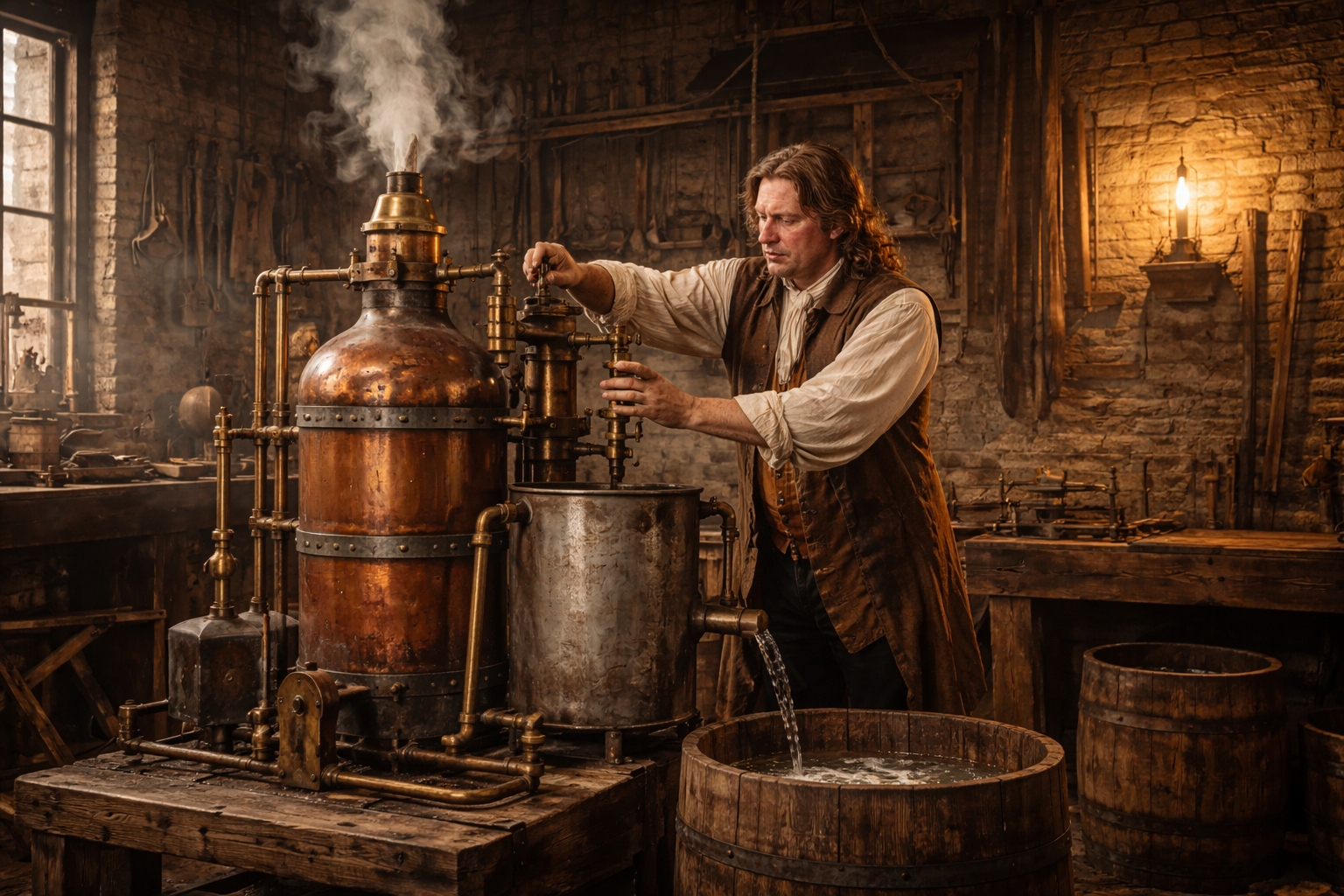
Previous technological ages had made excellent use of heat. The
smelting of copper, bronze, and iron were all fundamentally heat
problems, solved by building hotter and hotter furnaces. But heat, by
itself, doesn't move things. It doesn't spin a spindle, drive a loom,
or haul coal up from a mine shaft. For those tasks, you needed
power—and for most of human history, power meant muscles.
Human muscles, ox muscles, horse muscles, despite the limited use
of wind and water through mills and sails.
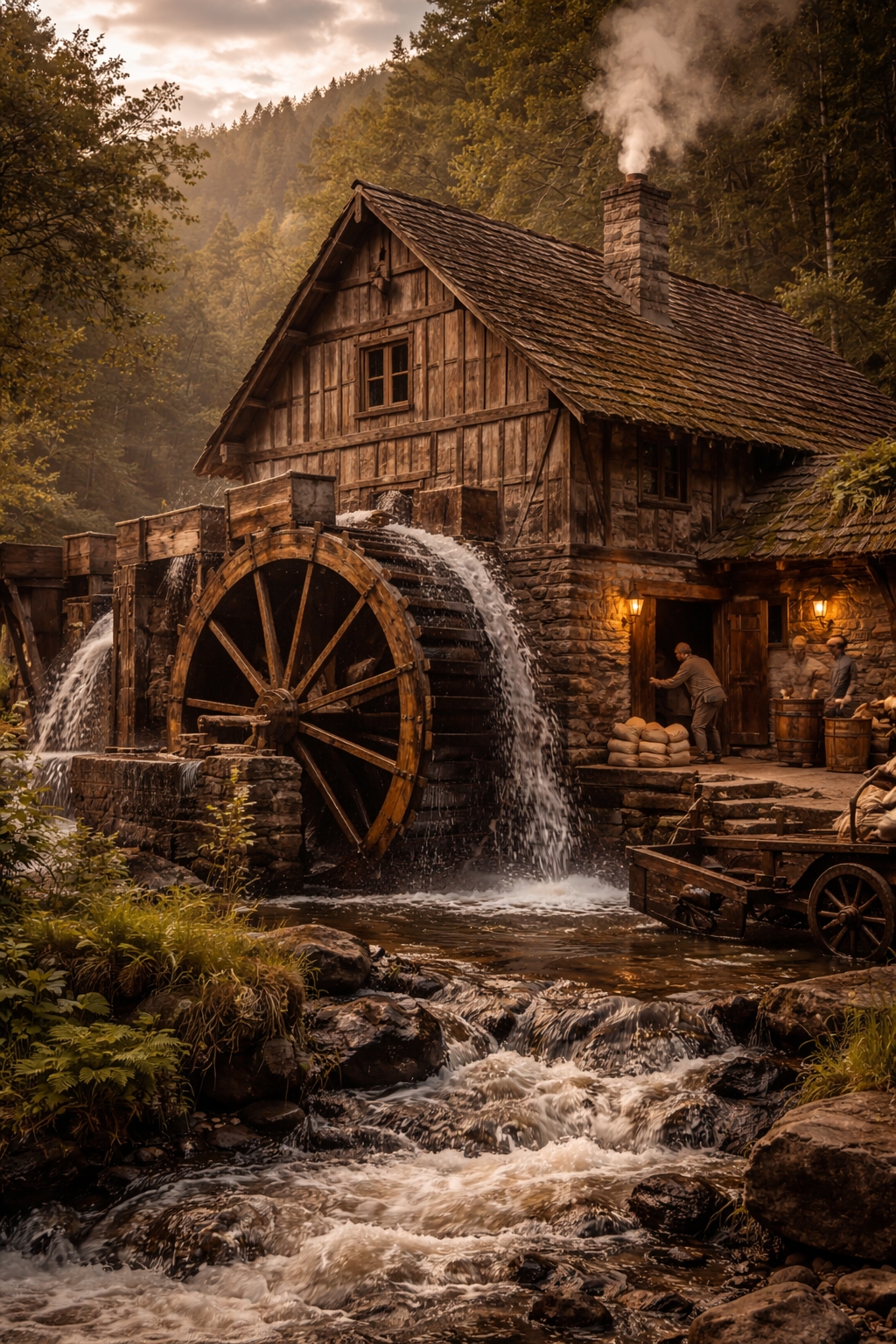
Water mills had been around for centuries, and Britain had plenty of
fast-running rivers to drive them. Early textile factories were, in
fact, built along rivers for exactly this reason. But water power has
obvious limits: you need a river, and the river needs to stay full.
Move away from the water and the power disappears. What the Industrial
Revolution really needed was portable, on-demand, fuel-powered motion.
What it got was steam.
The steam engine's development was gradual, iterative, and unglamorous—which
is to say, it was typical of how technology typically advances.
In 1698 one Thomas Savery patented a steam pump he called "The Miner's
Friend," designed to suck water out of flooded mine shafts. It worked,
after a fashion, but was limited in depth and, well, prone to exploding. In
1712 Thomas Newcomen, an ironmonger, produced the first truly practical
steam-powered pump, installed at a coal mine near Dudley Castle in the
Midlands. Newcomen's engine could lift 5,000 gallons of water per hour
from over 150 feet down, which was genuinely revolutionary for the
miners slowly drowning in their own workplaces. It was also staggeringly
inefficient—it consumed coal at a ruinous rate. Fortunately, since
it was installed in coal mines, this was less of a problem than
it might otherwise have been.
The Newcomen engine dominated mine drainage for over fifty years. Then,
in the 1760s, a Scottish instrument maker named James Watt was asked to
repair a model Newcomen engine at the University of Glasgow. Watt's
insight was elegant: Newcomen's engine wasted most of its energy
repeatedly heating and cooling the same cylinder.
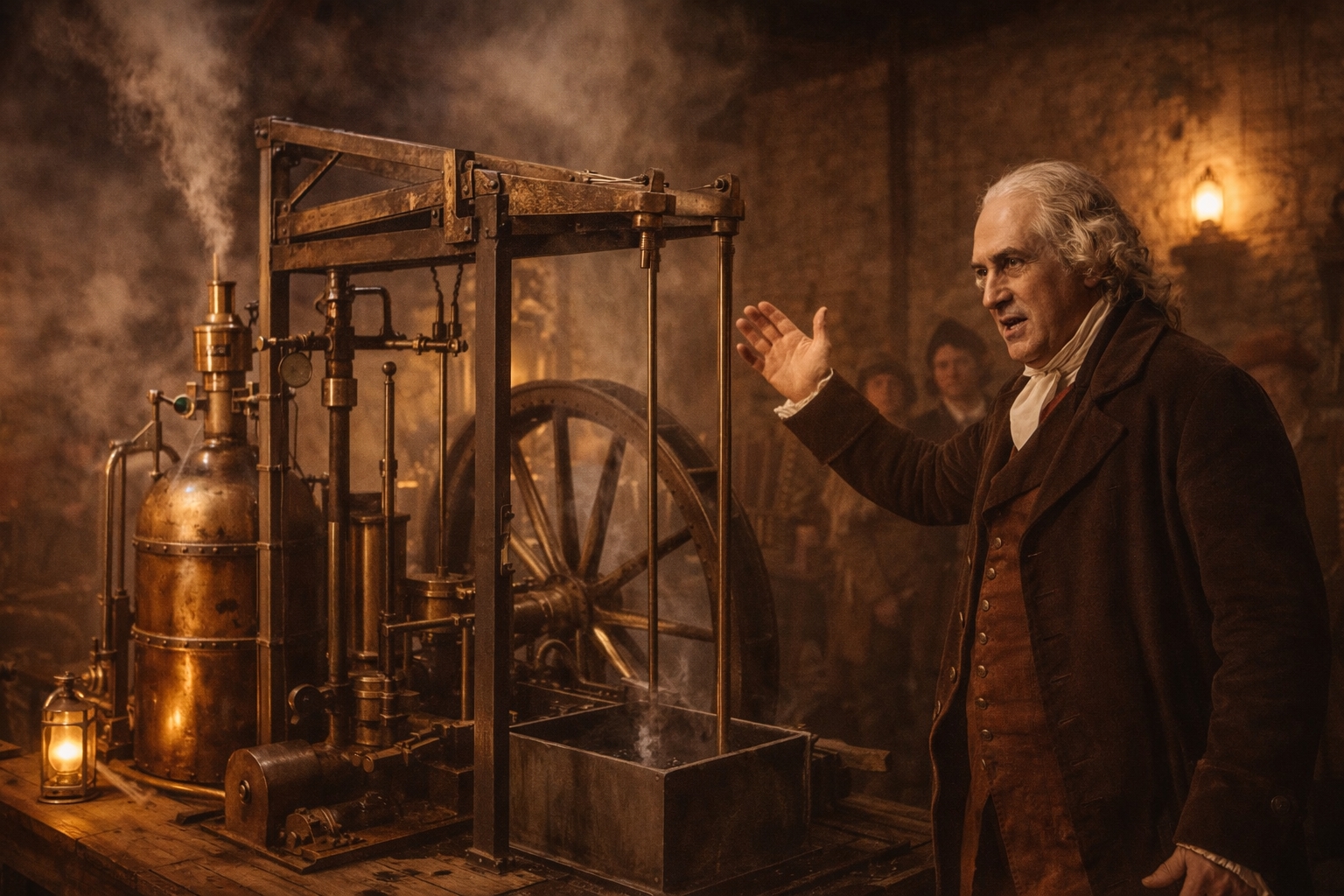
Watt added a separate
condensing chamber, keeping the main cylinder hot and the condenser
cold, and cut fuel consumption by roughly 75%. Then came the crankshaft
and flywheel, converting the engine's back-and-forth pumping motion
into smooth, continuous rotation. Suddenly you didn't just have a
pump—you had an engine that could drive machinery. Watt's business
partner Matthew Boulton famously told him: "I sell here, sir, what all
the world desires to have—power." Which, if you think about it,
is an astonishingly profound and insightful statement.
The steam engine was first used almost exclusively in mining, pumping
water from flooded shafts. Then it began driving bellows for blast
furnaces, producing more and better iron, which produced better steam
engines, which produced more iron—a self-reinforcing cycle that
would characterize the entire Industrial Revolution. From the 1780s
onward, steam engines powered cotton mills, which no longer needed to
be built next to rivers. By the 1820s they powered locomotives. By
mid-century, steamships were crossing oceans.
What Steam Made Possible
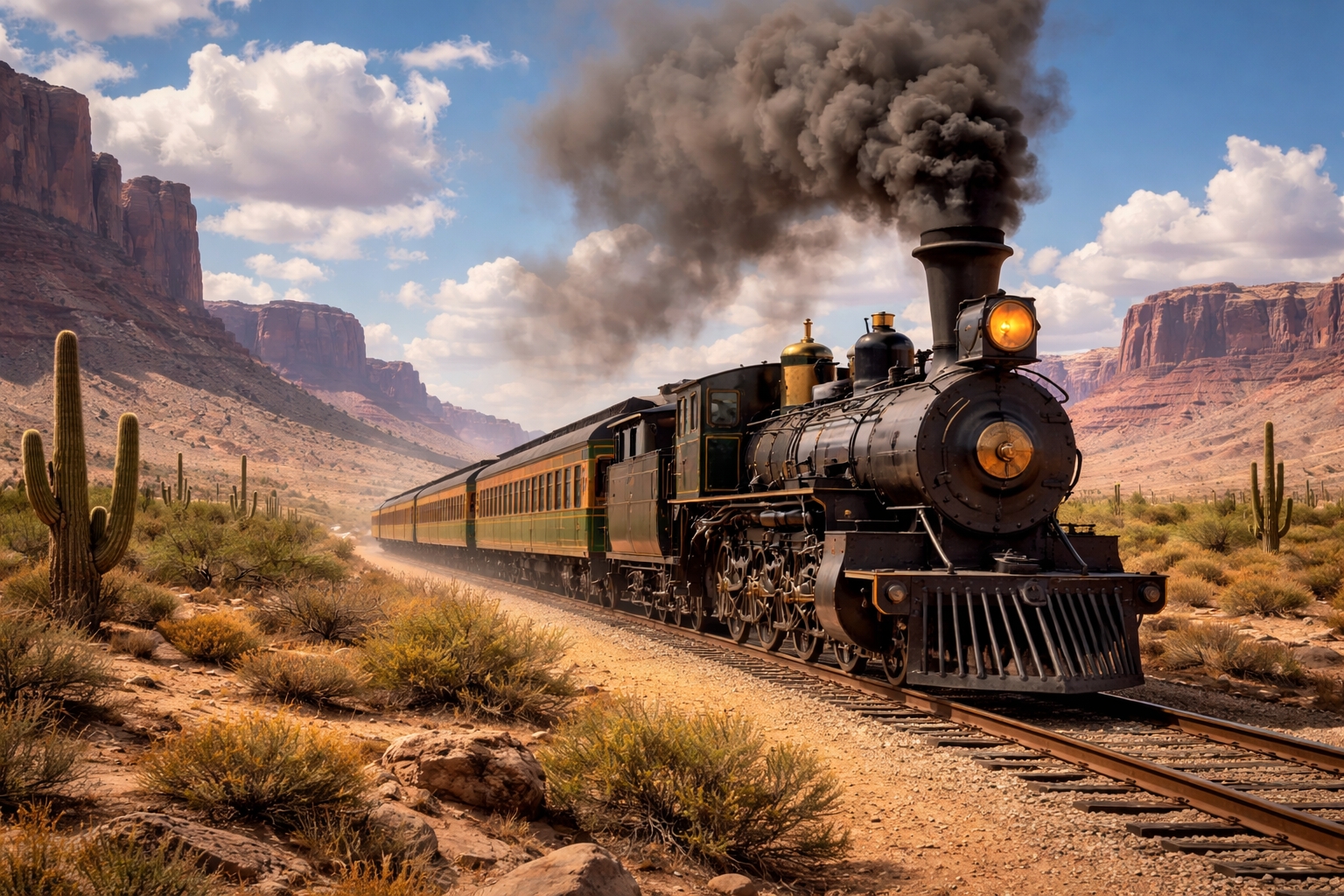
The industries transformed by steam power form a list that essentially
constitutes the modern world. Textiles led the way—spinning and
weaving, once cottage industries performed by families in rural homes,
moved into steam-powered factories that could produce cloth in
quantities and at prices that hand-weavers simply could not match.
Iron and steel production exploded, from about 28,000 tons in 1750 to
250,000 tons by 1805. Mining went deeper and wider. Railways knit the
country together; by the 1840s, a journey that had taken days by horse
took hours. Steamships shrank the Atlantic. Pottery, glass,
chemicals, papermaking, printing—all were mechanized, accelerated,
and cheapened.
With production came consumption. Coffee, tea, sugar, and tobacco—once
luxuries for the wealthy—became affordable to ordinary
working people. The three-piece suit, once a mark of prosperity,
became something a mill worker could buy. Cast-iron cooking pots
moved into working-class kitchens. The material standard of living,
for many people, rose in ways that would have been simply unimaginable
to their grandparents.
And with the factories came the cities. By 1851, for the first time
in any nation's history, more people in Britain lived in towns and
cities than in the countryside. Manchester, Birmingham, Leeds, and
Sheffield grew from market towns into industrial metropolises within
a generation or two. It was not a gentle transformation.
What Steam Took Away

Every technology creates its winners and its casualties. The Industrial
Revolution had both, in abundance. The handloom weavers of Britain are
the most famous example—skilled craftsmen who had spent years
mastering their trade, and who found their livelihoods made obsolete
by a machine that an unskilled worker could learn to operate in days. The
Luddites, who smashed textile machinery in the early 19th century,
are often held up as symbols of irrational fear of progress. It is
worth remembering that from where they stood, the machines were
destroying a way of life that had been stable and dignified for
as far back as they could remember.
It wasn't just weavers. Spinners, dyers, fullers, shearers, stocking
framers, lace-makers, felt-hat makers, paper-mill workers, coal
heavers, canal boatmen, coopers, wheelwrights, blacksmiths working
in traditional ways—whole craft traditions that had taken
lifetimes to master were degraded or eliminated within decades. The
knowledge died with the people who held it (which means it will have
to all be reinvented, should we have to start over).
The new factory work was different in character from the old craft
labor. A weaver working at home set his own hours, moved at his own
pace, and took pride in a finished piece of cloth. A mill worker tended
a machine for twelve hours a day, six days a week, in deafening noise
and dangerous conditions, for a wage that depended on the mill owner's
discretion. Child labor was everywhere. Injuries were common. The air in
industrial cities was, as the poet memorably put it,
full of "dark Satanic mills"—and he wasn't being purely metaphorical.
The life expectancy in early industrial Manchester was lower than in
rural England, and in some working-class districts, lower than it had
been in medieval times!
Ireland: The Country the Revolution Left Behind
Not every part of the British Isles industrialized. Ireland, for
reasons that combined geography, politics, and deliberate policy, was
largely bypassed by the Industrial Revolution—and the consequences
were catastrophic.
Ireland had little coal, the essential fuel of industrialization.
Without coal, steam power was impractical, and without steam power,
large-scale mechanized industry was impossible. But the coal shortage
was not the only problem. Irish land was controlled by a system of
largely absentee landlords—English and Anglo-Irish aristocrats,
about 10,000 strong, who lived mostly in England and collected rents
from their Irish estates while investing nothing in them. As one
19th-century observer put it, Ireland had a starving population,
an absentee aristocracy, and the weakest executive in the world. The
conditions for investment, innovation, and entrepreneurship simply
didn't exist.
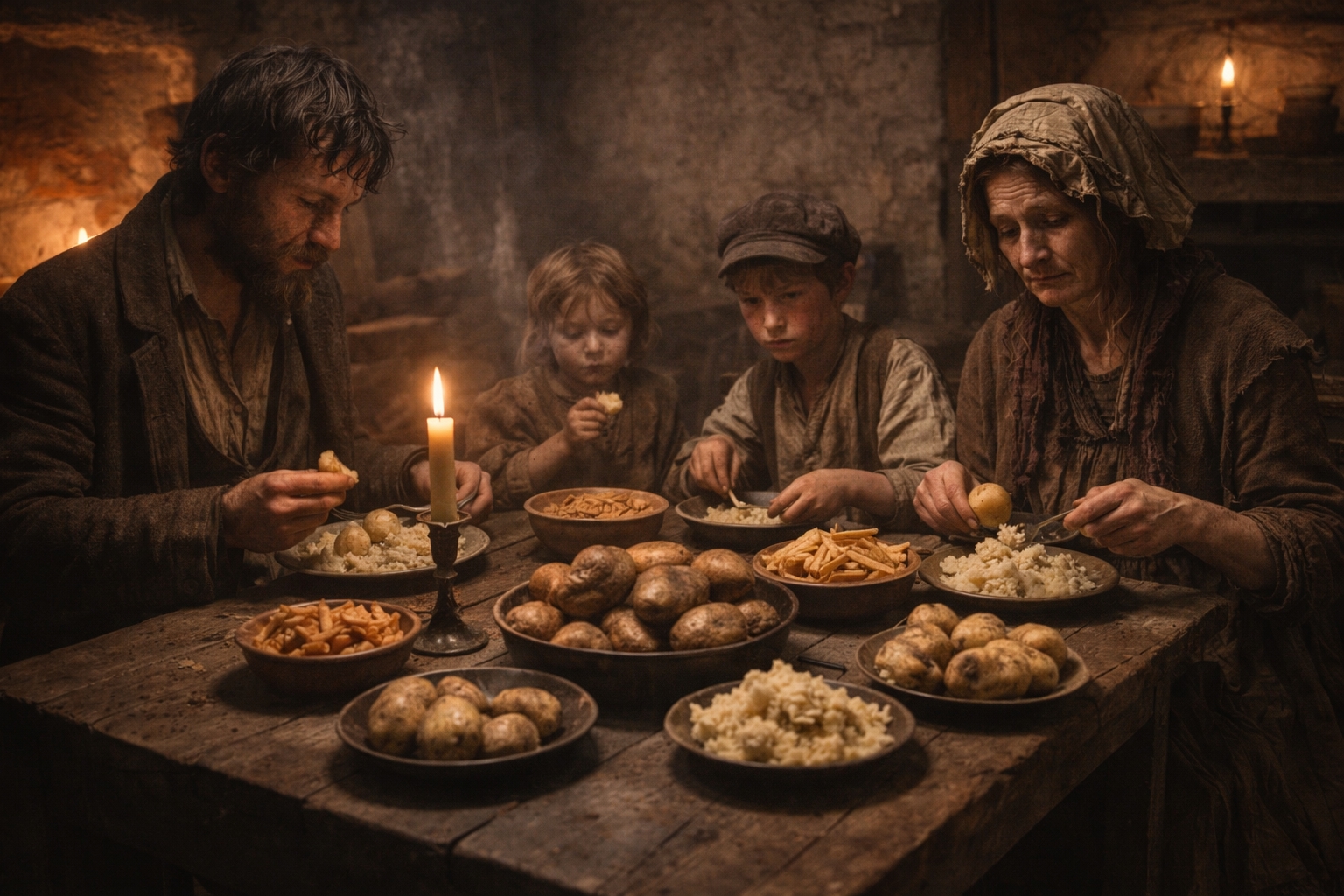
Without industrial employment in the cities, Ireland's growing
population had nowhere to go but the land. Holdings were divided and
subdivided until they were too small to grow anything but potatoes—the
only crop nutritious and calorie-dense enough to keep a family
alive on a tiny plot. By the 1840s, roughly half the population
depended almost exclusively on a single variety of potato for their
diet.
In 1845, a water mold called Phytophthora infestans arrived
from North America and destroyed the potato crop. Then it came back
in 1846, and 1847, and 1848. Without industrial alternatives to fall
back on, and with a British government that initially responded with
laissez-faire indifference, the result was the Great Famine—the
worst famine in 19th-century Europe. About one million people died of
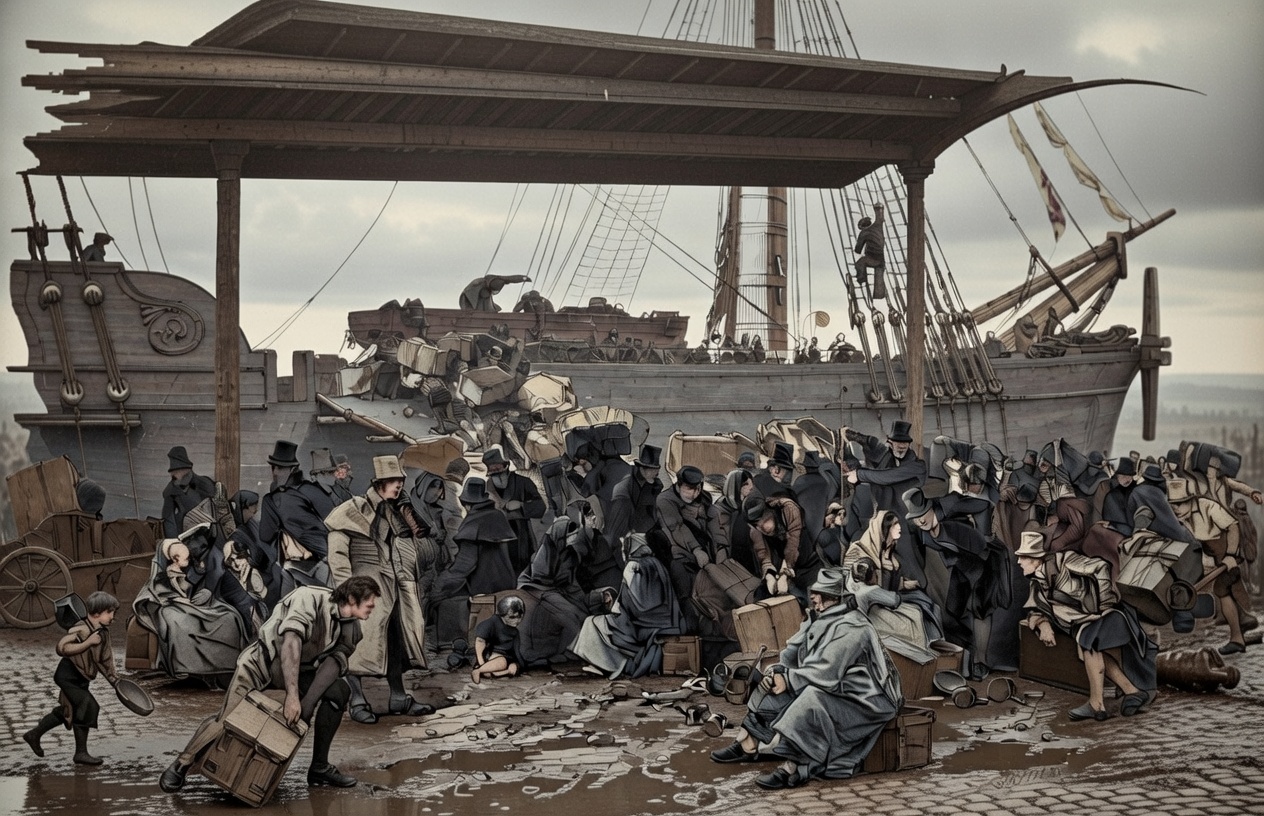
starvation and disease. Two million more emigrated, crammed into
vessels so crowded and squalid that they became known as "coffin
ships." Ireland's population, which had stood near 8.4 million in
1844, fell to 6.6 million by 1851. The demographic decline continued
for another century, as emigration became a permanent feature of
Irish life. By the 1920s, Ireland's population was barely half of
what it had been before the Famine.
The political consequences were equally lasting. The resentment of
British rule, sharpened by the conviction that the Famine had been
allowed to happen—that food continued to be exported from Ireland
even as people starved—fueled Irish nationalism for generations.
The Irish independence movement, the Easter Rising, the formation of
the Irish Free State: all have roots in 1845.
India: When the Loom Moves Overseas
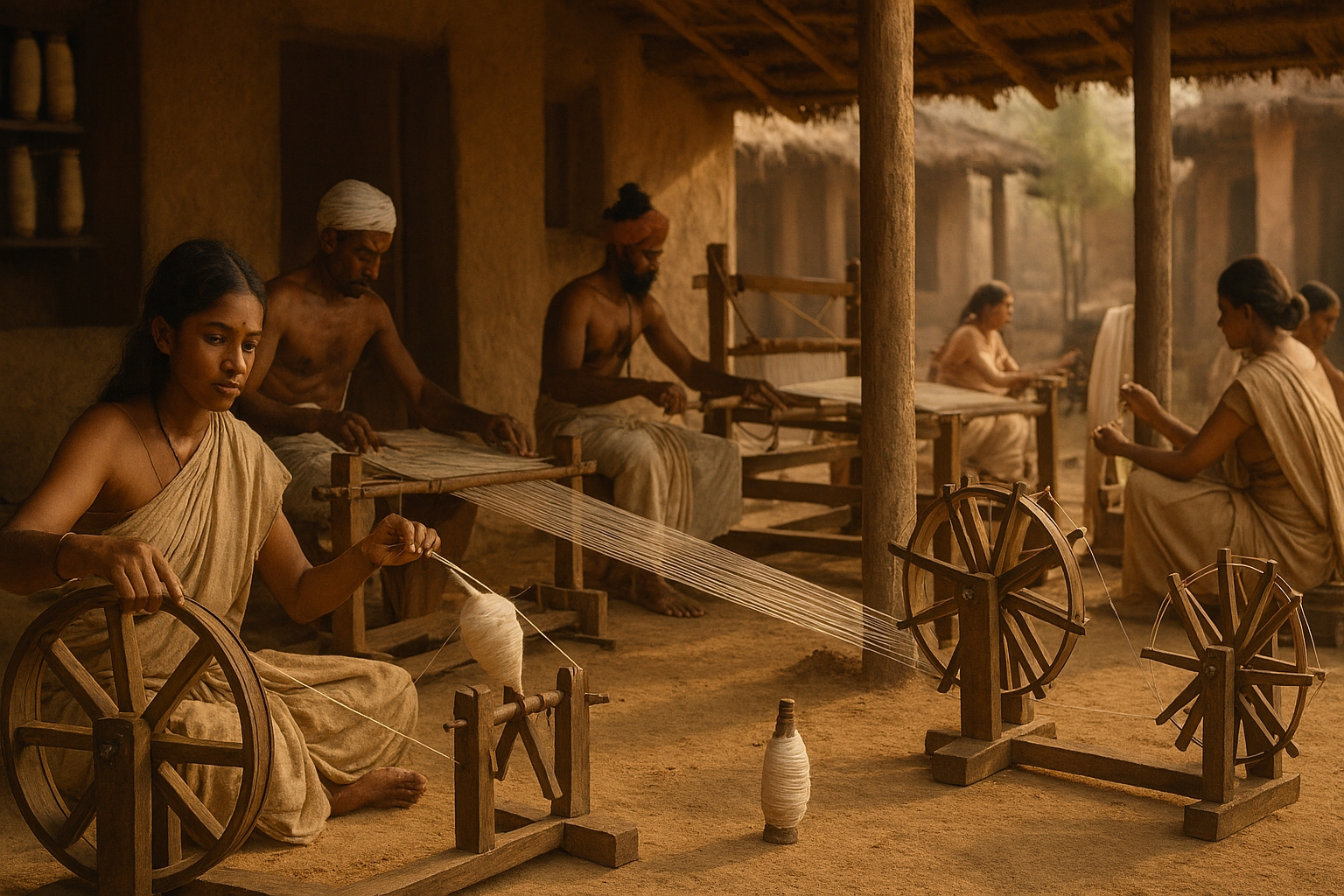
If Ireland was the part of the British world that industrialization
passed by, India was the part it actively dismantled. Before 1750,
India was one of the world's great textile producers—some historians
estimate it accounted for roughly 25 percent of total global industrial
output. Indian muslins and calicoes were exported to Europe, where
they were so popular that British wool merchants lobbied Parliament to
restrict their import. Which Parliament duly did, as early as 1698.
The story of what followed is not simply one of technological
competition. It is also a story of deliberately engineered advantage.
Indian textiles exported to Britain faced tariffs as high as 70 to 80
percent. British machine-made textiles entering India faced no
comparable restriction. The East India Company, which governed much
of the subcontinent, redirected land use toward raw cotton production
to feed British mills, replacing food crops and dismantling the
conditions in which Indian manufacturing had thrived. By the middle of
the 19th century, India had lost virtually all of its export market
and much of its domestic textile market to British factories. Its share
of world industrial output had fallen from roughly 25 percent to about
2 percent by 1900.
The human cost was millions of weavers and artisans—including
many women, for whom spinning had been a major source of
income—forced off their occupations and back onto the land. The craft
knowledge accumulated over generations largely disappeared. India
would not begin to rebuild a significant industrial base until after
it achieved independence in 1947.
Japan and China: Two Responses to One Challenge
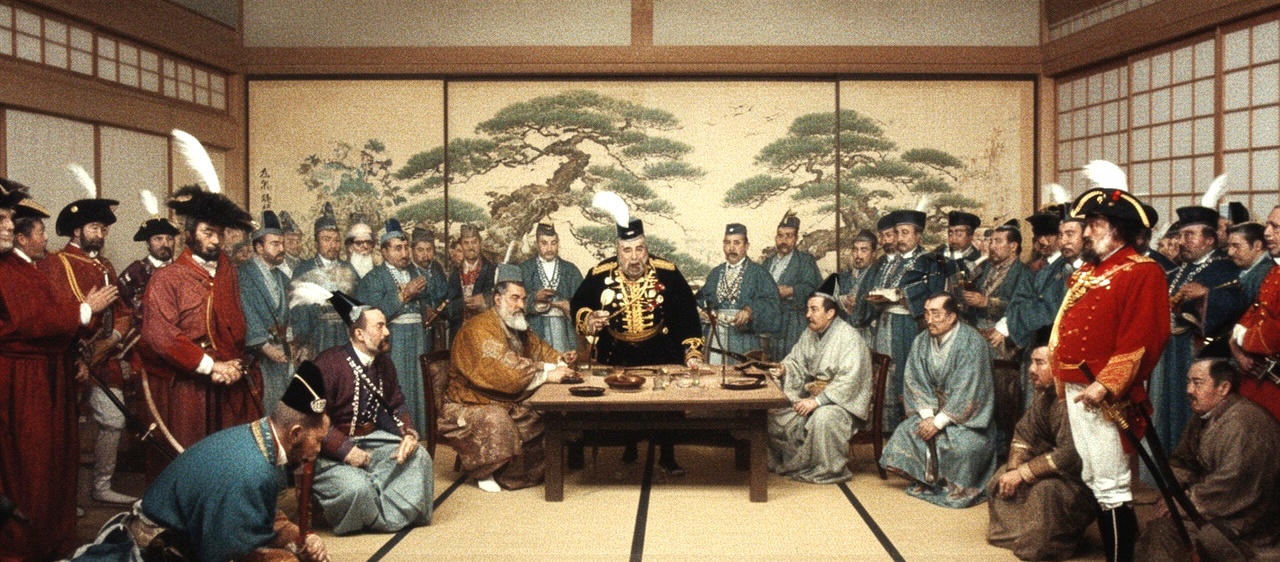
When Western industrial nations—armed with steamships, railways,
and factory-made goods—began pressing into Asia in the 19th
century, China and Japan faced essentially the same challenge. Their
responses could hardly have been more different.
China's rulers, the Qing dynasty, recognized Western technological
superiority but viewed it as something that could be adopted
selectively, like using a cellphone while continuing to light with
kerosene oil lamps. The result was the "Self-Strengthening Movement" of the 1860s
and 1870s, which imported Western military technology and some
industrial machinery while keeping the traditional Confucian
bureaucracy and social structure intact. It didn't work. China lost
its 1894 war with Japan—which had been industrializing for barely
25 years—and the shock of that defeat finally triggered more
serious reform efforts. But the Qing dynasty fell in 1911 before
those reforms could take hold. China's industrial transformation
would be delayed for another half-century.
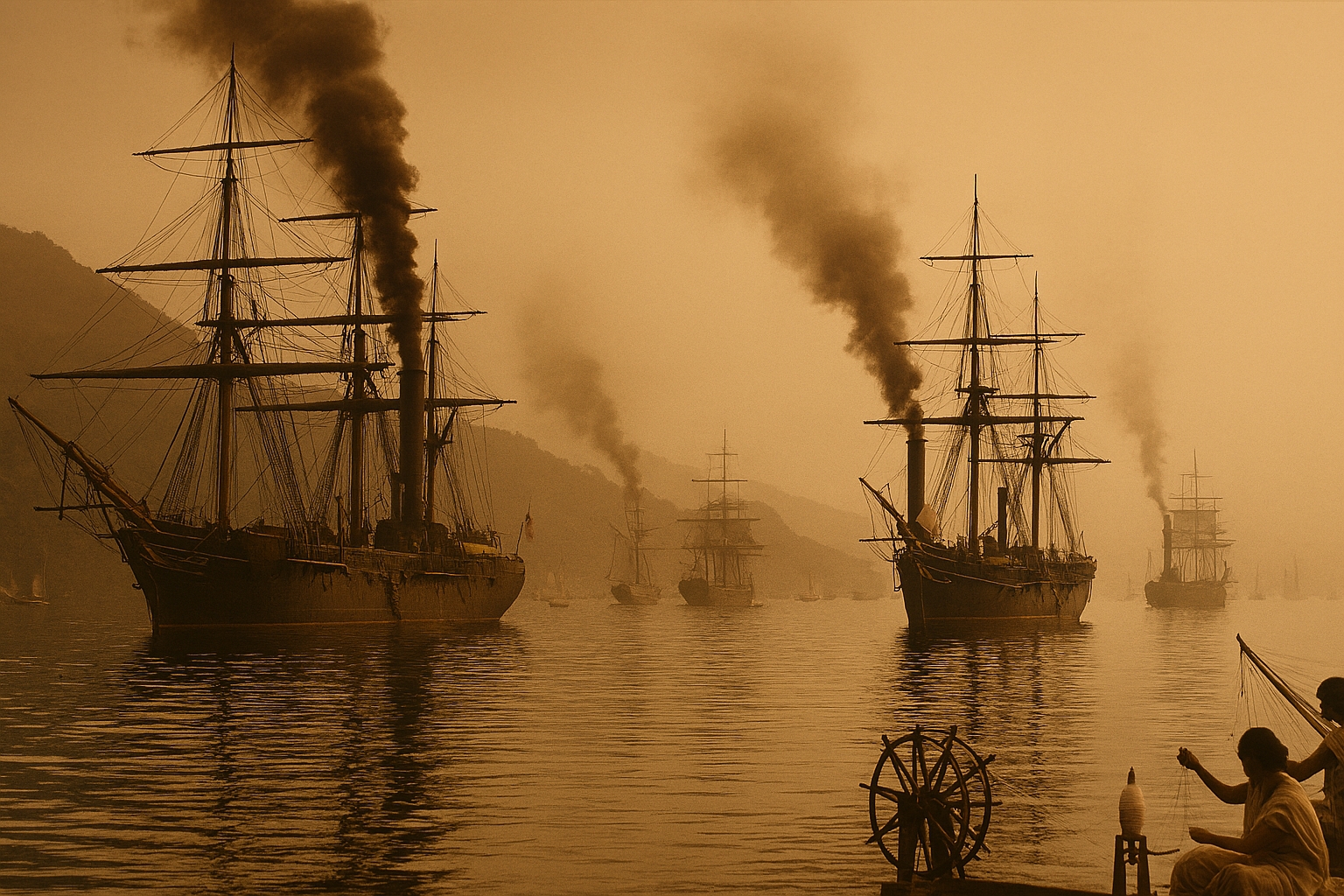
Japan's response was radically different. In 1853, Commodore Matthew
Perry sailed a squadron of American steam-powered warships into Tokyo Bay and, not
entirely diplomatically, requested that Japan open to trade. Japan's
leaders looked at what was happening to China—carved up by European
powers, humiliated into unequal treaties—and drew the obvious
conclusion: industrialize or be colonized. The result was the
Meiji Restoration of 1868, in which reformers overthrew the old
feudal shogunate and launched one of the most rapid national
transformations in history.
The Meiji government sent missions to Europe and the United States to
study their legal systems, schools, factories, railroads, and armies.
It built state-owned shipyards, iron smelters, and spinning mills,
then sold them to private investors. It established a national
education system, imported over 3,000 Western teachers and engineers,
and sent thousands of Japanese students abroad. Within two decades,
Japanese textiles were competing with British goods in Asian markets.
By 1905, Japan had defeated Russia—a major European power—in
open warfare. The country that Commodore Perry had treated as a
curiosity had become an industrial nation.
Progress and Its Discontents
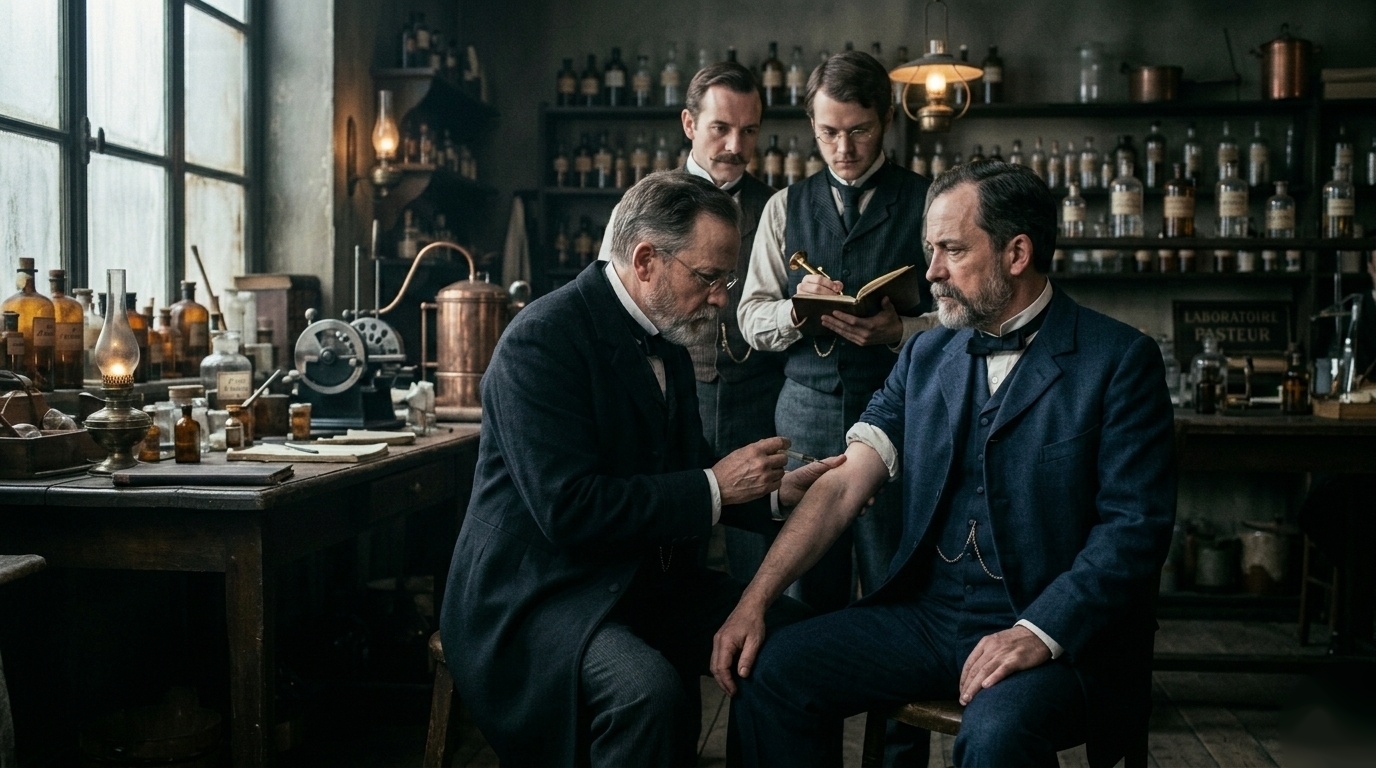
The Industrial Revolution is a genuine paradox, and any honest
accounting has to hold both sides of it at once.
On one side: the losses are real and not trivial. Traditional crafts
and the communities built around them were destroyed. The early factory
system subjected workers—including children—to conditions of
exhaustion, danger, and degradation that would shock us today. For the
people displaced by machines, for the Irish starving while food was
exported from their country, for the Indian weavers watching their
livelihoods disappear, the Industrial Revolution was not a triumph.
It is worth sitting with that discomfort.
On the other side: the long-run improvements in human welfare are
almost incomprehensibly large. Life expectancy in Britain in 1750
was around 37 years. By 1900 it was over 46, and climbing fast.
By 2000 it exceeded 77. Infant mortality, once so high that parents
routinely lost several children, all but disappeared. Famines, which had
periodically devastated even prosperous European regions for
millennia, became rare and then nearly impossible in industrialized
nations. The medicines, the sanitation systems, the refrigeration,
the clean water infrastructure, the mechanized food production—all
of these emerged from the industrial and scientific tradition
that the Revolution started.
The people who suffer the disruption of a technological revolution are
rarely the ones who benefit from it. The handloom weaver displaced in
1820 did not live to see his grandchildren eat cheaply, travel widely,
and survive infections that would have killed him. This is not a
comfortable fact. It is, however, a persistent feature of history:
the cost is paid by one generation; the benefit is collected by
a subsequent one.
Whether that bargain is worth it is a question that each era has to
answer for itself—and usually has to answer without fully knowing
what is being traded away, or what is being gained. The people of
the Iron Age didn't know they were laying the groundwork for steam.
The inventors of steam didn't know they were laying the groundwork
for electricity, or computing, or whatever comes next. We are living
in the middle of several of these transitions simultaneously,
accelerating at speeds that would have been inconceivable even a
generation ago.
In that sense, the Industrial Revolution isn't a story that ended.
It's the story we're still in.
And yet, for all the roar of pistons and the glow of furnaces, steam was only the prologue.
Experimenters like Benjamin Franklin found hints of a stranger power—energy
that could flow without flame, light a city from a single dynamo, and turn night itself into an extension of day.
As sparks replaced boilers and currents replaced gears, humanity approached a threshold where power
would no longer be made but summoned. In the next chapter, we'll step into the quiet brilliance of the
Electrical Age.