|
By: Agnes Steinberg |
|
|
Page Views: 25 |
| Hashtags: #AgnesSteinberg #Yonkers #NewYork |
| Chapter 5 of my dead ex-mother-in-law's memoirs. |
| Estimated reading time: 6 minute(s) (1369 words) |
Here blossomed an interior fairyland in which the senses might
revel. Ears listened to the musical dripping and splashing of a huge
center fountain whose myriad fine jets, illuminated by sparkling
lights, played out in all directions and sprinkled the ferns planted
around.
Encircling the ferns, a great circular counter displayed
unbelievable amounts of candy upon which eyes might feast and mind
speculate while the sweet, tart and creamy flavor of a strawberry
soda quenched one's thirst.
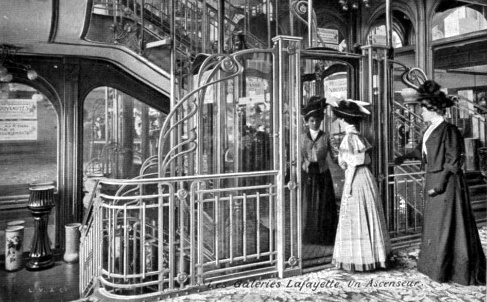
As if this were not enough stimulation, the walls of this glittering
spot offered still another thrill. For they had been fashioned of
tall metal shafts in which, trapped in open-work gilded cages, like
animals in a zoo, solemn groups of humanity rose and descended
precariously, in response to the pull of slow-moving cables, and
much to the fascinated delight of those safely sipping refreshments
below. (No wonder the slogan, "Meet me at the fountain!") Truly, it
was too much! Heavy lids began to droop; my head to nod, my shoulder
to ache for the softness of my own little pillow at home.
Departure
Then came years when mid-June found us requesting Adams Express
Company to call for luggage and deliver it to Westhampton. Several
well-to-do customers had houses on the ocean front there or in towns
nearby. The dressmaking trade followed.
Our summer dwelling was not in the fashionable section but about
a mile inland from the shore. An elderly couple rented us their
furnished farmhouse and moved, for the summer, into an older
homestead on the same large property. Advantages derived from this
triangular arrangement were not to be denied. For us, there was a
continued source of income and a summer in the country; for the
customers, the close proximity of Aunt Mary's skillful hands.
What a to-do of preparation took place! Trunk after trunk was
filled with linens and clothes, the overflow being packed into a
huge straw hamper, its lid bound tight with ropes. Windows were
closed; awnings lowered and tied, so that metal frames would not
puncture panes nor cloth rip.
Just before the apartment was left in semi-darkness with
padlocked doors, at the very last moment, the birdcage was lifted
from its bracket and protected with a dark cloth to shield the
sensitive little inmate from the terrors of the journey. How
thoroughly dismayed was Molly the cat by all this confusion in her
usually tranquil world! How shattered her feline dignity when
hastily lifted by the scruff of the neck and stuffed into a hat box
punctured with air holes. Nor could the affront be easily dismissed
because the box contained a bit of meat and marrow bone for
consolation in her seclusion.
Last minute pick-ups and lunch were wrapped; a collection of
umbrellas tied together. This assortment of possessions was then
distributed among the members of the family. Finally—we were ready
to leave!
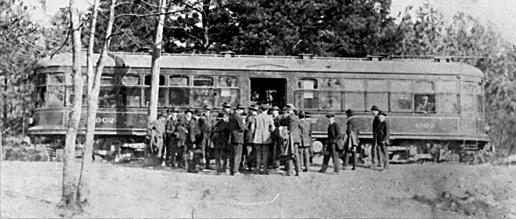
A trolley approached gaily down the avenue, lurching from side to
side. The motorman twirled the metal handle of his controls with
finesse born of long experience. His world was rosy; the coast was
clear. He whistled his favorite tune. A sudden frown appeared, a
furrow deepening between his eyes; the ditty ended on a high,
unfinished note. Our party had been spotted. The trolley slowed and
came grudgingly to a halt. If it was to continue on its way, there
was nothing for the motorman and conductor to do but assist in
hoisting aboard our group of four, with its bundles and live-stock.
After our arrival at Pennsylvania station, there was much nervous
checking of tickets, timetables, etc. and numerous trips to the
water fountain before we finally struggled through the opened gates
and down the ramp to sink at last onto the red plush cushions of a
waiting train. With many a groan and heave, the family tree had been
uprooted for transplanting to another soil.
Certainly a summer on Long Island could not warrant such
magnitude of preparation. Central Africa or the mountains of Tibet
must be the fitting destination!
Arrival
Before seven that evening, the conductor walking through the cars
announced "Westhampton! Westhampton!" The brakes uttered a little
screech; the coaches shuddered. A footstool placed beneath the
lowest step helped us to alight.
Backed against the platform were several carriages, their lamps
already lighted. One or two cumbersome autos of early vintage stood
awkwardly nearby. The public coach with luggage rack on top and
drawn by two horses waited for those passengers who would not be met
by private conveyance. Walking towards us, his rough, brown hand
extended, a suit coat covering his work shirt and overalls out of
respect for our arrival, came Mr. R.. The welcome in his bright blue
eyes he did not need to voice.
The train had more important business to attend to and would not
be bothered by these trifles. With a shrill whistle and a few snorts
it waved its plume of gray and salmon-colored smoke and disappeared
around the bend. It would return for us in the fall.
The autos had lumbered off; the last of the carriages was
following in clouds of dust. We looked around. This was, indeed, a
different world, and one less ancient and less worn. Across the
nearby fields a counterpane of daisies had been thrown. Neither day
nor night could claim the moment for its own, and silence was a part
of everything.
Jed the horse, his mind on oats and hay, stamped impatiently and
neighed. We filled the carriage to capacity. The reins were lightly
slapped across his haunches; the harness strained, the carriage
creaked and moved. Our way led over fields and through the woods
where hazel branches reached in to touch us on the arm. At the
cemetery gate, tall cypresses eyed our passing with suspicion while
they stood guarding ancient tombstones sagging and awry. Wheels
ground the sandy soil. Jed trotted on. Long shadows stretched across
the pond and crickets chanted in the lonely evening.
How friendly was the news of ten long months concisely reported
as we rode! The winter had been long and hard. Old Mr. Smith had
passed away in March. The Browns' son was home from his first year
at college. Our garden was all planted. Mary Ann had eloped with the
grocery boy. There was a new dog on the farm this year.
Jed felt the load heavy as he brought us over the crest of the
hill onto Old Country Road. There was the hedge still framing the
low, white farmhouse; lights shone from the windows, the smoke of a
wood fire rising from the chimney. Beneath the grape arbor, her old
face creased into a thousand lines of joy, her arms outstretched to
greet us, stood "Aunt" Ida.
What a furious barking and jumping took place! Gyp, the new water
spaniel, resented these strangers, while Rod circled the carriage
waving his tail at the smell of old friends. Tommy Cat sat in his
favorite spot atop the covered rain barrel, as though he had not
left it since September. His plume-like tail swayed gently while he
carelessly scrubbed his whiskers with his paw. Now he stopped, paw
arrested in mid-air, eyes cool with recognition as Molly jumped from
her hat box and stretched luxuriously before him. Roddie, too,
brushed gallantly against her to renew last summer's friendship. But
Gyp had to be chastised for ungentlemanly snarls.
The oak tree spread its arms above; the night chill deepened as
we stood outside the kitchen door. Here we belonged. This was our
"second home".