|
By: Paul S Cilwa |
Posted: 9/26/2025 |
|
Page Views: 97 |
| Hashtags: #Species #Hybrids #Hominids #Neanderthals #Denisovans #HomoSapiens #Evolution #HumanAncestry #Genetics #Chromosomes |
| The difference between species, subspecies, and hybrids explained. |
| Estimated reading time: 4 minute(s) (913 words) |
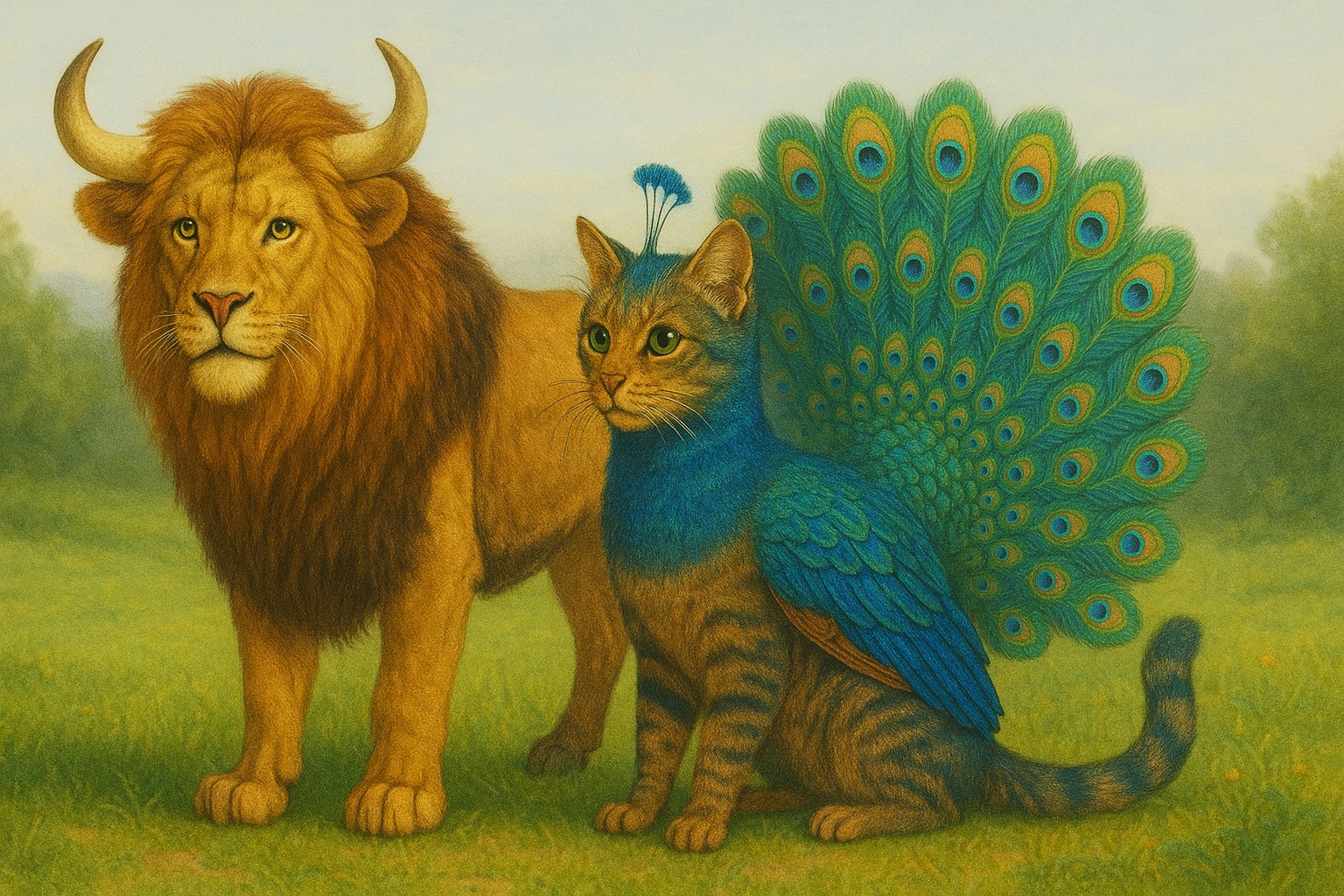
When I was in 9th grade science class, I learned that a "species" was a group of animals that could
reproduce with each other but not with any member of another species. In other words, no chimeric
lion/cows or dog/cats. Then I learned about mules, and I had to amend my internal definition of a
"species" so that, if a hybrid could be produced, it would be sterile, unable to pass its hybrid
DNA on to future generations.
But at the same time, I learned that "Neanderthals" and humans were different species, which to me
meant they couldn't reproduce, any more than a human and a chimpanzee. Decades later, when I first
read Clan of the Cave Bear, with its mixed Neanderthal/Cro-Magnon baby, I was puzzled. Was
this just Jean Auel's imaginative license, or had my teachers been wrong?
Turns out, they were wrong—or at least, oversimplifying. Now we know that
Homo neanderthalensis and Homo sapiens could, and did, produce fertile hybrid
offspring—because we are their descendants. Every person alive today outside of Africa
carries a few percent of Neanderthal DNA. And in parts of Asia and Oceania, many of us also
carry Denisovan DNA, from another archaic cousin. These ancient peoples live on in our very cells.
What's a "hominid"?
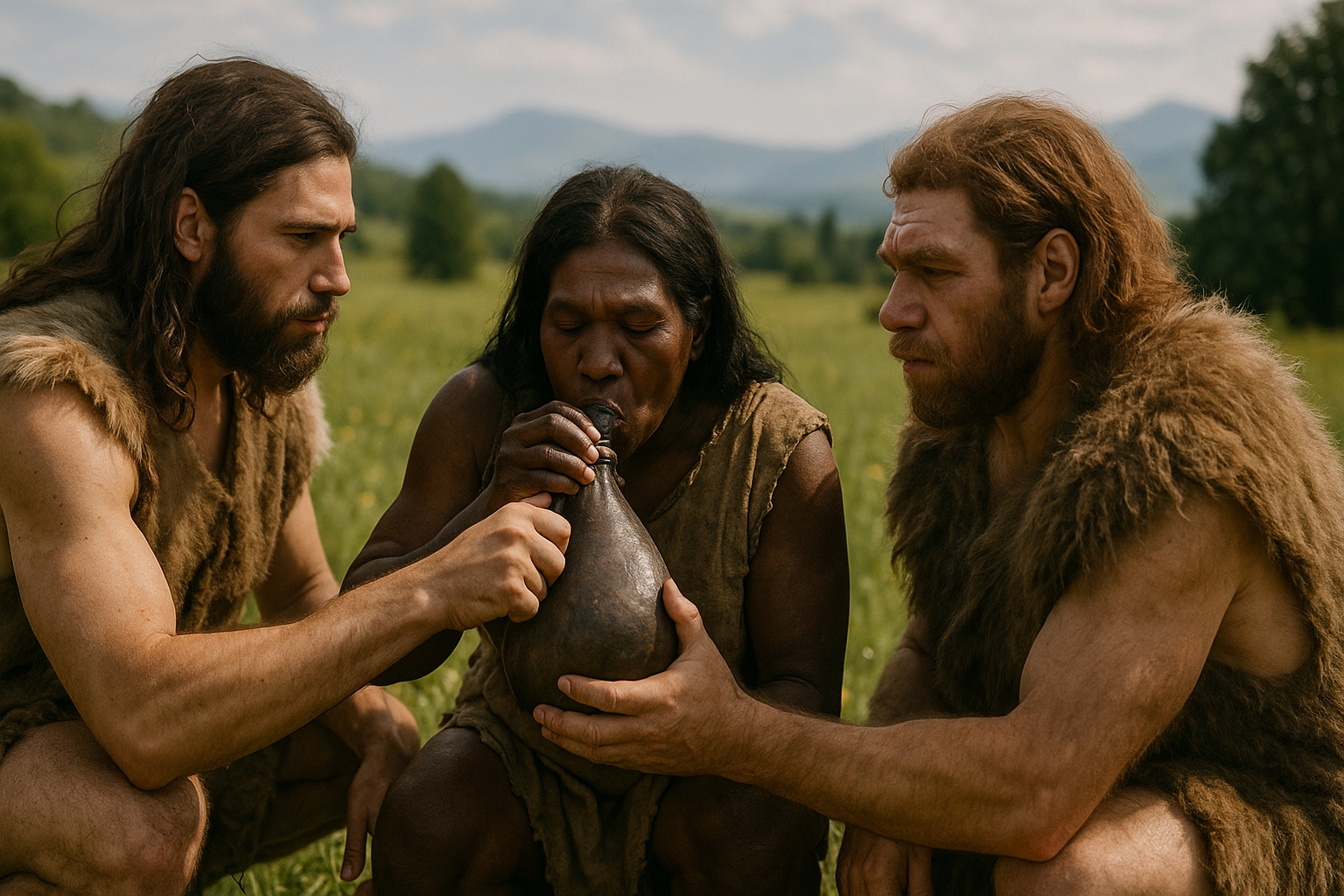
Neanderthals were first recognized in 1856 from bones found in Germany's Neander Valley.
Stocky, cold-adapted, and with brains larger than ours, they lived across Europe and western
Asia until about 40,000 years ago.
Denisovans were a surprise guest at the family reunion: identified in 2010 from a single
finger bone in Denisova Cave, Siberia. We still don't know exactly what they looked like,
but their DNA shows they interbred with both Neanderthals and modern humans.
Other hominids—like Homo floresiensis ("the Hobbit") in Indonesia and Homo naledi
in South Africa—remind us that our lineage was once a crowded neighborhood, not a lonely road.
So are Neanderthals and Denisovans "species" or "subspecies"? That depends on which scientist you ask.
Some classify them as Homo sapiens neanderthalensis and
Homo sapiens denisova—subspecies of us—precisely because they could interbreed.
Others keep them as separate species, emphasizing their distinct anatomy and evolutionary paths.
The truth is, "species" is a human-made category trying to box in a messy, fluid reality.
No, no, a thousand times, no!
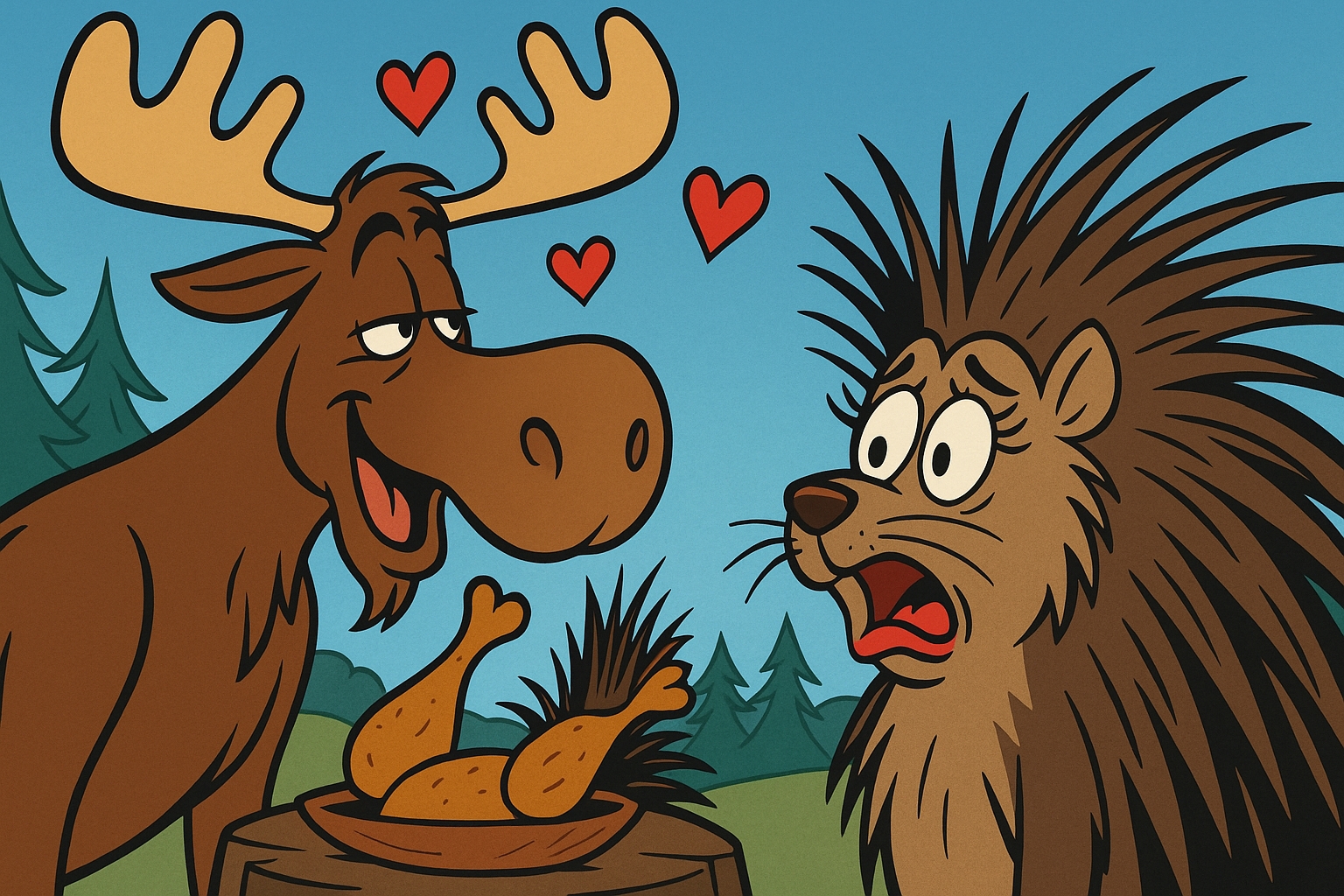
To start with, many different species are simply physically incompatible with
each other. Forget DNA for a moment—we're talking about the kind of incompatibility
that's obvious before anyone even gets to second base.
Take whales and hummingbirds.
One weighs 150,000 pounds and sings underwater; the other weighs less than a penny
and drinks sugar water mid-hover. Even if they were romantically inclined (and let's
not judge), the logistics are laughable.
Or consider genital geometry. Some species
have corkscrew-shaped appendages, others have cloacas, and a few have evolved elaborate
mating dances that require synchronized acrobatics. Try matching a spider's pedipalps
with a dolphin's retractable bits and you'll quickly see the problem.
Then there's
habitat. A desert lizard and a deep-sea anglerfish might both be lonely, but they're
not meeting on Tinder. One basks on sunbaked rocks; the other lurks in pitch-black
trenches. Even if they could survive a date, they'd need radically different atmospheres,
temperatures, and pressure levels just to breathe.
And let's not forget timing.
Some species are nocturnal, others diurnal. Some breed once a year during a lunar
eclipse while others are perpetually ready. If your reproductive window is five minutes
every spring and your potential mate is hibernating, well… tough luck.
In short,
physical incompatibility isn't just about size—it's about the whole package: anatomy,
environment, behavior, and timing. Nature doesn't care about romance across species
lines. It cares about survival, and sometimes that means keeping the plumbing, the
choreography, and the calendars strictly species-specific.
Fertile hybrids and sterile ones
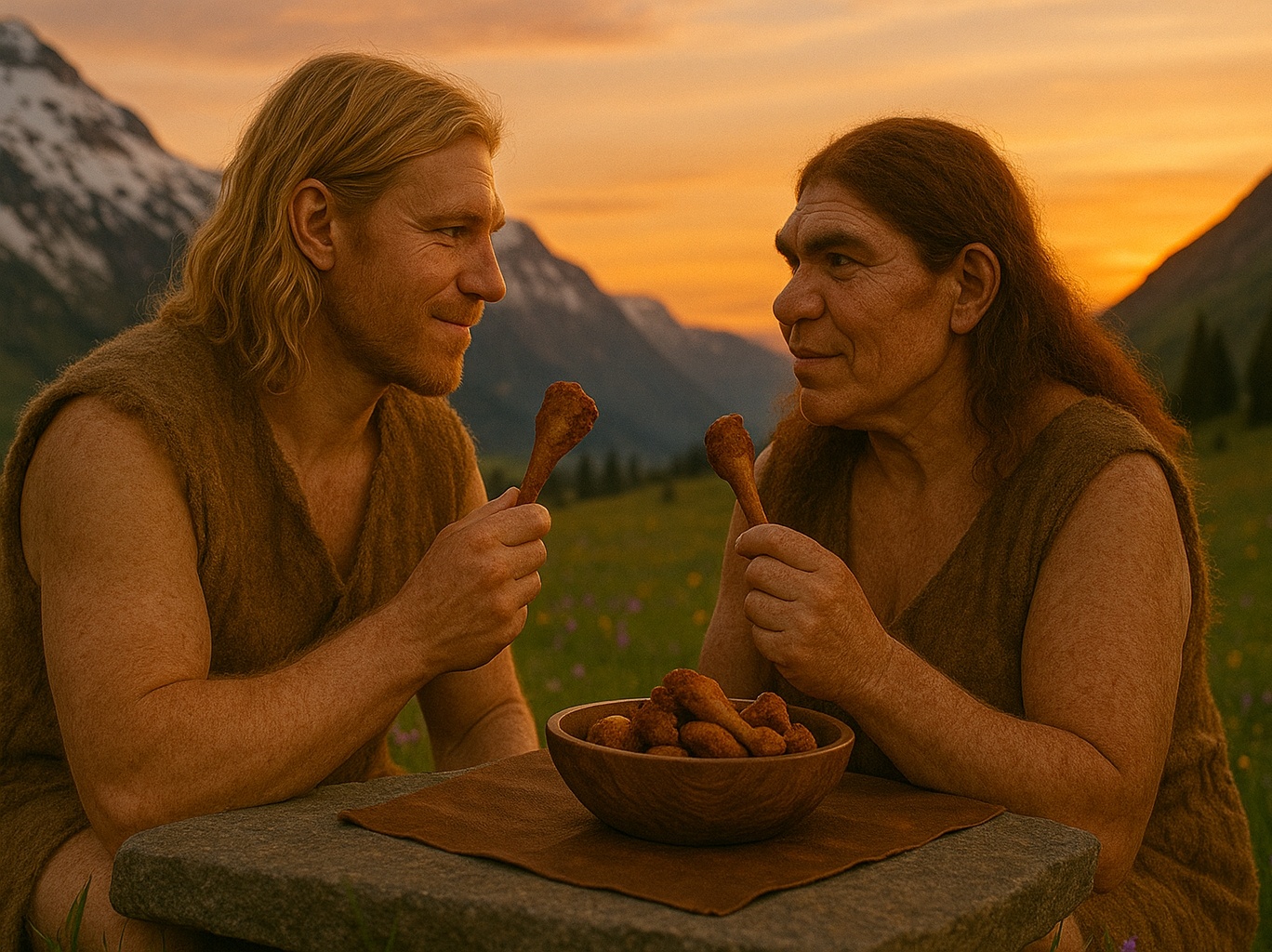
If Neanderthals and humans could produce fertile children, why can't horses and donkeys?
After all, they're both in the genus Equus. The answer lies in chromosomes.
Horses have 64, donkeys 62. Their hybrid, the mule, ends up with 63—an odd number that
can't divide evenly during reproduction. Result: sterility.
But not all hybrids are sterile. Wolves, coyotes, and domestic dogs—different
species on paper—can interbreed and produce fertile pups. Polar bears and grizzlies
now meet in the warming Arctic and produce fertile "pizzly" bears. Horse–zebra hybrids
("zorses" or "hebras") are usually sterile, but rare cases of partial or full fertility
have been reported—the rules bend, even if they don't break often.
Nature, in other words, doesn't care about our tidy definitions.
As a ninth grader, I thought science had handed me a neat little box labeled "species." But
the more we learn, the more the box leaks. Our own DNA is proof that the boundaries blur.
We are not the pure, separate species my textbook suggested, but a mosaic of ancient cousins,
carrying whispers of Neanderthals, Denisovans, and who knows how many others.
The real lesson? Categories are conveniences, not commandments. Life is messier, more entangled,
and more interesting than the definitions we invent to contain it.