|
By: Paul S Cilwa |
Posted: 4/8/2026 |
|
Page Views: 319 |
| Hashtags: #ScienceFiction #Predictions #Technology #SmartGlasses #AR #Implants #NFC #AI #Nanomedicine #AgingGratefully |
| On this, my 75th birthday, I reminisce about how many things I invented for writing have since become real. |
| Estimated reading time: 8 minute(s) (1857 words) |
Now, as a programmer in real life, I for realz had a part in the development of
the first email system
Email,
but that wasn't my invention. And as a 10-year-old kid in Vermont,
when I heard about televisions that could
show color pictures, the way I imagined it must work didn't actually become the way
they did work until
Sony introduced their Trinitron TV tubes in 1968. (The way the first RCA sets worked
was so Rube Goldberg you'd never believe it could even—!)
But I didn't tell anyone or write about it, so that doesn't count.
I don't think this is because I'm particularly brilliant. I think it's because I am
very observant. And I remember what I observe, and I am good at finding
patterns and making educated guesses as to what consequences will likely come from
what I am observing. The day I read the first popular book on computer programming
I'd ever seen, I told my then-wife there would soon come a device that would listen for
your commands and control the air conditioning and TV volume. The year was 1977,
37 before Amazon released Alexa in 2014.
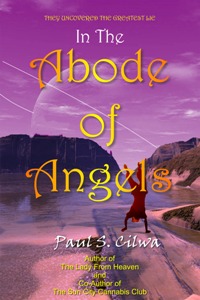
So, in 2013, I published
The Abode of Angels, a science fiction novel in three parts:
Distopia, Utopia, and syntopia. The future tech comes from
a distopian future Earth, where a single global corporation has grown to swallow
governments, wormholes connect Earth to alien worlds, and
everyone walks around wearing computerized glasses. The story opens with a "Brief Future History"
that maps out the next several decades of technological and political change. Some of my
predictions were deliberately outlandish. Others, I thought, were simply logical extrapolations.
Turns out, "logical extrapolation" is another way of saying "accurate prediction." Here's a look at
what I got right.
The Visor
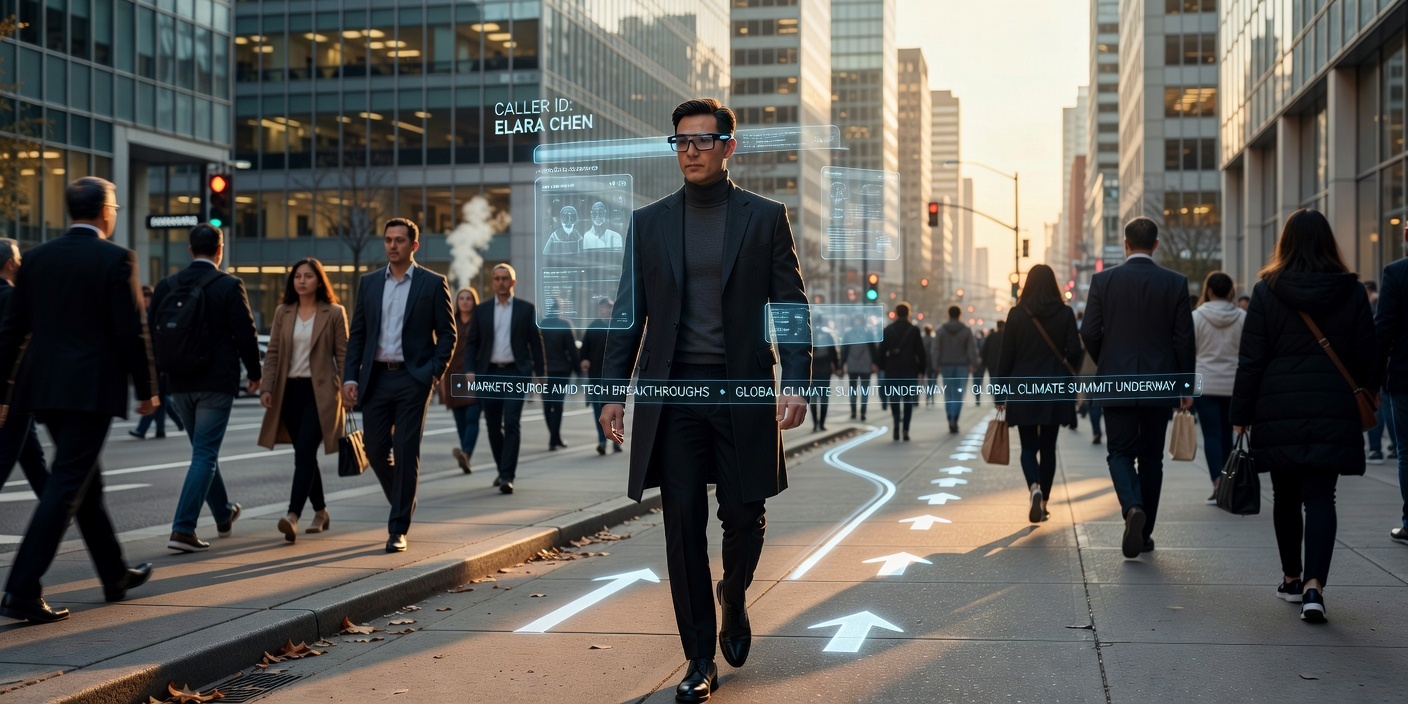
In the novel, everyone wears a device called the Visor. It combines the functions of cell phone,
television, radio, personal computer, Internet access, and sunglasses—all in a single pair of
frames worn on the face. It interfaces wirelessly with the wearer's implanted Chip, displays caller
avatars in the user's field of view, and lets you blink to interact.
When I wrote this, Google Glass had just been announced as a prototype. I took the concept and ran
with it, imagining a world where everyone wore such a device, where it replaced the
cellphone entirely.
Today we have the Apple Vision Pro, Meta's Ray-Ban smart glasses, Snap Spectacles, and Microsoft
HoloLens. Apple's headset tracks your eyes for navigation—gaze is the cursor, pinch is the click.
That's remarkably close to my blink-to-click interface. The Visor isn't here yet in its final form,
but the trajectory is unmistakable.
The Chip
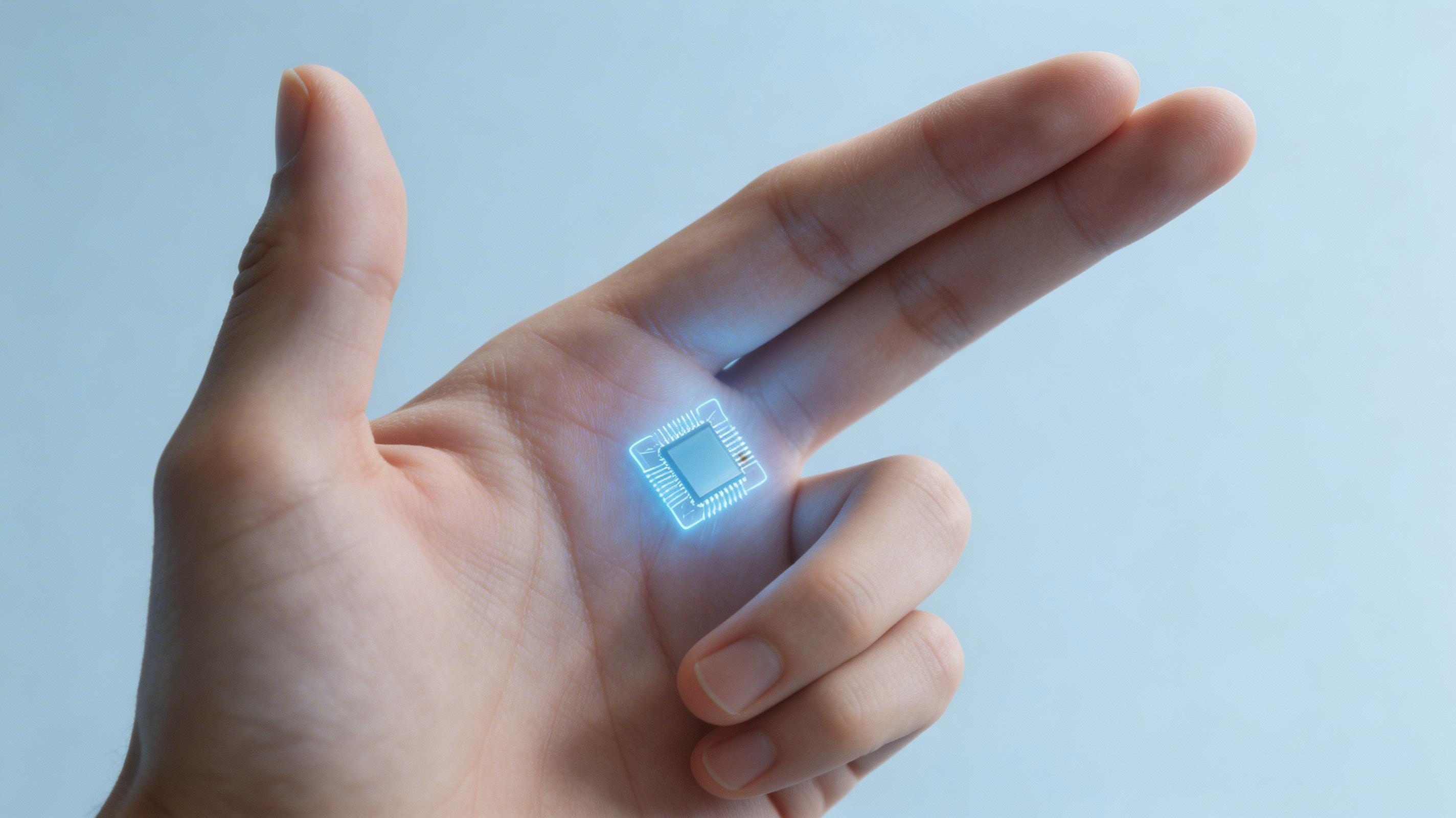
My novel's world runs on implanted microchips. Every newborn gets one. The Chip starts as a simple
tracker (the "s-Chip," for security) but quickly evolves to include driver's license, birth data,
health records, and bank connectivity. You can't buy a sandwich without one. Cash is obsolete.
In Sweden today, thousands of people have voluntarily implanted NFC chips in their hands. They use
them to unlock doors, board trains, and make payments. Amazon's "Just Walk Out" stores let you grab
items and leave without stopping at a register—your account is charged automatically, just like my
characters' Chips. Apple Pay and Google Pay haven't put the chip inside you yet, but the
phone in your pocket is doing exactly the same job.
Avatars for Video Calls
Because the Visor is worn on the face, it can't show the actual caller's face during a call. So in
the novel, each person creates an animated avatar that represents them. Joshua, my protagonist,
makes avatars as a hobby—his boss once got a talking chipmunk delivering her employee's deeply
distressed message.
Apple's Memoji, Meta's VR avatars, and Snap's Bitmoji do exactly this. Apple even reads your facial
expressions in real time to animate your avatar's face during FaceTime calls. The chipmunk would
fit right in.
Sub-Vocal Input
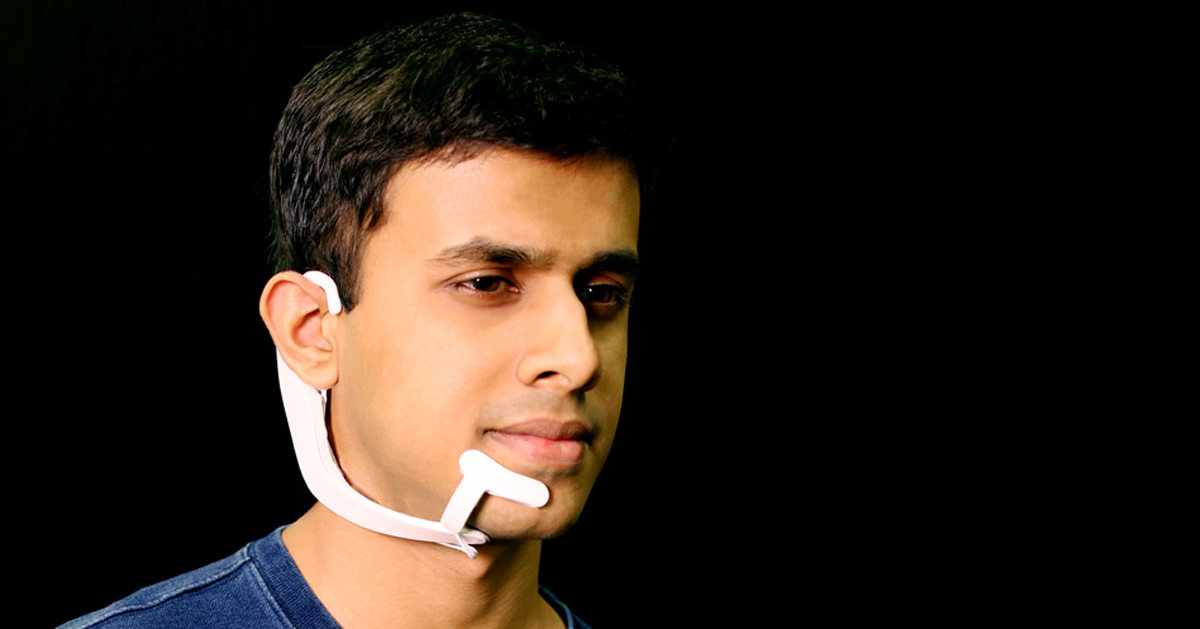
My characters can speak to their Visors without making a sound—a sub-vocal whisper that the device
picks up from tiny movements of the throat and jaw.
MIT's AlterEgo project, demonstrated in 2018, does precisely this. It uses electrodes on the jaw
and face to detect neuromuscular signals from "internal speech"—words you say in your head without
moving your lips. The device achieved 92% accuracy. Five years after my novel.
Autonomous Vehicles
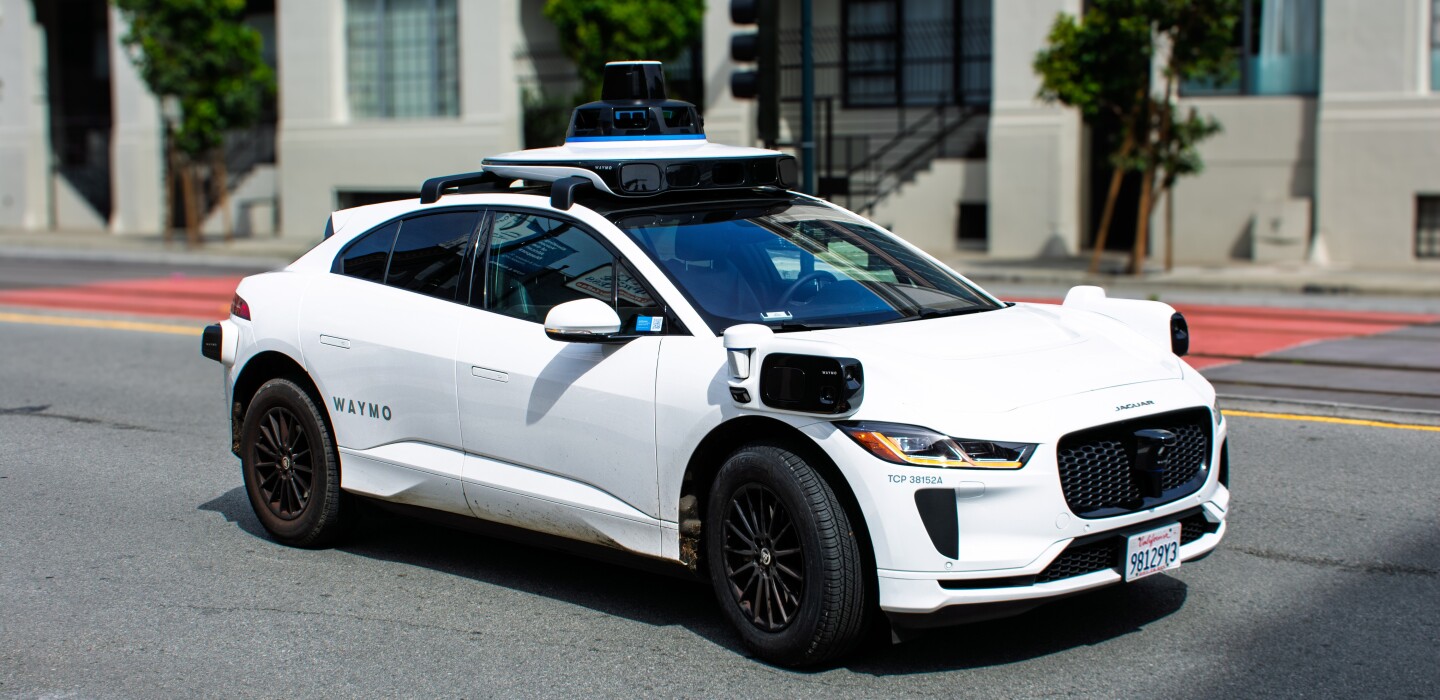
Cars in the novel have collision-avoidance radar and autopilot that takes over when the driver is
incapacitated. This was a minor plot point, not even a centerpiece of the technology.
Today every new car sold in the US is required to have automatic emergency braking. Tesla's Full
Self-Driving, Waymo's robotaxis, and Cruise's autonomous fleet are all variations on what I
described as background technology. I didn't even think it was worth lingering on. Apparently,
neither did the auto industry—they just built it.
Biometric Gun Locks

In a tense scene, a character discovers that a stolen weapon won't fire because it's keyed to its
owner's biometrics. Only the registered user can pull the trigger.
The Biofire Smart Gun shipped in 2024. It unlocks with a fingerprint or facial recognition. Exactly
what I described, down to the frustrated thief who can't use it.
Cashless Society and Identity Fraud
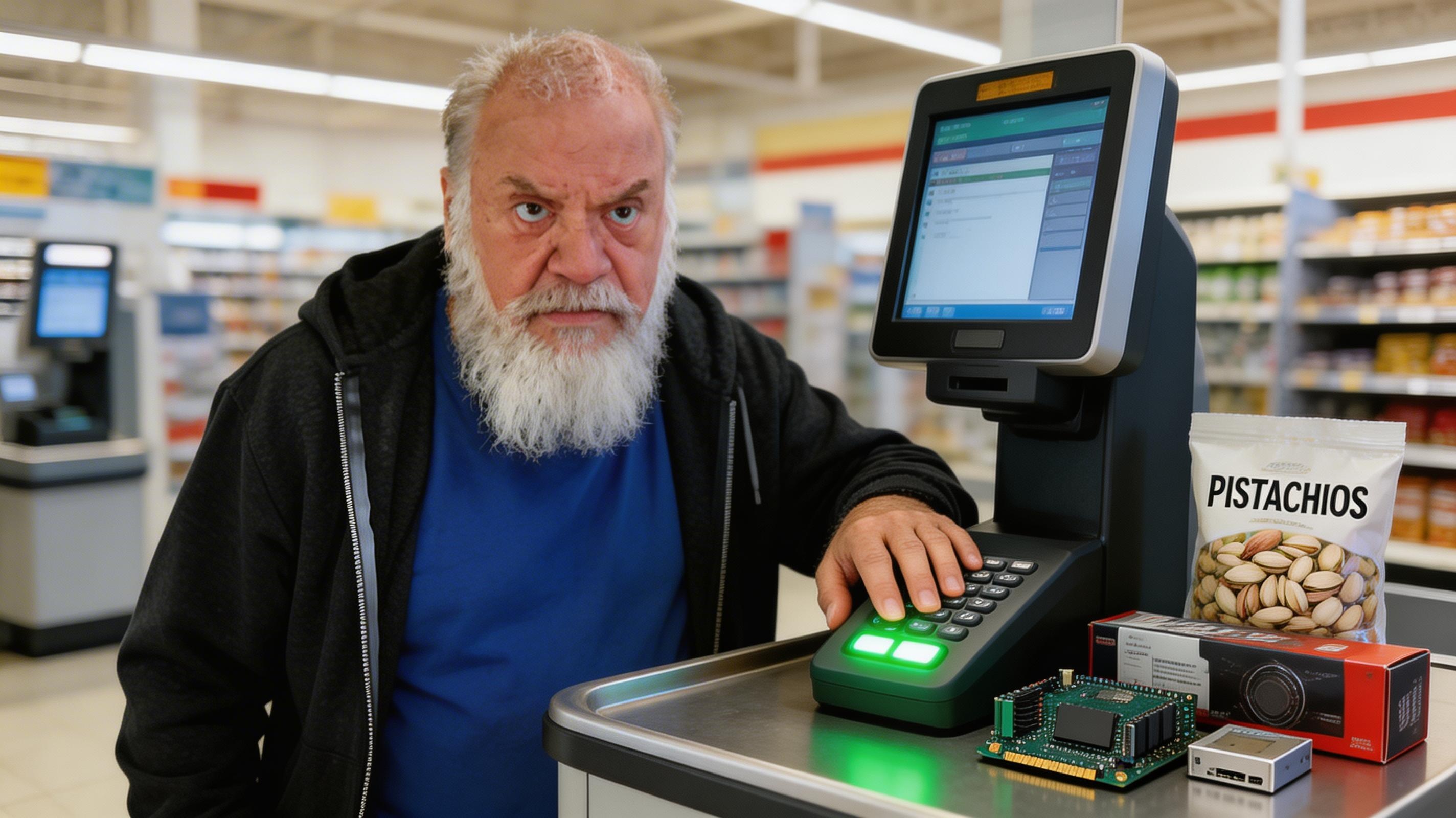
My novel's economy runs entirely through the Chip. No cash, no cards, no alternatives. This creates
a black market for fake identity chips—devices that spoof someone else's identity to make
purchases or evade surveillance.
We're not quite cashless yet, but the trend is unmistakable. Meanwhile, the Flipper Zero—a
handheld device that can clone NFC tags and spoof wireless signals—went viral in 2023. Identity
theft through digital treachery is now a billion-dollar criminal industry. I wrote it as dystopian
fiction. Reality treated it as a business plan.
Mass Surveillance and Keyword Monitoring
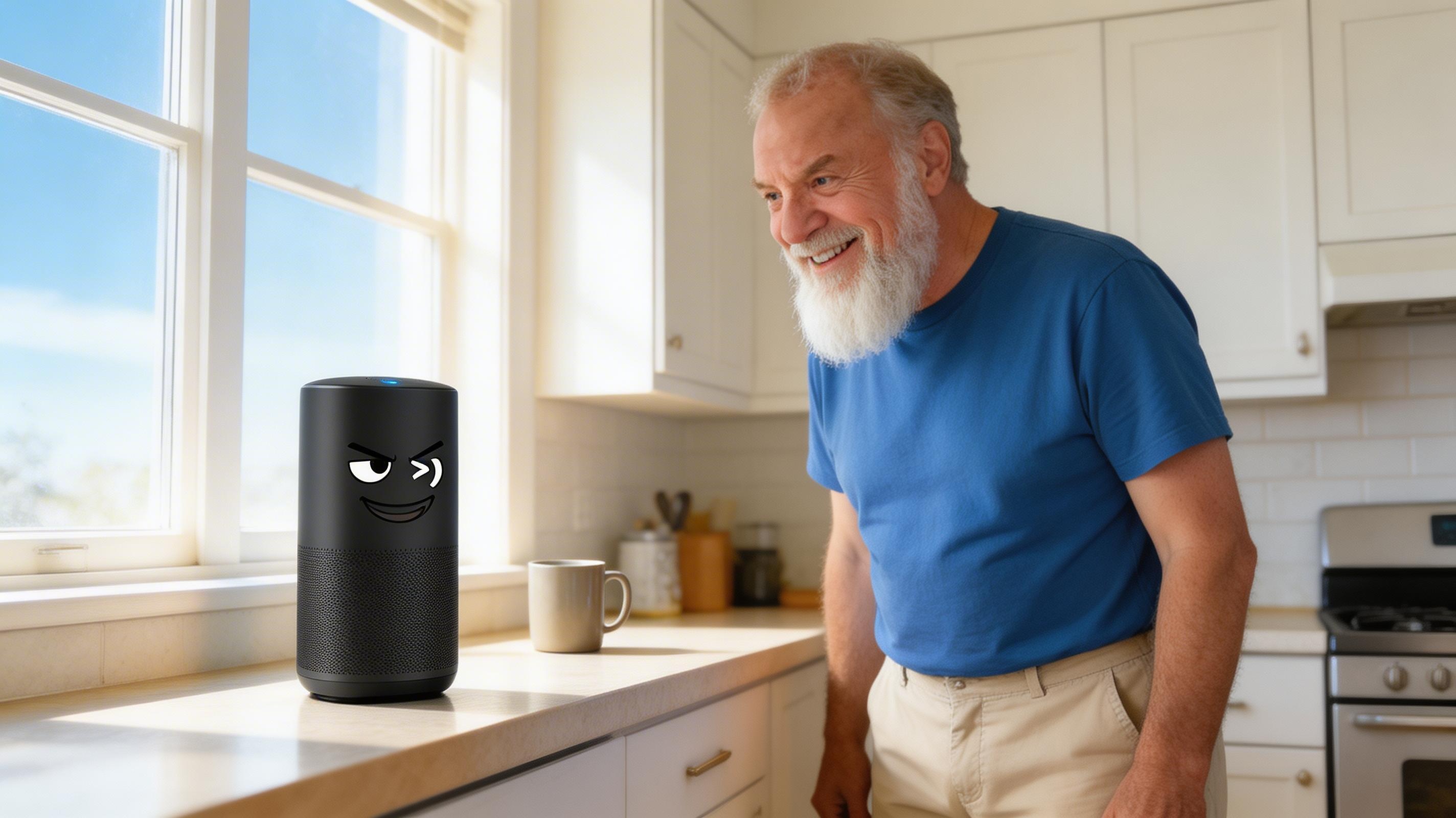
The novel's government (more precisely, its ruling "UniCorp" global corporation) monitors all communications, flagging
conversations that contain certain keywords. Characters learn to speak carefully, using euphemisms
and coded language to avoid triggering alerts.
Edward Snowden's 2013 revelations about the NSA's PRISM program—which came out the same year my
novel was published—confirmed that this was already happening. Today, the fact that smart speakers
are always listening for their wake word ("Alexa!") has made keyword monitoring a feature people
voluntarily install in their homes.
Nanomedicine
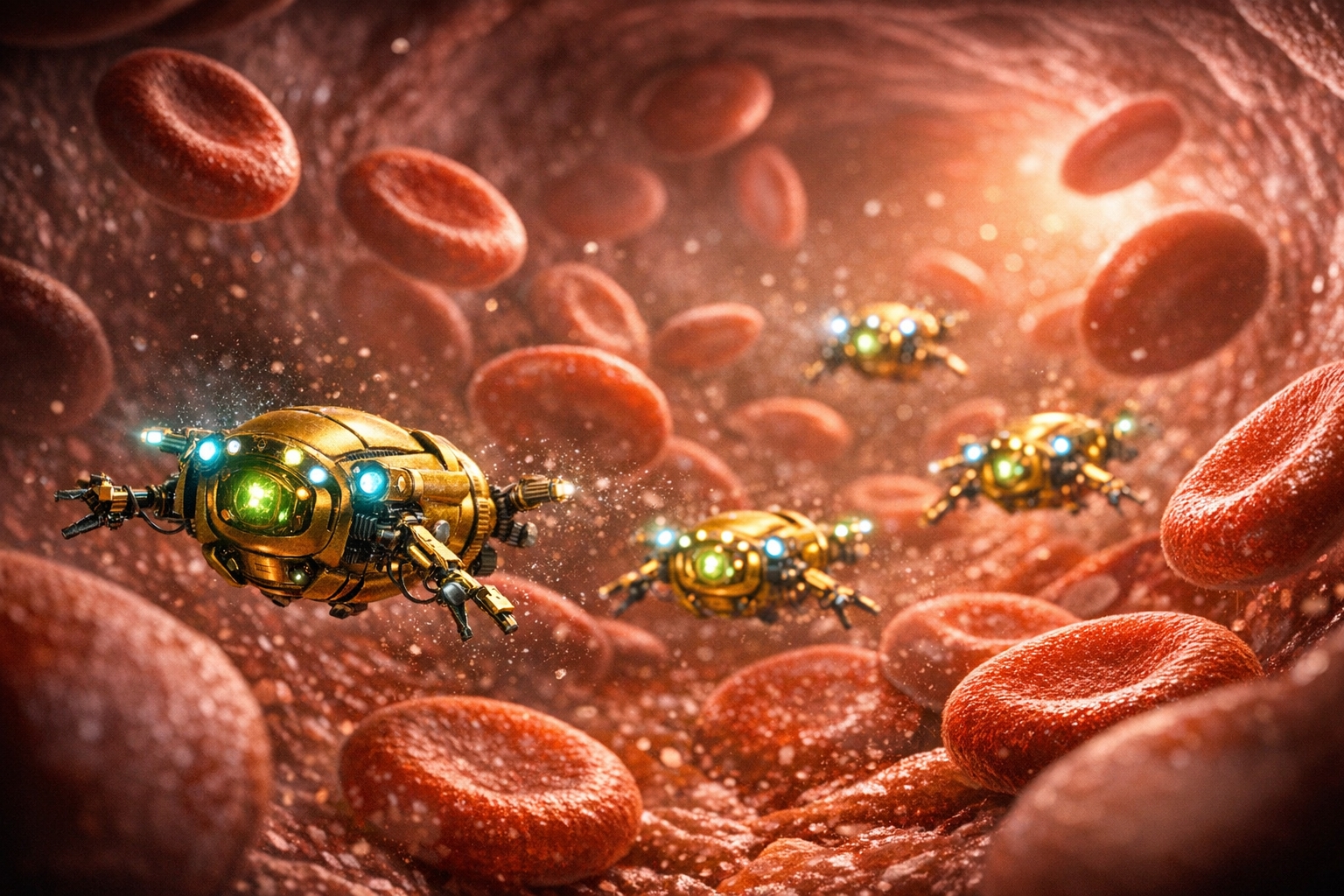
A major plot point involves nanites—programmable microscopic robots injected into the body that
can repair tissue, fight infections, and even rebuild damaged organs from the inside.
Nanomedicine is now an active field of research. DNA nanorobots have been tested in animals,
successfully delivering drugs to tumors. In 2022, researchers at the University of New South Wales
created nanobots that can navigate inside the human body. We're not at "rebuild an organ" yet, but
the nanites are on their way.
Wireless Power Transmission
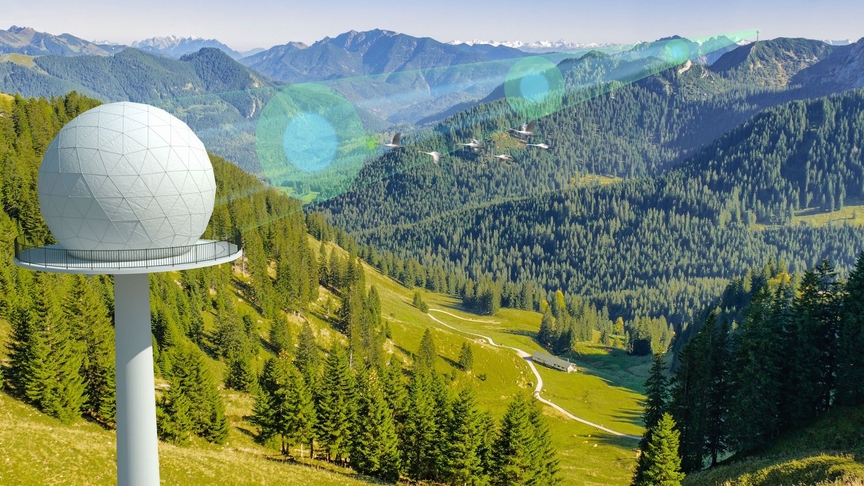
The novel features "power pyramids"—devices that broadcast electricity wirelessly, inspired by
Nikola Tesla's Wardenclyffe Tower. Characters in remote locations set up a small pyramid and have
power without wires or generators.
New Zealand-based Emrod demonstrated long-range wireless power transmission in 2020. WiTricity is
commercializing wireless charging for electric vehicles. The pyramids aren't here yet, but Tesla
would be pleased to know his idea finally has traction.
Wormhole Physics
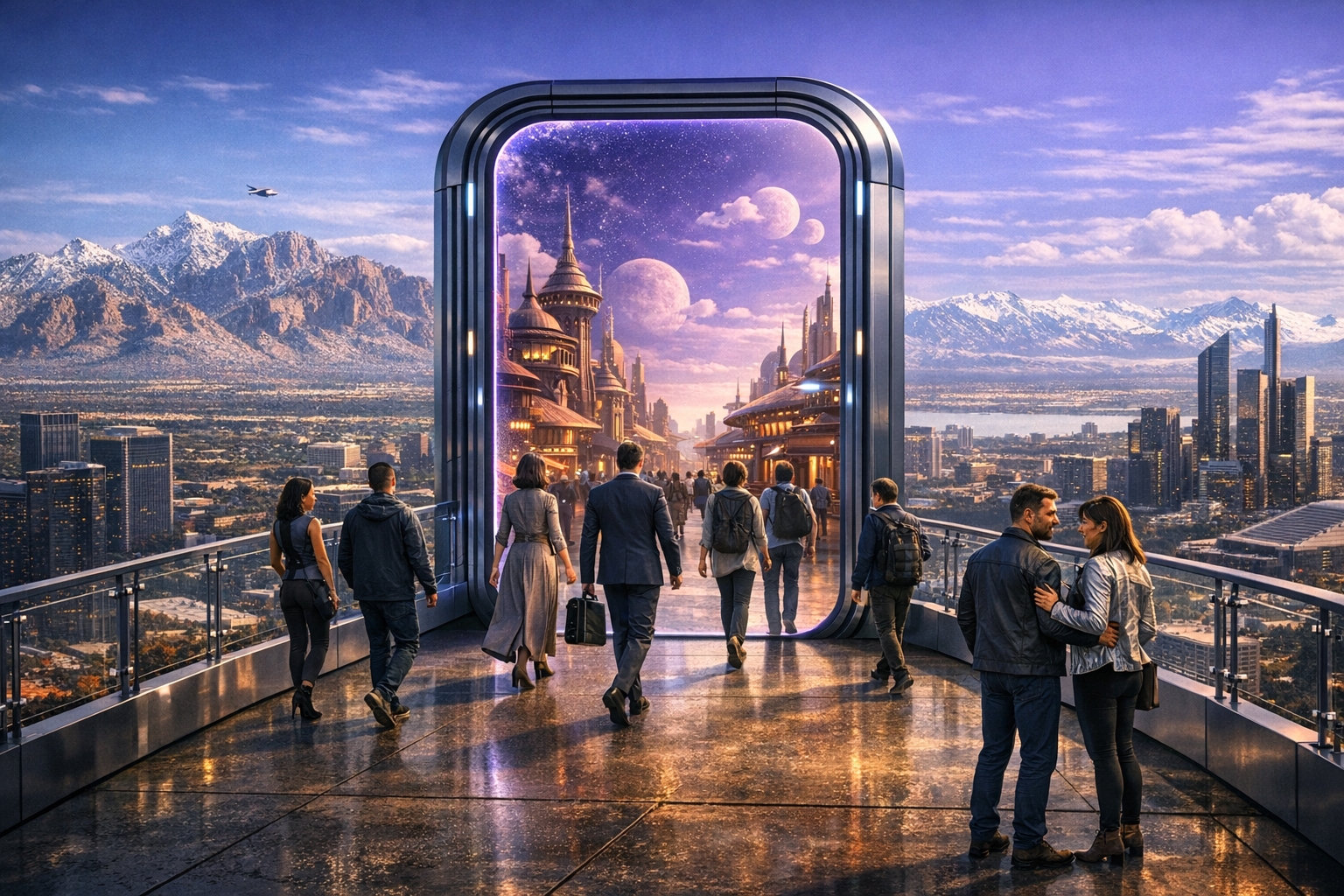
The novel's interstellar travel depends on "Ramos Tunnels," stable wormholes created using
"principles discovered at CERN". Characters step through a doorway in Phoenix and emerge on another
planet.
In 2022, researchers at Caltech and Google's quantum AI lab simulated a traversable wormhole on a
quantum computer. It wasn't a physical wormhole—it was a mathematical model that behaved like one.
But the physics I handwaved in 2013 is now being tested with actual equations and actual hardware.
That's more than anyone other than the creators of Stargate could have expected.
The Self-Inflating Tent

This one's personal. I'm a camping enthusiast, and in the novel I gave my characters a tent that
fits in a pocket and self-inflates in twenty seconds. Pop-up tents exist now, but nothing that
compact. This prediction is still ahead of its time, and frankly, I'm a little annoyed that
nobody's built it yet. I'd buy one.
The Scorecard
Of the roughly twenty technologies I invented or extrapolated for In The Abode of Angels:
- Thirteen exist today in some form
- Four are in active development
- Three remain
purely fictional (including creating food from quantum foam, which I'm willing to wait on)
That's a hit rate of about 65%—not bad for a novelist who was just trying to build a plausible
world for his characters to get into trouble in.
What It Means to Turn 75
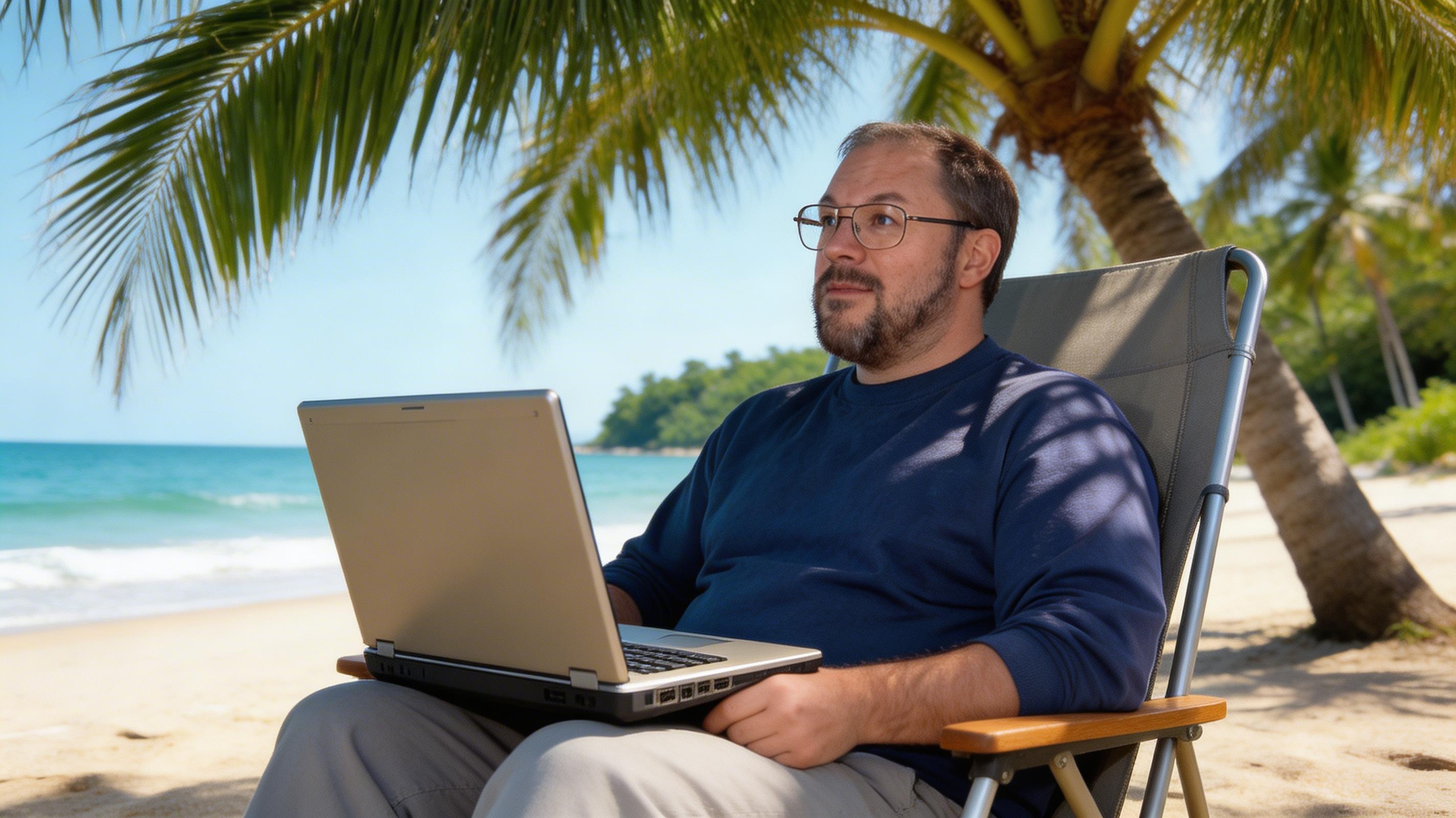
I didn't write In The Abode of Angels to be a prophet.
I wrote it, first because I had a revelation about Death that I wanted to
convey. Well, not death exactly. The Fear of death, to be precise.
I saw where that fear was used in the gathering of Power. What if that
fear were groundless? What kind of world would result if yes, death existed,
but no one cared?
Because I am most comfortable in the worlds of science and/or fiction,
it was natural that the Place would be the world of M'nar, orbiting
relatively nearby Beta Centauri (about 4.25 light years away).
The story would take place in the near future, after climate change has triggered
a new ice age on Earth, and where people casually go to work on other planets through
a "Ramos Gate", a type of ultra-stable wormhole.
Anyway, because the story takes place in the future, I had to come up with future
tech to sell the idea. And because I saw where
technology was heading I wanted to explore what it would mean for ordinary people trying to live
their lives. The fact that so many of these ideas have materialized doesn't make me a visionary. It
just makes me someone who was paying attention.
At 75, I find myself in an interesting position. The excitement I feel about AI today—the sheer,
uncontainable thrill of watching ideas leap from conversation to code in minutes—is the same
feeling I had in the early 1980s when I first realized you didn't have to be "good at math" to be
good with computers. That revelation sent me back to college. This one sent me into a partnership
with an AI that can build apps while I describe them over Diet Shasta.
If The Abode of Angels proved anything, it's that the future isn't something that happens
to you. It's something you imagine first, then watch arrive—and if you're lucky, something you get
to help build. I've been lucky.
Happy birthday to me!
Now, if you'll excuse me, I have family, a party, and yes, cake to get to!