|
By: Paul S Cilwa |
Posted: 10/11/2007 |
|
Page Views: 33 |
| Hashtags: #Photography #Science #History #Astronomy |
| A handy guide for those who prefer to name their months after Native American traditions rather than those of the Vikings. |
| Estimated reading time: 6 minute(s) (1261 words) |
Shine on, shine on harvest moon
Up in the sky
I ain't had no
lovin' since
January, February, June or July.
Pretty much everyone has heard that song. But what the heck
is a "harvest moon"? And what, if anything, would it have to do with a lack of
"lovin'"?
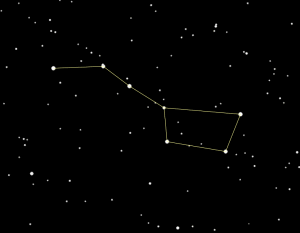
The Big Dipper seems to make one full rotation per year, when viewed at the same time of night.
You also know that the Moon takes a little more than 28 days to circle all
around the Earth. A lunar calendar would feature 13 months a year, but it
still wouldn't come out even. The proper time for spring planting has to be
judged by a solar calendar, not a lunar calendar, because Earth's seasons relate
to its position relative to the Sun, and have nothing to do with the Moon.
Still, not every historical culture relied on agriculture for its livelihood;
and such cultures tended to develop a lunar calendar by which they planned their
rituals. One such culture was that of the Hebrews, in whose calendar Passover is
located relative to the moon. (The Christian holy day of Easter comes three days
after Passover, and is thus also lunar-based.)
In these calendars, months—Moon-periods—had names; but since those cultures
were not yet infected with Big Religion the months were named for practical
reasons, rather than to honor some god or planet. There are many variations
depending on the culture, its time, and its geographic location, but here's a
typical list, mostly from Native American tribal traditions:
January: Wolf moon
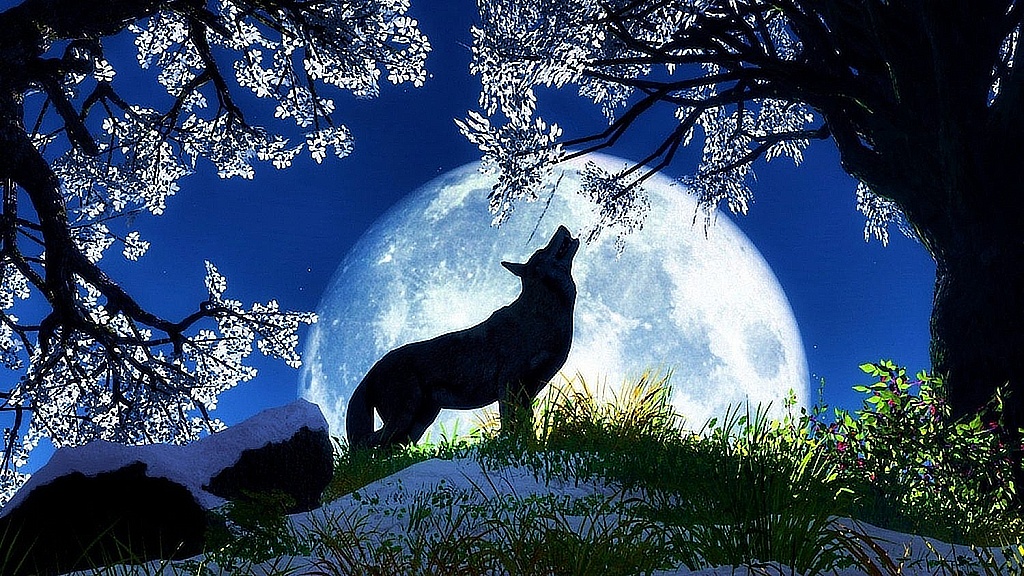
By January, the dead of winter had set in and packs of wolves would
prowl about trying to find some nice, tender human babies to eat.
The Wolf moon is a reminder that, not so long ago, this sort of
thing was more of a concern than which football team would win the
Rose Bowl.
February: Ice moon
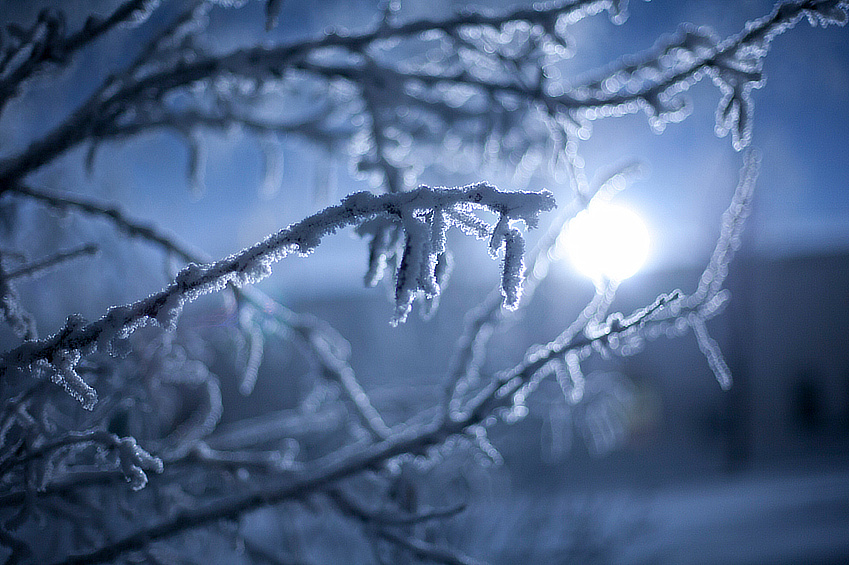
The very name of this lunar month speaks volumes as to the nature of tribal
life in the pre-Columbian Northeast.
March: Storm moon
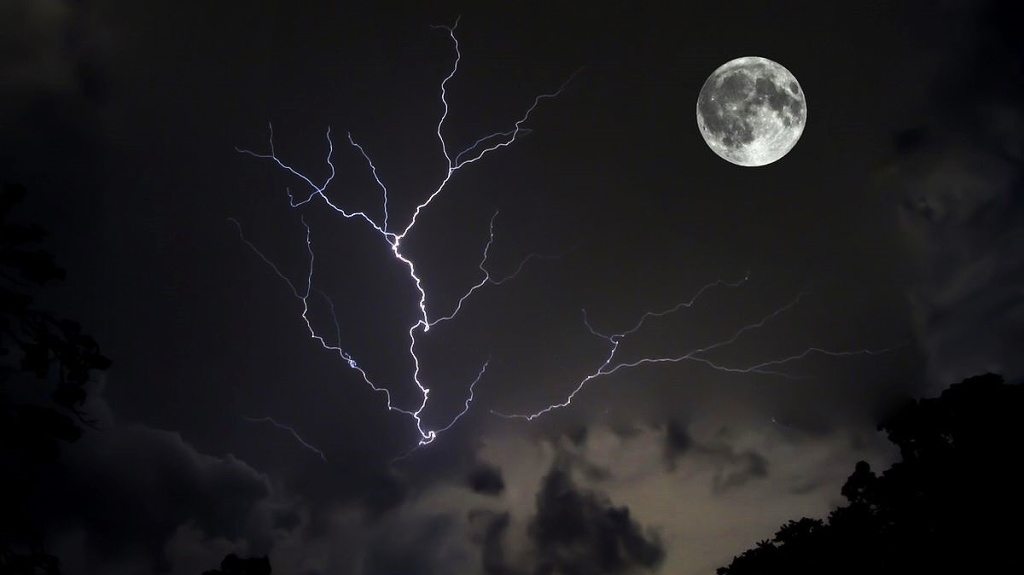
The thunderstorms of early spring—again, largely a Northeast phenomenon—give
name to this month.
April: Growing moon
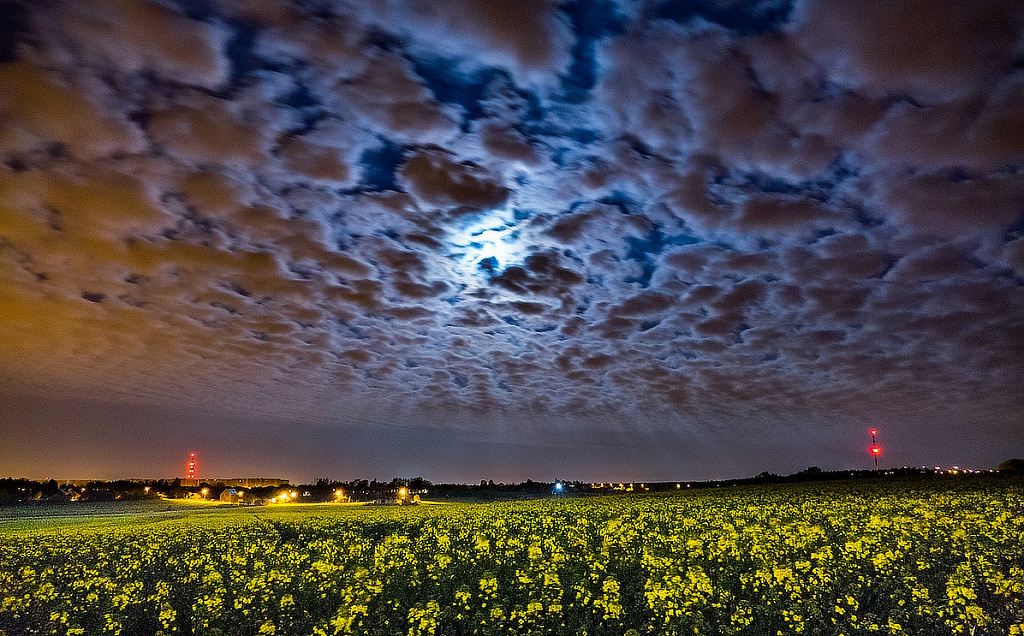
Although most Native American tribes didn't rely primarily on
agriculture, they most certainly did plant crops. The name of this month
reminded anyone that now would be a good time to do so.
May: Hare moon
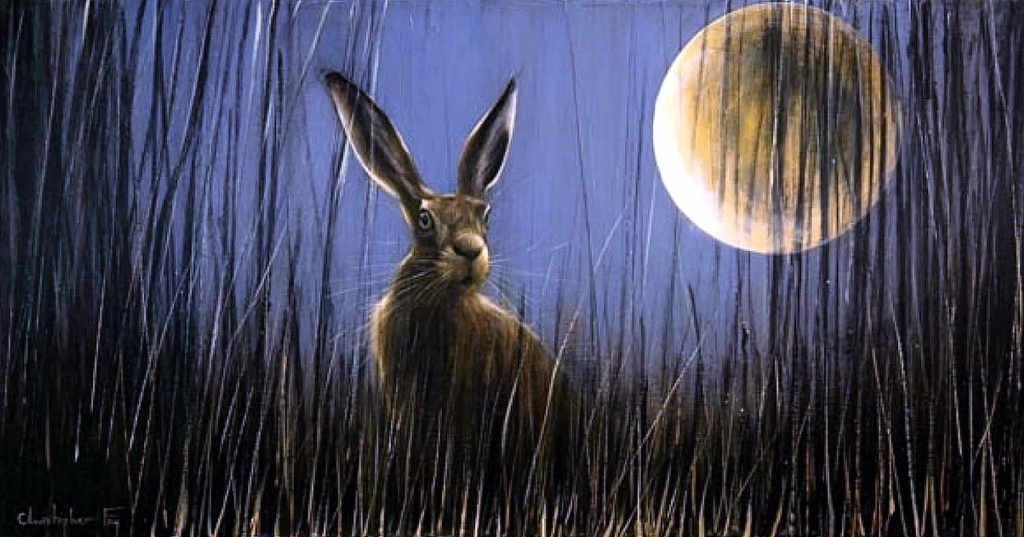
With the young plants growing from their planting 28 days earlier,
rabbits—once known as "hares"—would give birth to their prodigious litters just
in time to be able to feed them. This was also known to some tribes as the
Flower moon.
June: Strawberry moon
Also known as the Mead moon by those who make honey wine, this is the month
for enjoying Nature's bounty while waiting for the crops to ripen.
July: Hay moon
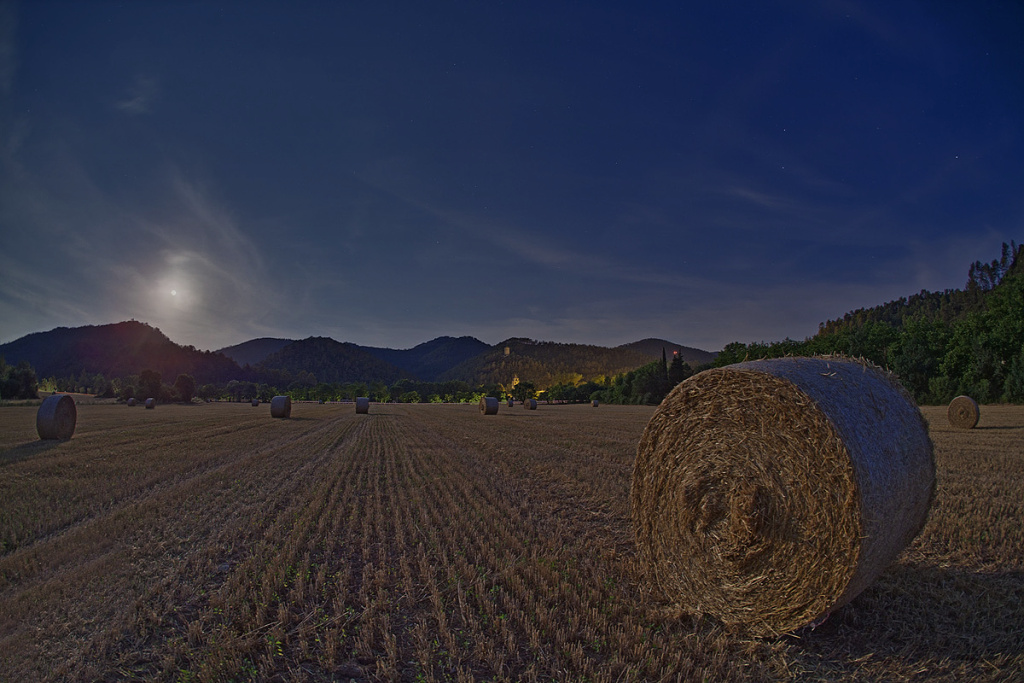
Once horses were introduced, hay became an essential staple for keeping the
animals alive through the winter. Especially in the Great Plains, which were
essentially seas of grass, this was the optimal time for harvesting that grass
and bundling it so that it would dry properly in the Summer's heat. (Grass will
rot if not dried properly.)
August: Corn moon
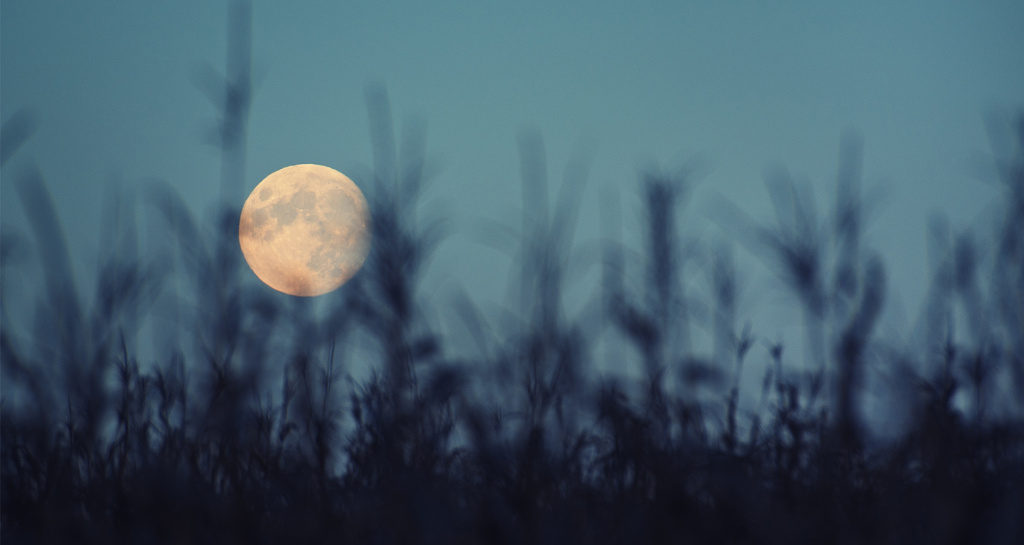
Crops, of course, do not all ripen simultaneously (fortunately for the
farmer!). Corn is ready for harvesting in August, when it's "high as an
elephant's eye."
September: Harvest moon
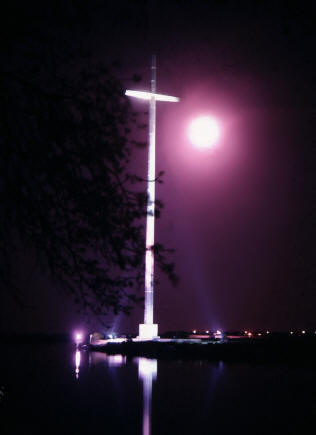
The full moon always rises at sunset, of course (opposite the setting sun, which is
illuminating it full-on). And on average, each night after the actual
full moon, it rises about 50 minutes later than the night before, leaving almost
an additional hour of darkness between sunset and moonrise. However, the day
after the Harvest moon, because of Earth's tilt this time of year, the moon
rises only 30 minutes later than the night before. That makes this an
ideal time to harvest crops, because work can continue after sunset for one or
two days, illuminated by the light of the full (or nearly full) moon.
The rising Harvest moon has the reputation of being yellower than other
moons. I suspect this originated in the days when fields were burned after
harvesting, to fertilize the field for the next year's crops. Smoke in the air
probably made the moon look more yellow to the folks in the adjacent fields.
Although the popular song quoted above probably hadn't thought it through,
the time after harvest does, indeed, afford an opportunity for a little R&R,
which might well include a chance for some long-delayed "lovin'".
2007's Harvest moon rose September 26.
October: Hunter's moon
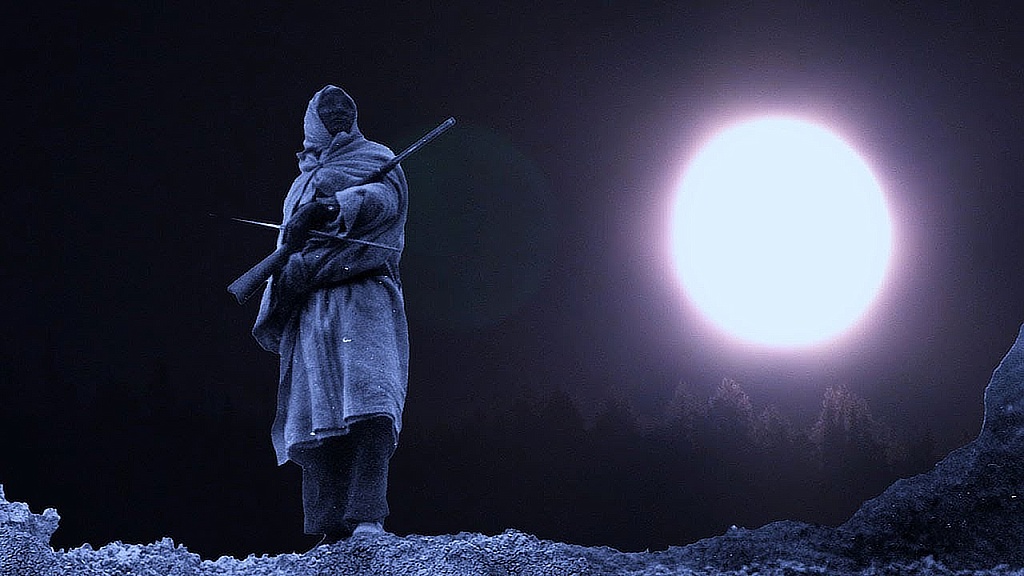
For the same reason as the Harvest moon, the time of the Hunter's moon gives
two or three nights of near-continuous light since the Moon rises when, or
shortly after, the Sun sets. Since animals are also active at this time, making
a last-ditch effort to feed themselves before winter sets in, it's a good time
for the hunters to catch as much meat as they can. 2007's Hunter's moon will
rise October 26.
November: Snow moon
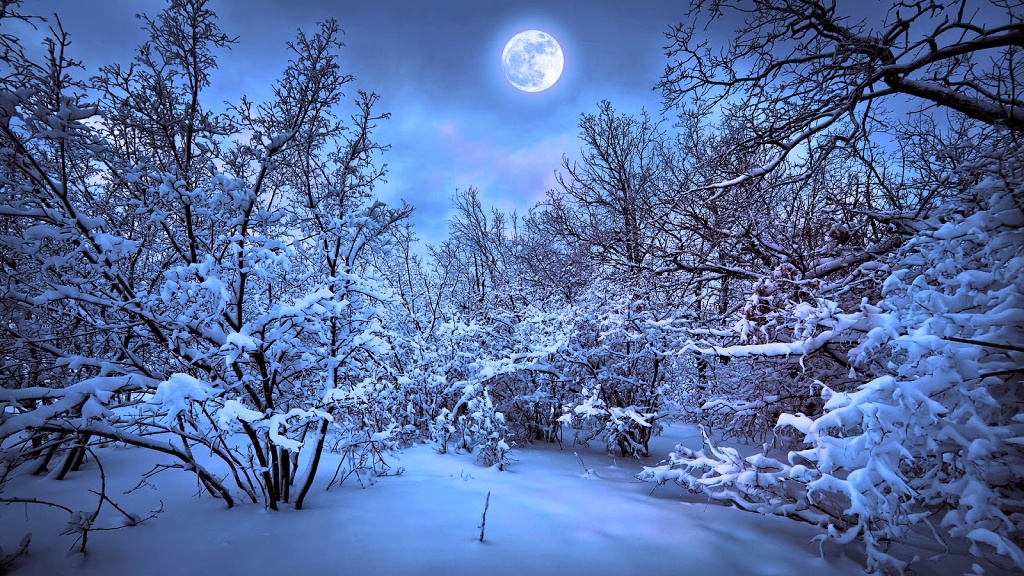
This marks the month of the first snows in most locations.
December: Cold moon
By now Winter has set in. No one is complaining of a lack of lovin' now; it's the only way to keep warm.
Once In A Blue Moon
We have listed twelve moons above…but there are 13 lunar months in a
year. What happened to the extra month?
Well, it's generally called the Blue moon. It can happen any time during the
year. In tribal societies, it would happen whenever the shaman decided the
months had gotten out of sync with the sun—if the hares hadn't shown up in May,
or the snows hadn't come by November. Then a Blue moon would be declared, and
the following full moon would find things right again.
Modern cultures can't handle things so casually. The
Farmers' Almanac,
a venerable old annual periodical that was once de rigueur in homes
across America, termed the third moon in a quarter (four months) of the year a
"Blue moon". However, the March 1946 issue of
Sky & Telescope
magazine accidentally confused the issue by mistakenly reporting that a
Blue moon was the second full moon in a single Calendar month. It was nearly
sixty years before Sky & Telescope printed a retraction, by which time
the mistaken definition had almost superseded the original. The S&T
definition is now called a "Calendar Blue Moon" while the original FA
definition remains as is.
By the way, the next real Blue moon will occur May, 2008. (A "quarter"
is a season: January, February and March are the Winter quarter; April, May and
June comprise Spring; July, August and September make up Summer, and October,
November and December make up Fall. These are actually approximate, as the
seasons don't start on the first of the month.) That will push the Hare moon
into June.
It probably doesn't much matter, as long as you can get your lovin' more
often than once in a Blue moon, and don't have to do without through January,
February, June or July.