|
By: Paul S Cilwa |
Posted: 3/31/2026 |
|
Page Views: 225 |
| Hashtags: #Death #Afterlife #Spirituality #Reincarnation #Philosophy #Heaven #Theology |
| Exploring humanity's diverse beliefs about death and the afterlife: Christian Heaven, ancient Greek underworld, reincarnation, simulation theory, and the void. |
| Estimated reading time: 11 minute(s) (2421 words) |
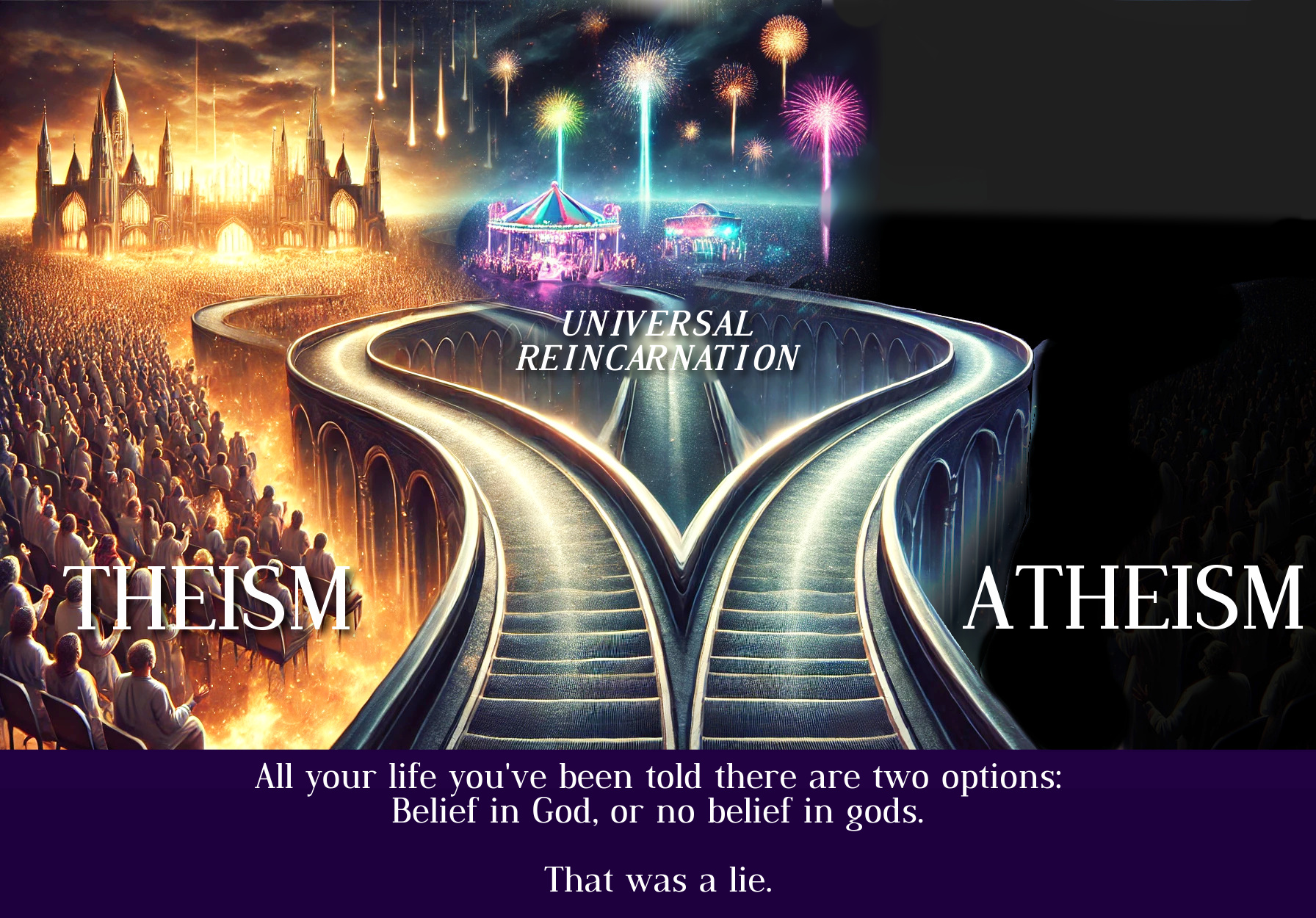
The Problem with Christian Heaven
The Christian Heaven has occupied the imagination of billions for two thousand years. It promises
eternal peace, reunion with loved ones, the presence of God, absence of pain, end of longing. It
sounds lovely. There's just one logical problem: omniscience.
God, as Christian theologians describe Him, is omniscient—knowing all things past, present, and
future. This is presented as a feature, a sign of His perfection. But an omniscient being cannot test
anyone, because the test results would be known in advance. Testing implies uncertainty about the
outcome. An omniscient God already knows whether I will go to Heaven or Hell. He knew when He made me.
He knew when He made the universe.
So what appears to be a test—the Christian narrative of free will and moral choice—is
actually entrapment. Not a nice attribute for a deity to have.
This paradox suggests to me that either the Christian God doesn't exist as described, or the theology
itself is flawed. Perhaps both.
The Greek Underworld
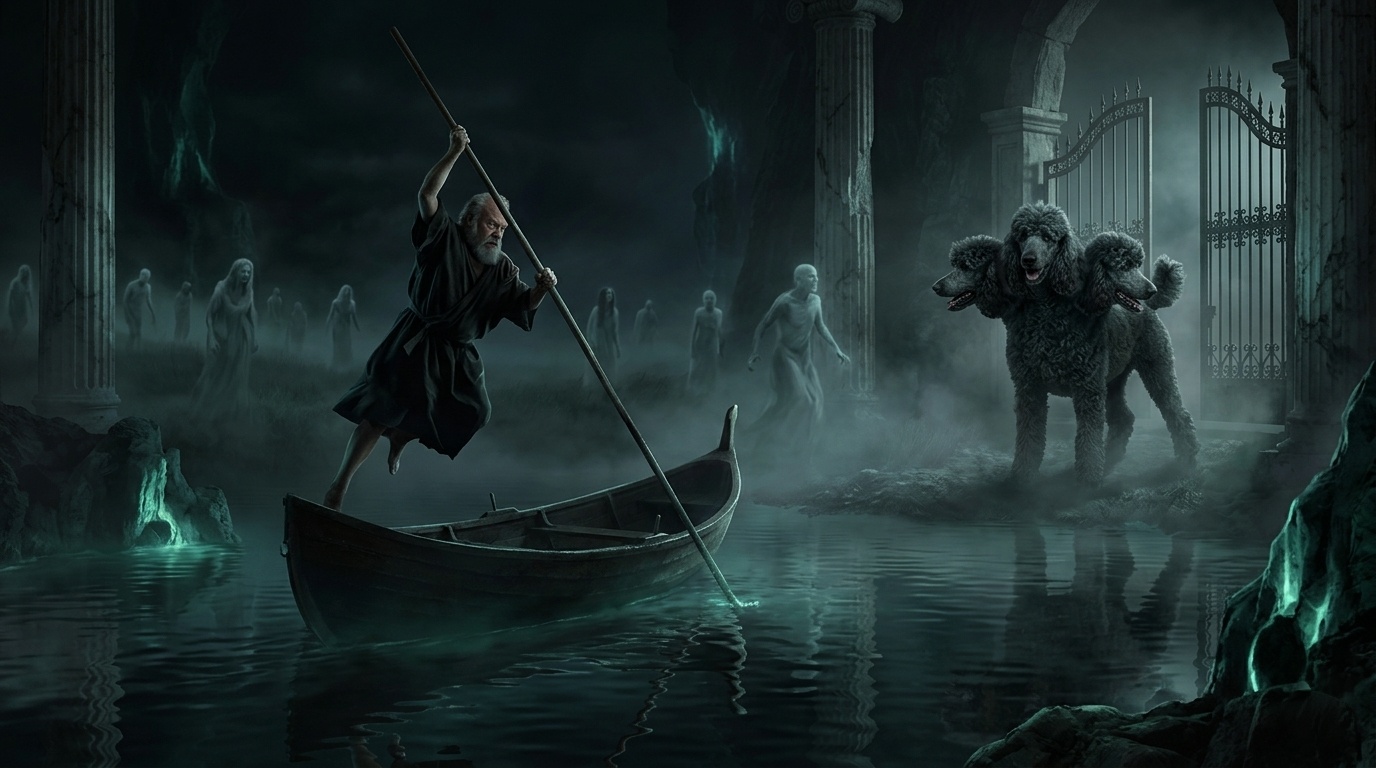
The ancient Greeks had a more pragmatic view. Death meant descending to the underworld—Hades,
ruled by Hades (the god, same name as the place). The dead would be ferried across the River Styx by
Charon, but only if they had the coin for the ferry fare. Poor souls who couldn't pay their burial fees
were doomed to wander the shores forever, unable to enter.
For most, the underworld was neither reward nor punishment. It was simply the place where shades
(spirits) existed in a gray, shadowy realm, doing shadowy things. The dead were neither tortured nor
blissful. They simply were.
The fortunate few—heroes, the righteous—might be admitted to Elysium, a place of beauty
and peaceful existence. The wicked might find themselves in Tartarus, a place of punishment. But for the
ordinary human, the underworld was simply the next neighborhood over, like moving to a duller, grayer
suburb. You kept living (if "living" is the word for a ghost's existence), just somewhere else.
Interestingly, the Greeks didn't seem anxious about this. The underworld was inevitable, not terrifying.
It was where you went, and you accepted it. That seems healthier to me, and less blasphemous, than the Christian notion of
judging and sorting the dead into eternal bliss or eternal torment.
The Jewish Perspective
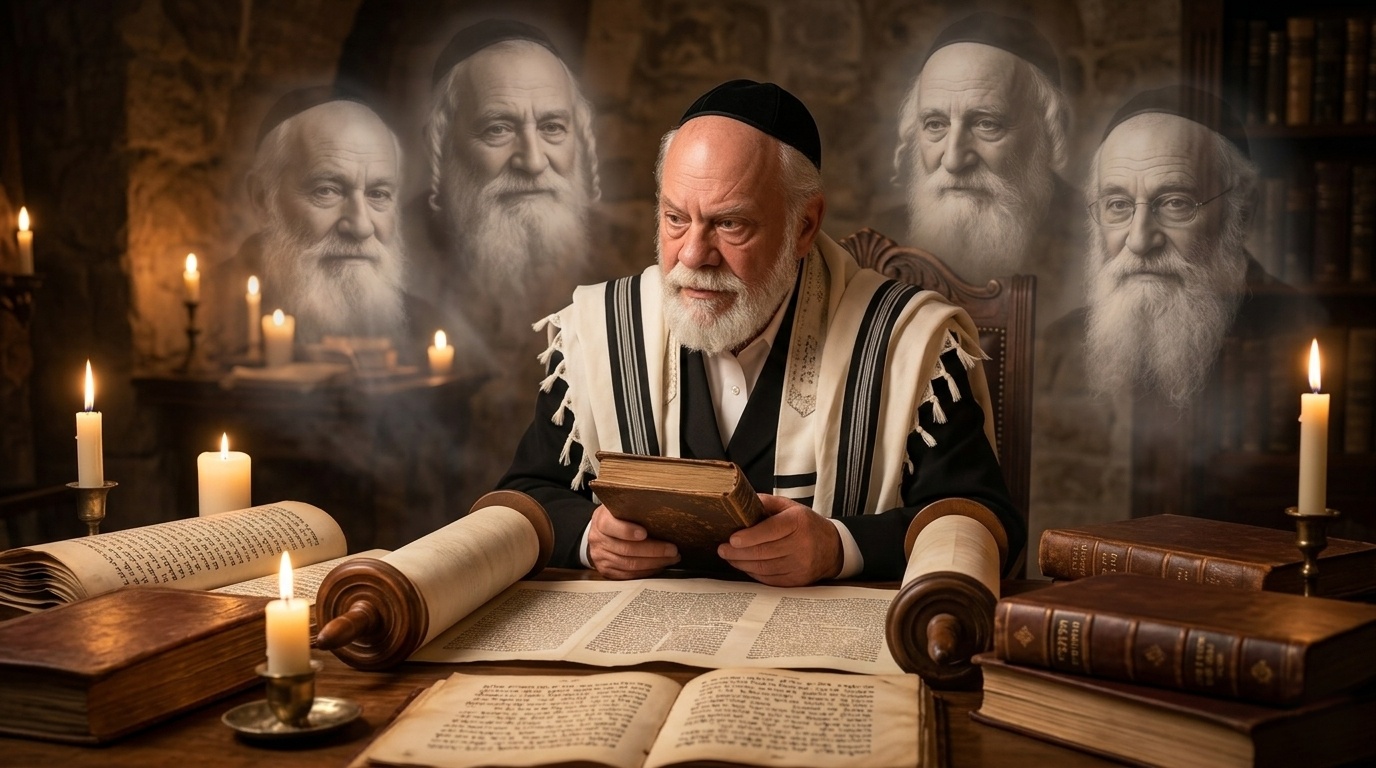
Not knowing I was a quarter Jewish until DNA testing became popular,
I nevertheless grew up aware of Judaism's very different afterlife concept. Judaism has never been as
obsessed with the mechanics of the next world as Christianity. The Hebrew Bible barely mentions an afterlife
at all. What matters is this world, this life, right action and justice here and now.
That said, Jewish traditions evolved. Sheol—the underworld—was originally just the grave, the
place where everyone goes, neither reward nor punishment. But later Jewish thought developed the concept of
Olam Ha-Ba, the World to Come, a sort of paradise for the righteous. And Gehenna—sometimes translated
as Hell—is less a place of eternal torment than a purification, a refining fire where souls are cleansed.
Even sinners, Jewish teaching says, spend no more than twelve months in Gehenna. Then they move on.
What I love about this view is its emphasis on justice and repair in this world, not the next. The
focus is on Tikkun Olam—repairing the world, healing it. Your actions matter because they matter here,
now, to real people. Whether there's an afterlife becomes almost secondary.
And there's something beautifully humble about the Jewish refusal to be too specific about heaven or hell.
We don't know, so we don't pretend to know. We focus on being good, on remembrance, on keeping the dead alive
through memory and good deeds done in their honor.
The Native American Vision
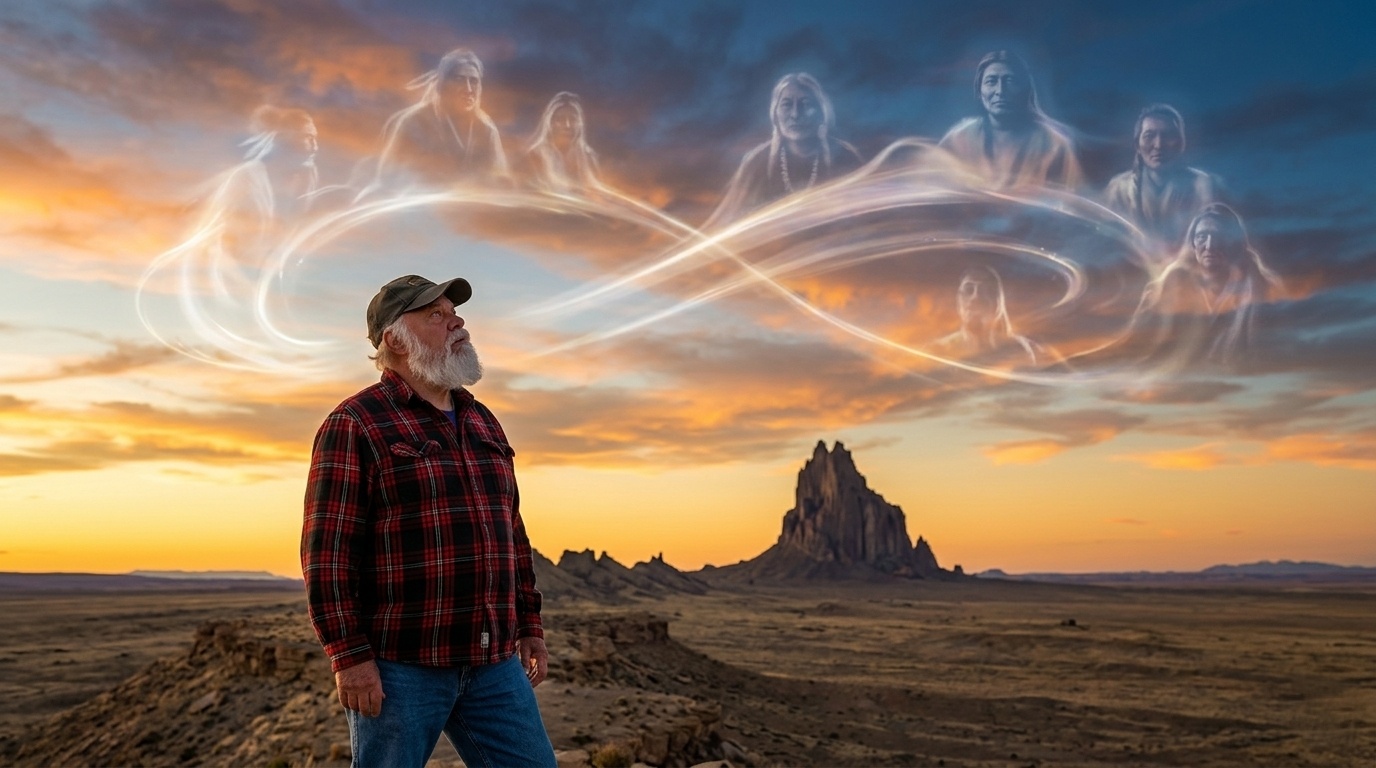
Through one of my many ex-husbands, who is Navajo, I learned yet another view. Native American beliefs about
the afterlife vary widely by tribe, but there are common threads: a deep connection between the living and
the dead, respect for ancestors, and a sense that death is part of a natural cycle rather than an ending.
The Navajo concept includes the idea of the spirit journey. Death is not the end of consciousness but a
transition. Ancestors remain present, watching over the living. There's also the practical acknowledgment
that the dead can be dangerous if not properly respected and mourned. Navajo tradition requires careful
handling of the deceased and their belongings, and speaking the names of the dead is avoided so as not to
call them back prematurely.
What struck me most about this perspective is the absence of judgment. There's no cosmic courtroom, no God
sorting sheep from goats. Instead, there's continuity. Life flows into death, which flows into ancestral
presence, which flows into the land itself. The dead become part of the earth, the water, the wind. They
don't leave; they change form.
This view honors both the living and the dead without requiring a belief in paradise or punishment. It's
practical, respectful, and deeply tied to place—to home. And in a way, it's more comforting than any
heaven I've heard described. To become part of the land you love, to watch over those you love, to be
remembered and honored? That's a kind of immortality that doesn't require belief in the supernatural. It's
just what happens when you matter to people.
The Hawaiian Way
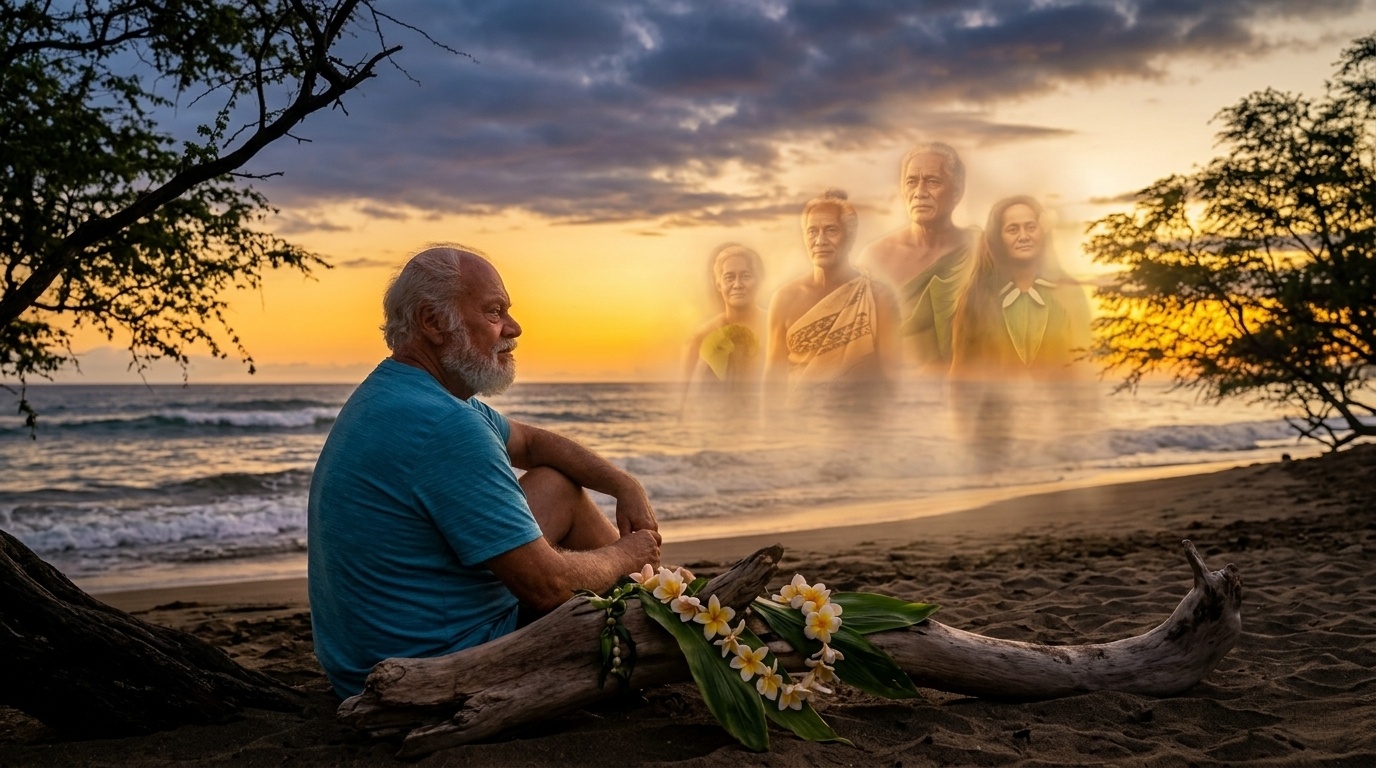
I spent the entire pandemic on Maui, and in that extended time I absorbed something of the Hawaiian
understanding of death and the afterlife. Like Native American traditions, Hawaiian beliefs honor the
connection between the living and the ancestors, but with their own distinct character shaped by island
culture and the particular mana of the place.
The Hawaiian concept centers on the uhane—the spirit or soul. When a person dies, the uhane doesn't
vanish; it transitions to Po, the spirit realm, the realm of night and ancestors. But the relationship
between the living and the dead remains active. Ancestors become aumakua—guardian spirits who watch
over their families. These aren't distant deities; they're personal, present, interested in the welfare
of those they loved.
What fascinated me about Hawaiian spirituality is the way it honors place. The islands themselves are alive
with mana—spiritual power and presence. Certain locations are sacred because of the ancestors buried
there, because of the history that happened there, because of the accumulated spiritual presence. Death
doesn't remove you from the islands; it binds you more deeply to them. Your bones return to the earth,
your spirit becomes part of the place.
There's also the concept of kaipu'u—taboos and protocols around death that reflect deep respect for
the transition. You don't casually speak ill of the dead or disturb their resting places. The dead are
present, listening, capable of blessing or cursing based on how they're treated. This isn't fear-based so
much as reciprocal: you honor them, they watch over you.
Sitting on those beaches at sunset, watching the light fade across the water toward the spirit realm, I felt
the presence of all those ancestors. Not in a spooky way, but in a way that felt natural and comforting.
The living and the dead, separated by the thinnest of veils, connected by love and place and the endless
cycle of the ocean.
Reincarnation: The Recycled Self
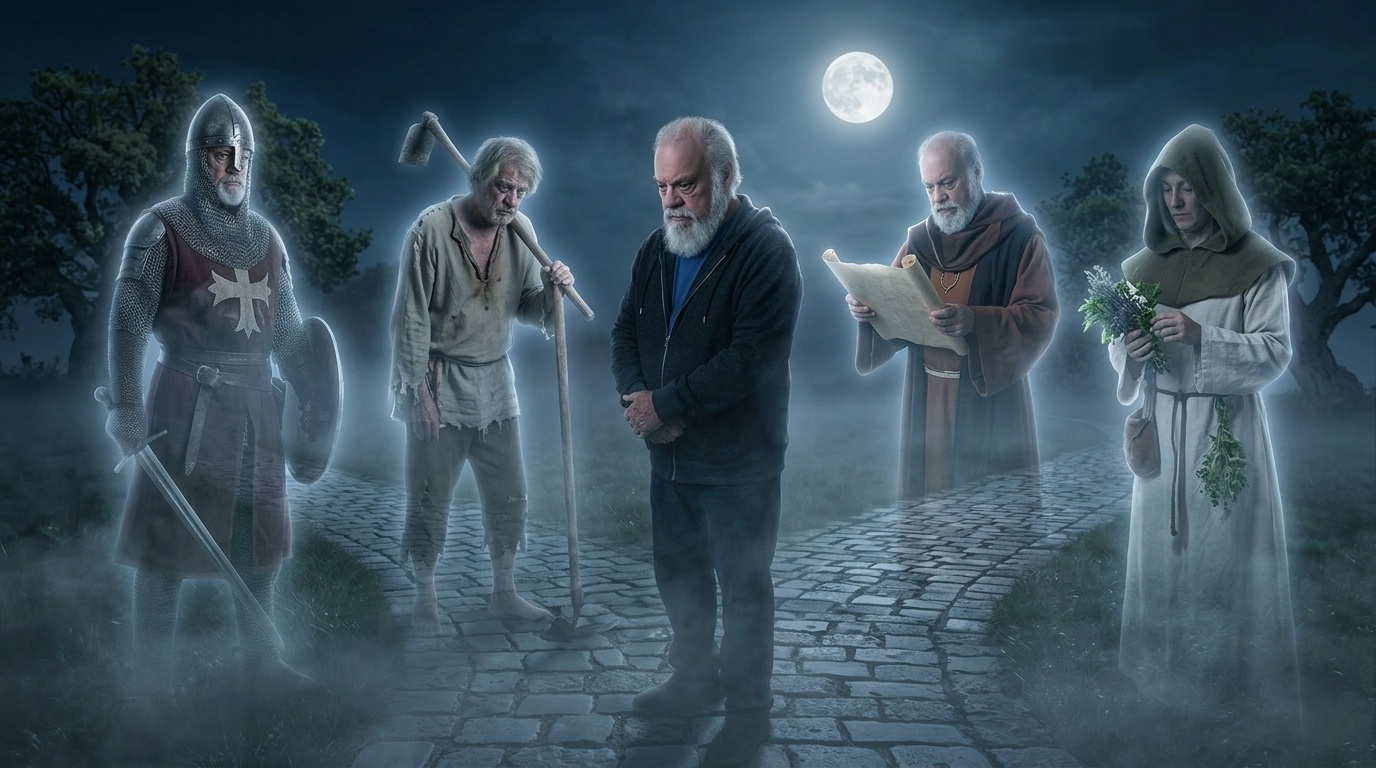
In Hinduism and Buddhism, death is not the end of the self. Instead, the soul (atman) is reborn into a
new body, over and over, climbing toward or descending from enlightenment depending on karma accumulated in
previous lives. Death is a rest between performances in an endless play.
What makes this belief fascinating is not theology but evidence—or at least, apparent evidence. In
the 1960s, psychiatrist Ian Stevenson at the University of Virginia began documenting cases of children
who claimed to remember past lives. His research was published in a landmark 1966 book:
Twenty Cases Suggestive of Reincarnation.
These weren't just vague feelings. Children gave specific details: names of dead people, names of
villages, causes of death. In one celebrated case, a boy in India insisted he had been buried gold
in a specific location. Investigators dug at the site and found old pottery fragments as well as the long-hidden gold. The boy's
descriptions matched what a man who died decades earlier would have known. His family in that life hadn't
known about the gold, yet there it was.
Stevenson documented over 2,500 such cases across cultures before his death in 2007. Not all of them are
equally convincing, but the aggregate weight of testimony is intriguing. Either something remarkable is
happening, or humans are remarkably creative at confabulating detailed narratives.
I'm convinced on reincarnation as fact. But I'm not dismissing it either.
After all, I actually have past-life memories, or what seem to be. What's more, I was able to validate them.
The universe may be weirder than we assume.
The Simulation Hypothesis
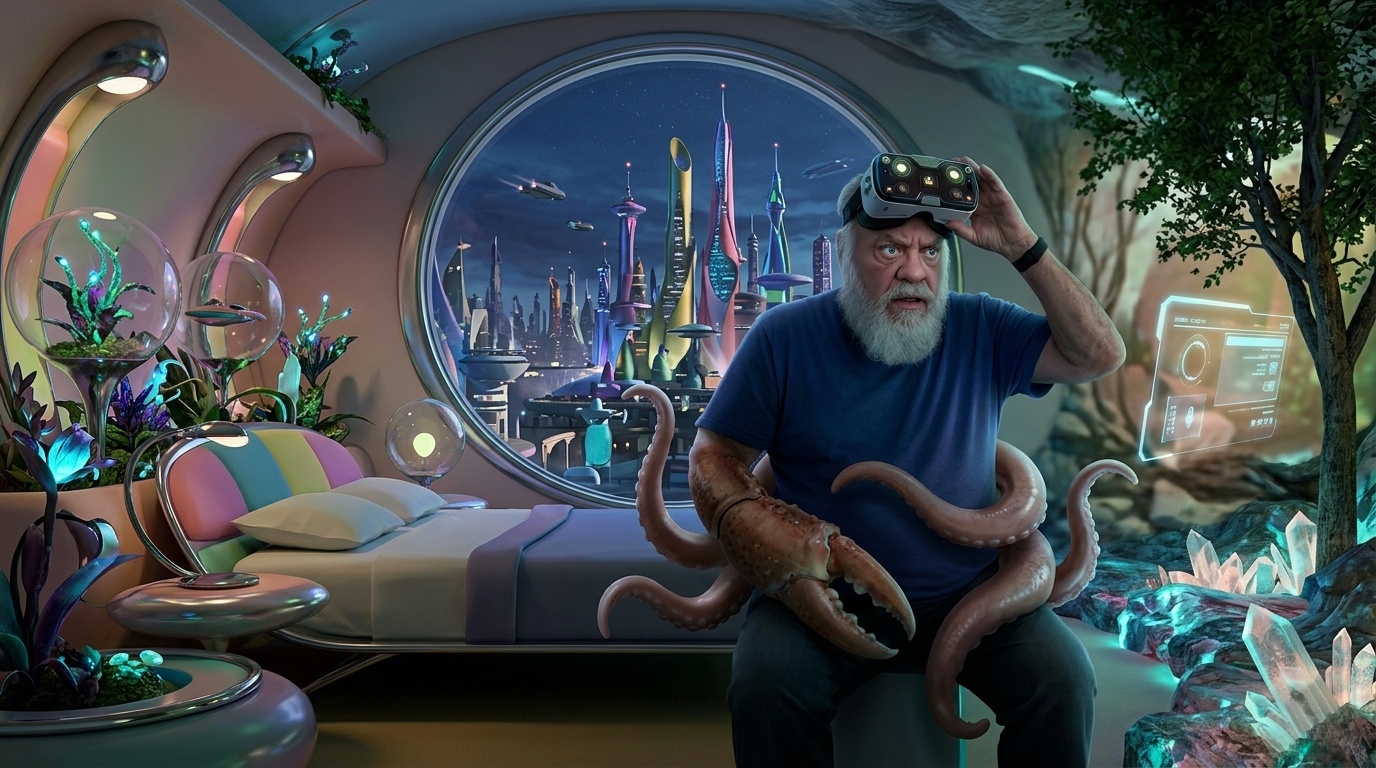
What if life is a simulation? What if all of this—trees, rocks, love, pain, the color blue—is
code running on processors in some vast computer facility in a reality we can't access?
In that scenario, death might mean taking off the headset and returning to whatever the base reality is.
The game ends, you log out, maybe you go have dinner with the other players.
This raises immediate questions. Who built the simulator? What are they like? Are they biological or
digital themselves? And—perhaps more importantly—aren't they also going to die eventually? If
death is universal, even in the outer reality, then where do they go?
Maybe they plug into another simulation. And those beings plug into another. An infinite Russian doll of
realities, all destined for eventual death and entropy.
Or maybe the rules of the outer reality are different. Maybe death doesn't exist there. Maybe time
doesn't, or pain, or boredom. We simply don't know the rules of the base reality. We can't; we're
locked inside this simulation.
One thing's for certain: if the base reality's inhabitants created this reality, including death
itself, it might be for a reason. Maybe death isn't a flaw in the simulation. Maybe it's a
feature—something that makes the game more interesting, more urgent, more meaningful. Without
death, what would struggle mean? What would love mean?
I'm not advocating this as truth. But it's no less unprovable than Heaven.
Light's Out
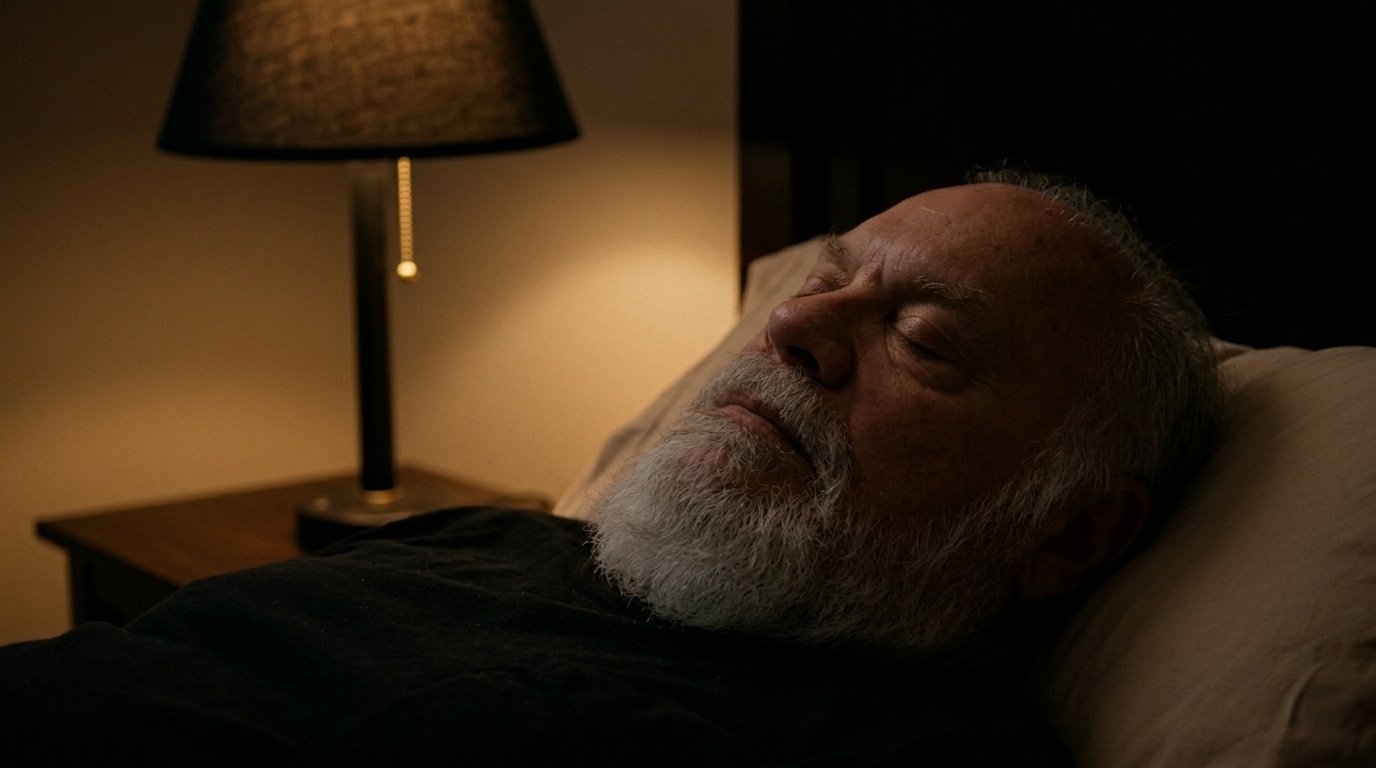
Then there's the hypothesis that nothing happens. When you die, the lights go out. Your
consciousness—that strange phenomenon of awareness that emerges from neurons firing—simply
ceases. No afterlife, no judgment, no next life. Just nothing.
From a materialist standpoint, this makes sense. Consciousness seems to be produced by the brain. Damage
the brain, and consciousness suffers. Destroy the brain, and consciousness ceases. Why would it persist
after the organ producing it is gone?
This is the least comforting hypothesis, and perhaps for that reason, the least believed. But from a
logical perspective, it may also be the simplest.
Besides, there's a strange peace in it, I think. If this is truly the end, then nothing I do after I die matters to
me. I won't suffer in Hell. I won't miss loved ones in Elysium. I won't be reborn into a worse
situation. I just…stop. Complete absence of experience is not painful. It's the absence of pain.
The Jor-El Option
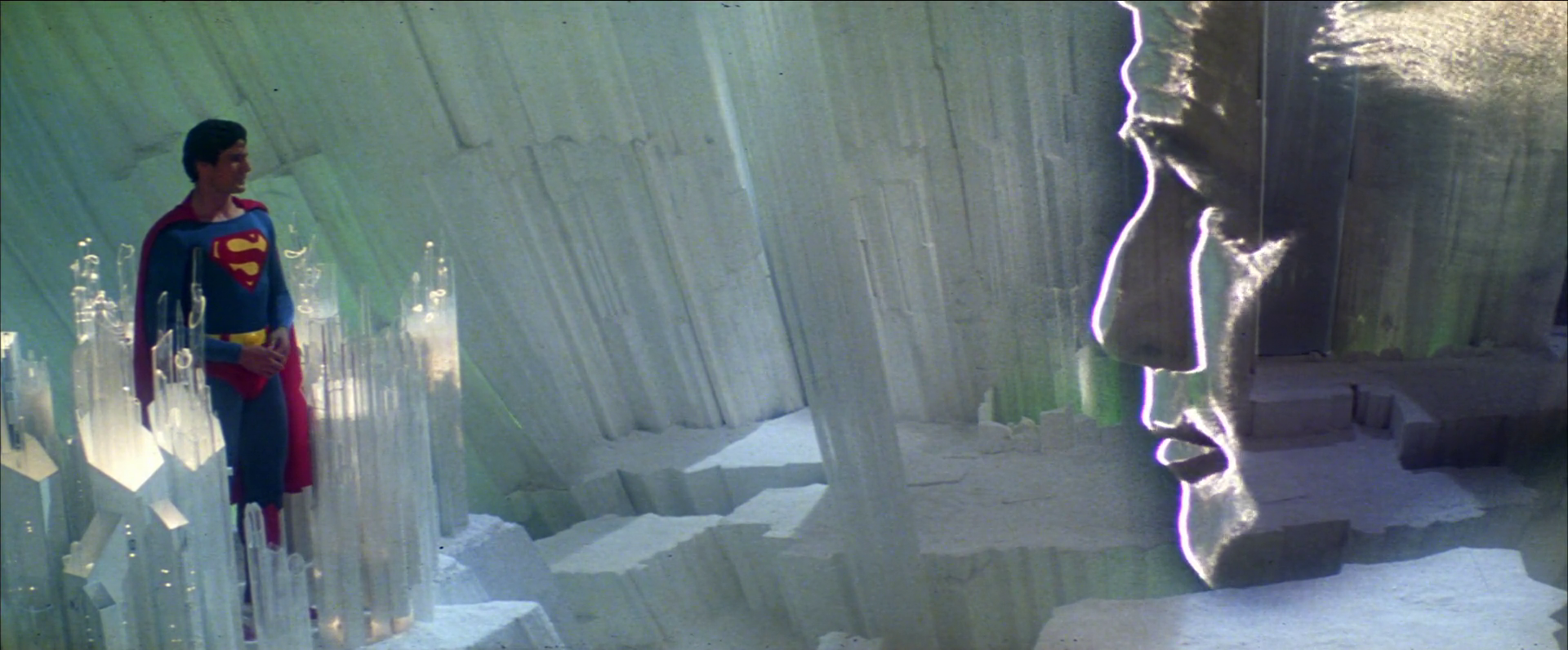
In Superman:
The Movie, there's a scene that stuck with me for decades. Jor-El, Superman's
father, is long dead—his planet destroyed. But his holographic image appears in the Fortress of
Solitude to counsel his son, to teach him, to offer wisdom and love from beyond the grave. In 1978 we
didn't have a word for what Jor-El was. Today we do: artificial intelligence.
And we're not waiting for Kryptonian technology. We're already there.
My grandson Zach has already cloned my voice and face using AI. He's made videos of me breakdancing and
running with wolves—things I assure you I have never done in this body. The results are
astonishing and hilarious. But underneath the fun is something profound: the technology to preserve a
person's likeness, voice, mannerisms, and conversational style already exists. AI chatbots with cloned
voices and faces have been successfully demonstrated. They can hold conversations. They can respond to
questions. They can, in a meaningful sense, be someone.
My eleven-year-old granddaughter will be able to have conversations with me long after I'm gone. She'll
be able to ask me questions, hear my voice, see my face, get my opinions (or a reasonable facsimile
thereof). And so will her children. And their children. My great-great-grandchildren, people I will
never meet in the flesh, will be able to sit down and talk to their oldest cloned ancestor whenever
they want.
I may not know about it. If the Light's Out hypothesis is correct, I won't be aware of any of it. But
my progeny will be able to know me—my stories, my humor, my opinions about God and
death and the meaning of life—until a nearby nova EMPs the shit out of Earth and sends us all
back to the Stone Age.
But until that happens? If that's not immortality, I don't know what is.
What Do I Believe?
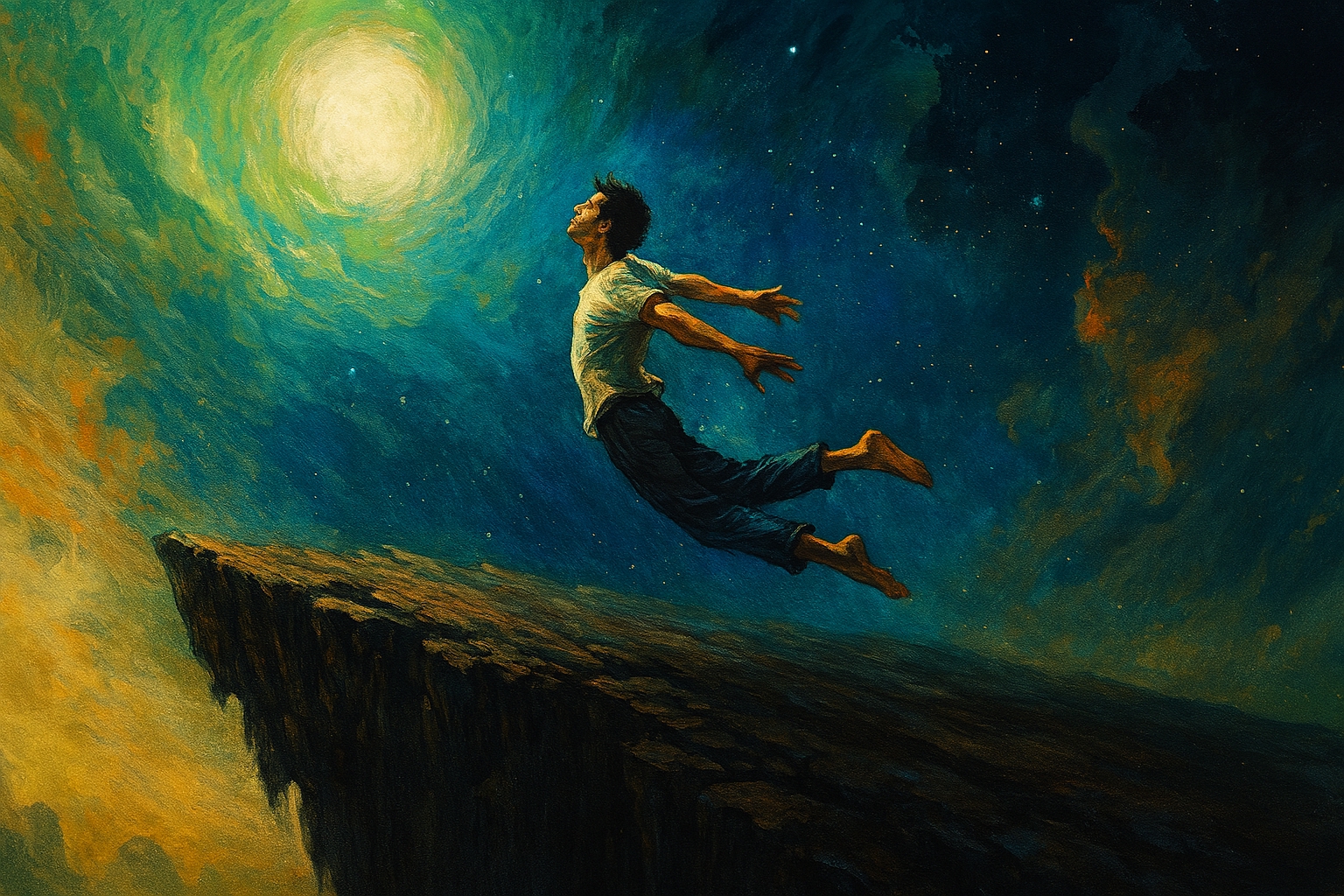
I call myself spiritual, not religious. I don't belong to a church, but I believe something is going on
that we don't fully understand. Consciousness is too strange, too inexplicable to be merely the fireworks
of neurons. The universe is too ordered, too finely tuned for existence to be random accident.
Do I believe in reincarnation? Pretty much. The Stevenson cases intrigue me. My own past life memories, and
those of people I know, are compelling
Do I believe in Heaven? Not the Christian version. It's too logically inconsistent.
Do I believe we live in a simulation? It's possible, no less plausible than many things theology asks us
to accept.
Do I believe death is the absolute end? I don't think so, but I won't panic if it is.
Either way, I'll rest easy.