|
By: Paul S Cilwa |
Posted: 4/18/2023 |
|
Page Views: 661 |
| Hashtags: #Matrix #SimulatedUniverse #Philosophy |
| Are we living in a Matrix? The surprising truth about our so-called reality. |
| Estimated reading time: 6 minute(s) (1195 words) |
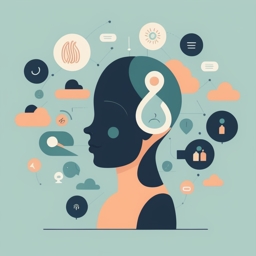
We do not directly experience the universe because our perception of reality
is mediated by our senses and our brain. Our senses can only detect a limited
range of stimuli, and even then, the information they gather is processed by
our brains before we become consciously aware of it. This processing can
include filtering out certain information or filling in gaps in our perception
based on prior experience and expectation.
For example, we perceive color based on the wavelength of light that enters our eyes,
but our eyes can only detect a narrow range of the electromagnetic spectrum.
Similarly, we perceive sound based on changes in air pressure, but our ears can
only detect sound within a limited frequency range.
Furthermore, our brains interpret the information from our senses in complex ways
that can differ from person to person based on individual experience, knowledge,
and expectation. Our brains use past experience to make assumptions about what
we perceive, which can sometimes result in errors of perception or interpretation.
In addition, even when we touch something, we are not actually touching it in the way
we think. The atoms in our fingers repel the atoms in the object we are touching,
creating the sensation of touch, but we never actually make contact with the object.
So, even the sense of touch is a mediated experience.
Putting it more bluntly, your experience of reality is, in actuality, all in your
head.
So…what if your head has been misinformed all this time? What if the experiences
we have…are actually programmed into our perception, rather than being the
result of random energies swirling around and being perceived by us?
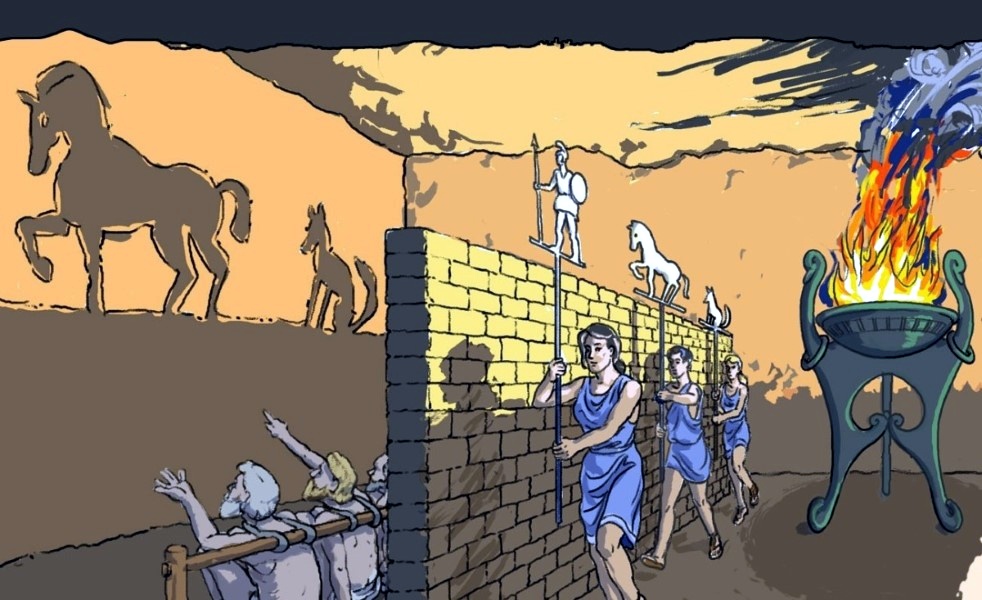
The simulation theory has also been explored in various forms of literature and
science fiction. For example, in the 1726 satirical novel Gulliver's Travels
by Jonathan Swift, the protagonist visits a society of philosophers who have
been attempting to extract sunbeams from cucumbers. This society can be seen
as a metaphor for the pursuit of knowledge and the limitations of human understanding.

In modern times, the simulation theory has been explored in a number of science
fiction works, including the 1964 novel Simulacron-3 by Daniel F. Galouye,
which depicts a simulated reality created for the purposes of market research;
and the 1992 movie The Lawnmower Man, which explores the idea of using
virtual reality to enhance human intelligence.
However, it was the 1999 movie The Matrix that brought the concept of the
simulation theory into the mainstream consciousness. The movie's premise,
that humans are living in a simulated reality created by machines, has become
a popular reference point for discussions about the nature of reality and the
possibility that we, in fact, are living in a simulation right now.
The simulation concept is the idea that our reality is not "real," but rather
a computer-generated simulation created by a highly advanced civilization.
According to this theory, the physical world that we experience is an artificial
construct, and everything we perceive is merely a simulation of reality.
The simulation concept is based on the idea that we experience nothing of reality
directly. Instead, everything we perceive is relayed to us via nerves in the
brain. Our entire experience of reality is based on interpretations of electrical
signals in our brains. Even our sense of touch is simply the result of atoms
coming near each other but never actually touching.
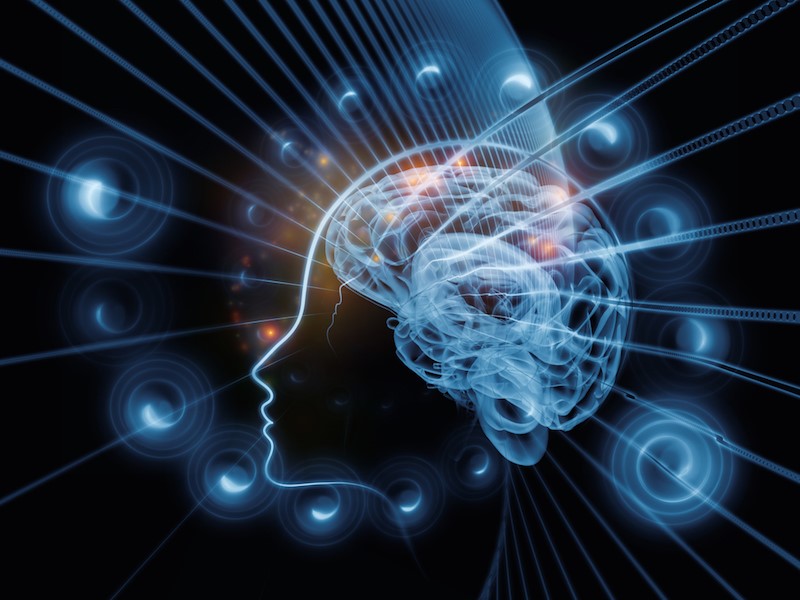
Moreover, modern technology has made it possible to create extremely realistic
simulations. Virtual reality experiences, for example, can be so immersive that
participants are unable to distinguish them from real life. And with the rapid
advancement of artificial intelligence and computer power, it's not difficult
to imagine a civilization capable of creating a simulation that is
indistinguishable from reality.
And, actually, with the amazingly recent arrival of AI (artificial intelligence),
the question isn't has this been done? but, rather, how can we tell
if this has been done to us?
The simulation concept challenges our understanding of reality. It raises
many philosophical questions about the nature of existence, and what it
means to truly exist. If we are living in a simulation, what does it mean
for our future? Will we one day discover the truth, or will we continue to
live in blissful ignorance?
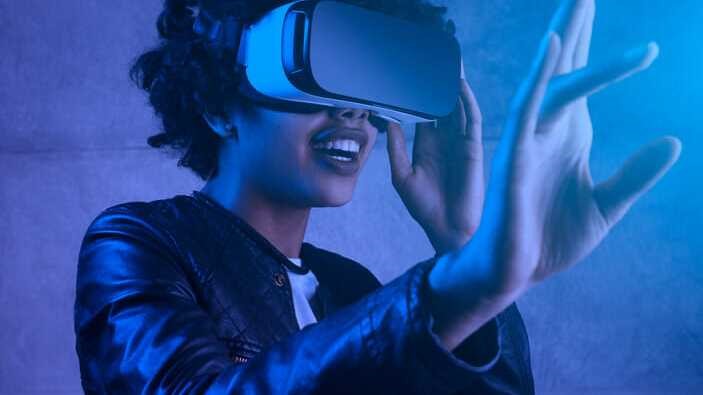
Modern technology has made it possible to create extremely realistic simulations.
For example, virtual reality experiences can be so immersive that participants
are unable to distinguish them from real life. And with the rapid advancement
of artificial intelligence and computer power, it's not difficult to imagine a
civilization capable of creating a simulation that is indistinguishable from reality.
However, it's important to note that the simulation theory doesn't require the
existence of machine overlords or human batteries, as depicted in The Matrix.
The simulation could be created by a highly advanced civilization for any number of
reasons, including entertainment, scientific research, or even as a means of
preserving their own civilization.
Furthermore, the concept of "real" bodies is not necessary for the
simulation theory to be true. In fact, it's entirely possible that our physical
bodies are themselves part of the simulation. After all, if our entire experience
of reality is based on electrical signals in our brains, then it's possible
that our bodies are simply part of the simulation as well.
The idea of living in a simulation raises fascinating questions about the nature
of reality and our place in it, but it is uncertain whether it would make any
practical difference in how we live our lives.
From a practical standpoint, whether we are living in a simulated reality or not,
we still experience life as we know it. Our feelings, experiences, and relationships
are all real to us, and they shape our lives in meaningful ways. Therefore, we may
choose to continue to live our lives as we have always done, regardless of whether
our reality is a simulation or not. (And, let's face it; this is the only practical
option, anyway.)
However, the simulation concept also raises philosophical and existential questions
that may impact how we approach our lives. For example, if we are living in a
simulation, then what is the purpose of our existence? Is it simply to play out
a predetermined set of actions within the simulation, or do we have agency and free will?
(Note this question is appropriately debated even if we are not living in
a simulation.)
The possibility of living in a simulation also challenges our assumptions about
the ultimate nature of reality and raises questions about what lies beyond the
simulation. If our reality is simulated, then what is the true reality, and what
implications does that have for our understanding of the universe and our place in it?